The 1960s File Feature
Is It True
Is It True and the Sound of Brenda Lee Reaching Across the Atlantic in 1964 A Teenage Titan at a Crossroads Picture the American pop landscape in the autumn …
01 The Story
"Is It True" and the Sound of Brenda Lee Reaching Across the Atlantic in 1964
A Teenage Titan at a Crossroads
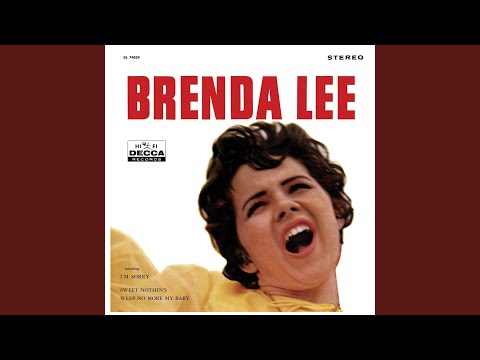
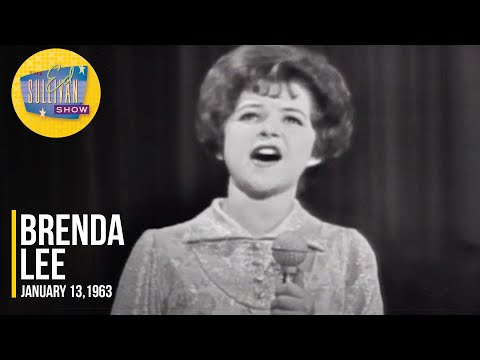
Picture the American pop landscape in the autumn of 1964. The Beatles had already crashed onto the shores of the United States earlier that year, radio dials were crackling with British accents, and the old order of homegrown teen idols suddenly felt the ground shifting beneath their feet. Into that swirling moment stepped a young woman who had already been a star for what felt like a lifetime. Brenda Lee was only nineteen when this record climbed the charts, yet she had been performing professionally since she was a child, and she carried the weight of a dozen hits behind her. She was not a newcomer riding a trend. She was a seasoned voice trying to make sense of a new decade that was rewriting the rules faster than anyone could follow. That tension, between an established American vocalist and a suddenly British-tinted marketplace, sits right at the heart of this particular single.
Little Miss Dynamite Meets the British Beat
By the time she cut this song, Brenda Lee had earned the nickname "Little Miss Dynamite," a tag that spoke to the enormous power packed into her small frame. Her voice could swing from tender ballad to raucous rockabilly stomp in the space of a breath, and audiences on both sides of the Atlantic adored her for it. What makes this record so fascinating is the way it leans into the very sound that was reshaping the airwaves. The arrangement carries a punchy, beat-driven energy that echoes the electricity coming out of Britain at that exact moment. It is the sound of an American star not merely surviving the British Invasion but actively engaging with it, absorbing its rhythms and firing them back with her own unmistakable phrasing. Brenda Lee was one of the very few American acts of that era who remained wildly popular in the United Kingdom, and this single feels like a conversation between two pop cultures.
Climbing the Hot 100 in the Shadow of a Revolution
The chart story here is one of steady, determined ascent. The single made its debut on the Billboard Hot 100 on October 17, 1964, entering at number 68, and from there it did not waste any time. Week after week it climbed with purpose, jumping to 45, then vaulting to 30, then pressing on to 23 and to 20. The record finally reached its peak position of number 17 on November 21, 1964, and it spent a total of nine weeks on the chart before its run wound down. In an ordinary year that would be a solid mid-tier showing. In the context of late 1964, with the top of the chart practically colonized by British acts, holding a spot inside the top twenty was a genuine achievement, proof that Lee's audience had not gone anywhere. The trajectory of those numbers tells you everything: a fast start, a confident middle, and a respectable summit reached exactly when the competition was fiercest.
A Voice Built for the Long Haul
What separated Brenda Lee from so many of her contemporaries was durability. Plenty of teen idols burned bright and vanished the moment tastes changed, but her instrument was simply too good, too flexible, and too emotionally honest to be swept aside. She had come up through the world of live radio and television, learning to command a room before she was old enough to drive, and that hard-won stagecraft shows in every phrase of her mid-sixties work. This single arrived during a stretch when many wondered whether the American pop veterans could weather the storm from overseas. Lee answered by adapting rather than retreating, and that instinct would keep her career alive for decades to come, eventually carrying her into country music where she found a whole second act of acclaim.
A Small Hit With a Long Shadow
In the grand catalogue of Brenda Lee triumphs, this record does not tower over the landscape the way her enduring seasonal anthem does, nor does it command the instant recognition of her biggest ballads. Yet its modest chart peak undersells its historical interest. This is a snapshot of a great American singer at the precise instant the industry pivoted, a document of adaptation and resilience captured on wax. Its healthy showing in the United Kingdom underlined a transatlantic loyalty that few of her peers could claim, and for collectors and devotees it remains a rewarding deep cut. Today it lives on quietly, gathering a modest but steady stream of listens online, a reminder that not every worthy song needs to reach number one to matter.
Press Play and Hear the Pivot
Give this one a spin and listen for the way Brenda Lee bends a new sound to her old strengths. You will hear a nineteen-year-old veteran refusing to be left behind, meeting a changing world head-on with nothing but nerve and that colossal voice. It rewards close attention, and it lingers longer than its chart peak would suggest.
"Is It True" — Brenda Lee's singular moment on the 1960s charts.
02 Song Meaning
What "Is It True" Really Says Beneath Its Driving Beat
The Ache of Uncertainty
At its core, this is a song about doubt, the kind that gnaws at you in the quiet hours when a relationship stops feeling certain. The lyric circles around a single anxious question, the one nobody wants to ask out loud because the answer might break your heart. Brenda Lee delivers it not as a wounded whimper but as a demand, insisting on the truth even when the truth might hurt. That emotional posture, standing tall and asking to be told straight, gives the song its backbone and separates it from the endless parade of passive heartbreak ballads that filled the airwaves in that era.
Strength Wrapped in Vulnerability
What makes the performance so compelling is the way it holds two feelings at once. The narrator is clearly frightened of losing love, yet she refuses to grovel for it. There is dignity in the delivery, a sense that this is someone who would rather know the painful reality than live inside a comfortable lie. Lee's phrasing, all that controlled power she was famous for, turns what could have been a simple lament into something closer to a confrontation. She is not begging. She is asking a fair question and expecting an honest reply, and that quiet self-respect is a big part of why the record still connects.
A Beat That Matches the Nerves
The propulsive, beat-forward arrangement does more than chase a passing trend. The restless rhythm mirrors the churning anxiety of the lyric, giving physical form to a heart that will not stop racing. Where a slower ballad might have let the listener wallow, the up-tempo pulse keeps the emotion taut and urgent, as though the singer cannot bear to sit still while her fate hangs in the balance. It is a smart marriage of sound and sentiment, the kind of production choice that makes an otherwise straightforward heartbreak song feel alive.
The Universal Question
The reason a song like this endures has nothing to do with its chart position and everything to do with its subject. Everyone who has ever loved someone has, at some point, felt the cold shadow of doubt creep in. The genius of the writing is its restraint, boiling a universe of insecurity down to one plain and devastating question. By refusing to over-explain, the lyric leaves room for every listener to pour their own fears into it, which is exactly why it travels so well across generations and borders.
Why It Still Resonates
More than half a century later, the emotional truth here has not aged a day. Relationships still wobble, trust still frays, and people still lie awake wondering whether the person beside them means what they say. Brenda Lee tapped into a feeling as old as love itself and gave it a voice that was both tough and tender. That balance, the demand for honesty delivered without a shred of self-pity, is the beating heart of the song and the reason it remains worth revisiting long after its brief chart run ended.
→ More from Brenda Lee
View all Brenda Lee hits →


→ More from the 1960s File
View all 1960s hits →




Keep digging