The 1960s File Feature
Break It To Me Gently
"Break It To Me Gently" — Brenda Lee's Emotional Masterwork Little Miss Dynamite at a Crossroads You have to understand what Brenda Lee represented in early …
01 The Story
"Break It To Me Gently" — Brenda Lee's Emotional Masterwork
Little Miss Dynamite at a Crossroads
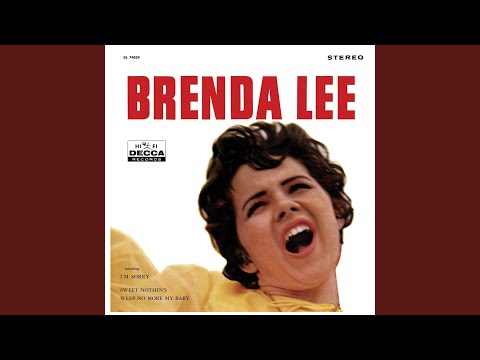
You have to understand what Brenda Lee represented in early 1962 to appreciate what she accomplished with this record. She was seventeen years old and had already placed more than a dozen singles on the pop and country charts. She had performed in Las Vegas, toured Europe, appeared on television specials, and earned a nickname, Little Miss Dynamite, that spoke to the outsized force she projected despite her small physical stature. Her 1960 recording of I'm Sorry had reached number one on the Hot 100, cementing her status as one of the most commercially powerful voices in American pop. By January 1962, she was not an emerging artist finding her footing. She was a proven superstar navigating a career that had already packed more achievement into its first years than most performers would accumulate in a decade.
The challenge for Lee at this point was not breaking through but sustaining the quality of her output as taste changed and the industry around her evolved. Rock and roll's initial explosion had begun to settle into a pop mainstream that prized polished vocal performances and sophisticated arrangements. Lee's natural instrument, that impossibly powerful and expressive voice, was exactly what this moment demanded.
The Song and Its Architecture
Break It To Me Gently was written by Diane Lampert and Joe Seneca, a songwriting team whose craft showed in every bar of the composition. The song is built around a plea: the narrator, sensing that a relationship is ending, asks only that the news be delivered with kindness rather than cruelty. The emotional sophistication of this premise set it apart from the more straightforward heartbreak songs that dominated early-1960s pop. This is not a song about the shock of abandonment; it is about the painful clarity of anticipated loss and the dignity with which one can face it.
Owen Bradley, Lee's longtime producer at Decca Records, understood how to frame that emotional content with arrangements that served the vocal without overwhelming it. Bradley was one of the principal architects of the Nashville Sound, the polished, string-enhanced production style that brought country music into the pop mainstream, and his work with Lee on this track exemplifies that approach at its most effective.
The Chart Story
The single entered the Billboard Hot 100 on January 13, 1962, debuting at a promising number 56. The ascent was swift and consistent: within three weeks it was inside the top 20, and by the week of March 3, 1962, it had reached its peak position of number 4 on the Hot 100. The song spent 13 weeks on the chart in total, a run that spoke to the sustained appetite for Lee's voice among radio listeners of the era.
Achieving a top-five position on the pop chart was not routine even for established artists in 1962. The competition was intense: Chubby Checker, the Four Seasons, Joey Dee and the Starliters, and Gene Chandler were all active presences in the top ten during this period. For a country-rooted ballad to penetrate that competitive environment required both exceptional material and a vocalist capable of transcending genre boundaries. Lee's performance delivered exactly that.
The Performance Itself
What makes this record endure beyond its chart statistics is the quality of Lee's vocal. She was still a teenager, but the maturity and control she brings to the performance would be remarkable at any age. The emotional range she covers in under three minutes, from resigned acceptance to the edge of heartbreak, is achieved without melodrama or excess. She trusts the song to do its work and trusts her voice to carry the weight without overplaying the vulnerability.
The production supports this restraint. Bradley's arrangement uses orchestral elements to build emotional context without crowding the vocalist, a balance that was his particular genius. The strings provide warmth; the rhythm section provides ground; and Lee's voice floats above both with the authority of someone who had been performing professionally since childhood and understood exactly how much was needed and how much was too much.
Legacy and Lasting Resonance
The song earned Brenda Lee a Grammy Award for Best Female Pop Vocal Performance in 1963, institutional recognition that her artistry had transcended the commercial achievement of the chart placement. That Grammy, along with the top-four Hot 100 peak, confirmed her place among the most accomplished vocalists of her generation, a designation that the passage of time has done nothing to diminish.
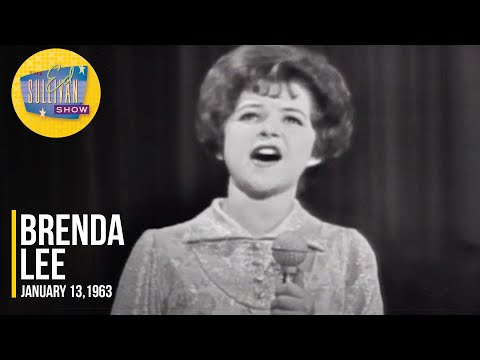
Listeners who come to Break It To Me Gently now will find a vocal performance that has not aged in any meaningful sense, because real emotional command never does. Press play and hear what it sounded like when a seventeen-year-old held all of American pop radio in the palm of her hand.
"Break It To Me Gently" — Brenda Lee's singular moment on the 1960s charts.
02 Song Meaning
"Break It To Me Gently" — The Grammar of Graceful Surrender
An Unusual Emotional Request
Most breakup songs position the narrator as a victim of sudden, cruel abandonment. Break It To Me Gently operates from a more unusual and psychologically precise vantage point: the narrator already knows what is coming. The relationship is ending, the signs are there, and rather than pretending otherwise, she simply asks for kindness in the delivery of the inevitable. This premise, of accepting loss while asking only for dignity in its execution, gives the song a maturity that distinguishes it from most of its contemporaries on the early-1960s pop chart.
The emotional specificity is part of what makes the lyric endure. It captures something that most people have experienced but few pop songs had articulated: the particular sadness of watching something end slowly, of knowing before you are told, of wanting the wound to be made cleanly rather than carelessly.
Dignity and Vulnerability in Tandem
What is striking about the song's emotional architecture is how it holds two seemingly contradictory states simultaneously. The narrator is deeply vulnerable, facing loss and the pain that will follow. But the act of making the request, of asking for gentle treatment, is itself an assertion of self-worth. The narrator refuses to be left without consideration, insisting through the song's central plea that her feelings deserve to be handled with care.
In 1962, the pop mainstream was full of songs that cast women in passive roles: waiting for the phone to ring, mourning a departed lover, hoping for reconciliation. Break It To Me Gently is more active than it appears. The narrator is the one framing the situation, setting the terms under which the ending will be received. That subtle reframing of agency within a heartbreak song was part of what gave it a distinctive emotional resonance with listeners.
The Voice as the Meaning
Brenda Lee's vocal performance does not merely deliver the song's meaning; it is inseparable from it. The control she exercises, the places she chooses to lean in and the places she pulls back, creates an emotional texture that the words alone cannot produce. Her voice carried a quality of lived experience that felt improbable from someone so young, and that quality is precisely what makes the song's plea feel genuine rather than performed.
Lee had grown up performing from an early age, working in country and rockabilly contexts that demanded emotional authenticity from very young singers. By the time she recorded this track, she had the instincts of a veteran. She knew how to let the melody carry the feeling without adding interpretive excess, a skill that served the song's emotional restraint perfectly.
Country Soul in the Pop Mainstream
The song also illuminates something important about the cultural position of country music in the early 1960s. The Nashville Sound, which producer Owen Bradley helped define, was a deliberate strategy to bring country music into pop's mainstream audience by smoothing its rougher edges with lush orchestration and sophisticated arrangements. Break It To Me Gently sits at that intersection: the emotional directness of the lyric has country roots, but the production and vocal framing were designed for pop radio consumption.
This crossover achievement mattered for the trajectory of country music. Every time a country-influenced track reached the top five of the pop chart, it expanded the audience for the genre and demonstrated that emotional storytelling in the country tradition could compete with anything produced in New York or Los Angeles. Lee's success with this song was part of a larger argument that Nashville was winning through the early 1960s.
→ More from Brenda Lee
View all Brenda Lee hits →


→ More from the 1960s File
View all 1960s hits →




Keep digging