The 1960s File Feature
Wild One
Wild One — Bobby Rydell: Recording, Release, and Chart History "Wild One" was one of the defining hits of Bobby Rydell's early career and a landmark of the P…
01 The Story
Wild One — Bobby Rydell: Recording, Release, and Chart History
"Wild One" was one of the defining hits of Bobby Rydell's early career and a landmark of the Philadelphia teen-idol pop that dominated the American charts in the years immediately following the emergence of rock and roll. Released in 1960 on Cameo Records, the Philadelphia independent label that was central to the city's pop music industry, the song reached number two on the Billboard Hot 100, making it one of the highest-charting records of Rydell's career and one of the most commercially successful singles to emerge from the Philadelphia pop scene in this period. The track kept Rydell at the forefront of the teen-idol phenomenon that was defining American popular music in the gap between Elvis Presley's army induction and the British Invasion.
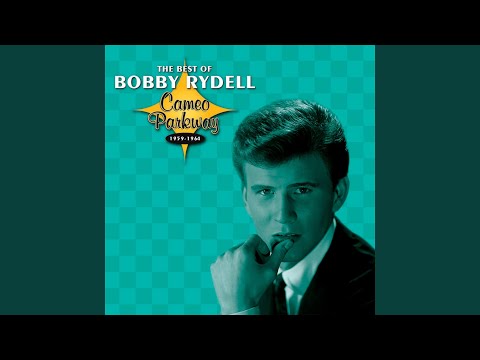
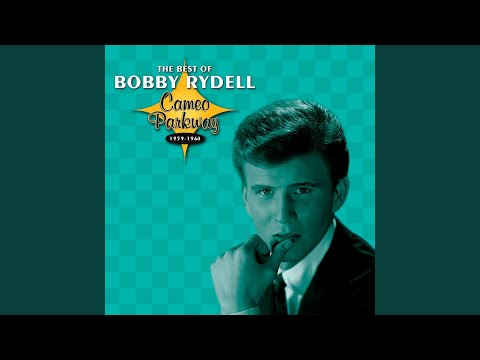
Bobby Rydell, born Robert Louis Ridarelli in Philadelphia in April 1942, had been performing professionally since childhood, influenced by Bobby Darin and Frank Sinatra, and had signed with Cameo Records, the Philadelphia label also home to Chubby Checker and Fabian. His first major hit, "Kissin' Time," had reached the top twenty in 1959, and "Wild One" consolidated his position as one of the most commercially successful acts in American pop. His South Philadelphia background gave him a natural connection to the network of disc jockeys, television programs, and independent labels that made Philadelphia the center of the American teen pop world in the late 1950s and early 1960s.
The context for "Wild One" was a specific moment in American pop history when the major music institutions of the period, from Dick Clark's American Bandstand (broadcast from Philadelphia) to the regional independent labels, were actively constructing the commercial infrastructure of teen pop. American Bandstand's broadcast from WFIL-TV in Philadelphia made it a national arbiter of teen taste, and the program's frequent featuring of Philadelphia-based acts gave Cameo Records and its roster a significant promotional advantage. Bobby Rydell was among the artists who benefited most from this geographic and institutional alignment.
The production of "Wild One" and the broader Cameo Records sound of this era was oriented toward accessibility, melodic clarity, and the kind of polished presentation that would photograph well on television and translate clearly on AM radio. The song featured the orchestrated pop production typical of the period, with strings, brass, and a rhythm section arranged to support Rydell's warm, expressive baritone. Kal Mann and Dave Appell, who were central to Cameo Records' songwriting and production operations, were instrumental in shaping the label's sound during its most commercially productive period.
"Wild One" spent multiple weeks in the upper reaches of the Hot 100, peaking at number two and remaining on the chart for a sustained run that reflected genuine audience enthusiasm rather than a brief spike of novelty interest. The song's success demonstrated Rydell's ability to transcend the pure teen-idol categorization that critics sometimes used dismissively, suggesting that his commercial appeal was rooted in genuine vocal talent and song quality rather than purely in his physical appearance or celebrity machinery.
Rydell's success in this period placed him alongside other Cameo and Parkway Records artists who were defining the sound of early-1960s American pop. Chubby Checker's "The Twist" would arrive on the same label later in 1960, and the broader South Philadelphia pop ecosystem that nurtured these artists was one of the most commercially productive environments in American music at the time. "Wild One" stands as a representative achievement of that ecosystem at its peak.
The song was later covered by multiple artists and appeared in various contexts as a representative artifact of early-1960s teen pop. It featured in the 1994 film Ace Ventura: Pet Detective, which introduced it to a new generation of listeners and demonstrated the track's capacity to function as a recognizable period marker for the early 1960s. Bobby Rydell himself remained active as a performer for decades, and "Wild One" remained one of the songs most associated with his legacy.
02 Song Meaning
Wild One — Bobby Rydell: Meaning, Themes, and Lyrical Interpretation
"Wild One" participates in one of the most characteristic narrative patterns of early-1960s teen pop: the celebration of the unconventional romantic partner, the person who cannot be tamed or categorized, whose very resistance to social norms makes them irresistible to the song's narrator. The "wild one" of the title represents freedom, spontaneity, and a quality of unpredictability that the narrator finds intoxicating rather than threatening. This archetype was enormously popular in the teen-pop era, when youth culture was beginning to articulate its own distinct values in partial opposition to the conformist pressures of mainstream American society.
The song belongs to a category of early-1960s pop that used the vocabulary of mild rebellion to celebrate romantic difference, situating the wild or unconventional partner as a kind of aspirational figure. The narrator does not want to change the wild one, does not hope to domesticate or normalize them; instead, the wildness itself is the attraction. This represents a significant shift from earlier popular song conventions in which the desirable romantic partner was typically presented as socially appropriate and conventionally respectable.
Bobby Rydell's delivery of this material was warm and earnest rather than genuinely rebellious. His South Philadelphia teen-idol persona positioned him as fundamentally safe and appealing to parents as well as to teenagers, which made his endorsement of the "wild one" concept available to a wide audience without generating genuine social alarm. The song's celebration of unconventionality was framed within a production context and a vocal style that conveyed charm and emotional sincerity rather than danger, making the wild one a romantic ideal rather than a genuinely threatening figure.
This balance between the transgressive and the acceptable was central to how early-1960s teen pop navigated its cultural moment. The teen market had demonstrated enormous commercial power through the rock-and-roll boom of the late 1950s, but that power had generated considerable anxiety among parents, educators, and cultural commentators. The teen-idol phenomenon represented in part an industry response to that anxiety, producing music that was youthful and emotionally expressive without being genuinely disruptive. "Wild One" is a particularly skillful example of this balancing act, using the language of nonconformity while delivering it through the most socially acceptable possible vehicle.
The emotional sincerity of Rydell's performance also matters. His vocal qualities, the warmth of his baritone and his expressiveness, give the song a quality of genuine feeling that elevates it above pure commercial calculation. He sounds as though he means what he is singing, and that quality of conviction was one of the things that distinguished the better teen-idol performers from the more cynically manufactured acts that critics sometimes grouped them all with.
In the context of Bobby Rydell's catalog, "Wild One" represents one of the strongest alignments between his vocal personality and appropriate material. The song's combination of romantic declaration and celebration of difference fit his expressive range well, allowing him to perform genuine feeling without exceeding the boundaries of the teen-pop form in which he was working. Its endurance as the most immediately recognizable title in his catalog reflects how successfully it captured both the specific conventions of its era and something more timeless about the appeal of the unconventional romantic partner as a lyrical subject.
→ More from Bobby Rydell
View all Bobby Rydell hits →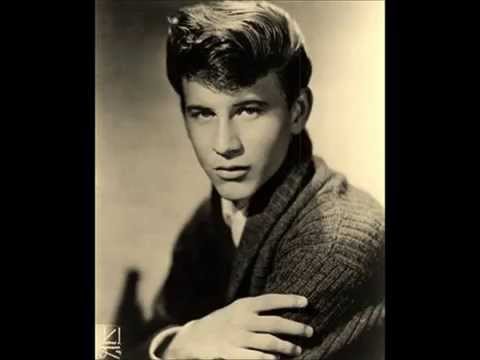


→ More from the 1960s File
View all 1960s hits →




Keep digging