The 1960s File Feature
I'll Never Dance Again
Bobby Rydell's "I'll Never Dance Again": Teen Idol Gravity at the Summit of Early-60s Pop Bobby Rydell occupied a specific and important niche in early 1960s…
01 The Story
Bobby Rydell's "I'll Never Dance Again": Teen Idol Gravity at the Summit of Early-60s Pop
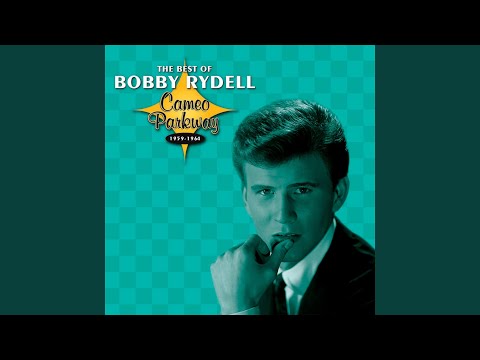
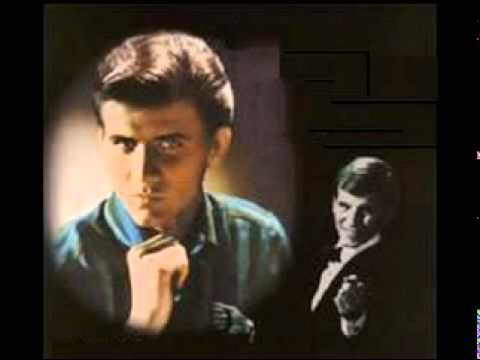
Bobby Rydell occupied a specific and important niche in early 1960s American pop music: the locally grown Philadelphia teen idol who had come up through the same South Philadelphia neighborhood and the same show business circuit as Frankie Avalon and Fabian, sharing with them a clean-cut presentation and a vocal approach rooted in the Italian-American pop tradition that Cameo-Parkway Records had refined into a commercially potent formula. By 1962, Rydell had already accumulated a substantial string of hit singles, including "Kissin' Time," "Wild One," "Swingin' School," "Volare," and "Forget Him," and his place in the early 1960s pop hierarchy was secure. "I'll Never Dance Again" arrived in the summer of that year as one of his strongest commercial performances, debuting on the Billboard Hot 100 on June 2, 1962, at number 86, and climbing steadily over twelve weeks to peak at number 14 on July 14, 1962.
Bobby Rydell, born Robert Louis Ridarelli in 1942, had been performing professionally since childhood, developing his skills as a drummer and vocalist through the South Philadelphia show business community before signing with Cameo Records and beginning his chart career in 1959. His timing was impeccable: he arrived on the national pop scene precisely when American teenagers were hungry for domestic alternatives to the raw rock and roll of the late 1950s and before the British Invasion would transform the market irrevocably. The years between 1959 and early 1964 represented a window of enormous commercial opportunity for clean-cut American teen idols, and Rydell exploited that window with considerable success.
Cameo-Parkway Records, the Philadelphia independent label that served as home to Rydell and many of his peers, had developed a distinctive production approach that drew on the city's rich musical traditions, including its deep R&B scene and its particular talent for melodic pop songwriting. The label's producers and arrangers understood how to frame Rydell's voice with arrangements that were sophisticated enough to appeal to adult listeners while retaining the lightness and accessibility that made the records work on teen radio. "I'll Never Dance Again" exemplified this approach, featuring an arrangement that supported the melodic content of the song without overwhelming it and that gave Rydell's vocal delivery room to communicate the emotional content effeThe song itself belonged to a category of early 1960s pop that combined romantic drama with melodic accessibility in ways that have caused some critics to dismiss the era's output as lightweight, but which represented genuine craft when executed well. The premise of vowing never to dance again in the aftermath of romantic loss drew on a long tradition of using dance as a metaphor for romantic engagement and social participation, a tradition with roots in popular song stretching back at least to the pre-rock era and forward into the rock and roll period where dance remained a central metaphor for romantic connection and heartbreak.n and heartbreak.
Rydell's vocal approach on the record was characteristic of his best work: warm and direct, with enough emotional conviction to give the dramatic premise credibility without tipping into the kind of overwrought performance that might have seemed inappropriate for the relatively light musical framework. He had always been a more accomplished vocalist than his teen idol status sometimes suggested, and "I'll Never Dance Again" gave him material that allowed that vocal quality to show itself clearly. The record's twelve-week chart run and number 14 peak confirmed that his audience was responding to something more than mere celebrity, that the music itself was compelling enough to sustain extended chart presence.
The summer of 1962, when the single reached its peak, was a period of considerable richness in American pop. Ray Charles, Ray Conniff, Connie Francis, the Four Seasons, and Bobby Darin were among the artists competing for chart space alongside Rydell, and the Hot 100 of that summer represents a remarkable cross-section of American pop's range and diversity in the pre-Beatles era. Rydell's ability to reach number 14 in that environment demonstrated genuine commercial competitiveness rather than the mere niche success that teen idol status sometimes implied.
The arrival of the Beatles on American shores in February 1964 would fundamentally alter the pop landscape and effectively end the commercial dominance of the teen idol format that Rydell represented. The British Invasion did not destroy Rydell's career instantly, but it changed the terms on which success was available to him, and the chart heights he had reached between 1959 and 1963 were not again achieved. He transitioned into the broader entertainment world of nightclub performance, television appearances, and eventually nostalgia touring circuits, maintaining a professional career of considerable longevity even as his commercial peak receded into history.
"I'll Never Dance Again" stands as one of the definitive recordings of Rydell's peak period, a document of the Cameo-Parkway sound at its most polished and a reminder that the pre-Beatles American pop era, however frequently dismissed by subsequent critical narratives, produced music of genuine quality and emotional resonance. The record's number 14 peak and twelve-week chart run were achievements that speak for themselves, earned in genuine competition with the full range of what American popular music had to offer in the summer of 1962.
02 Song Meaning
Dance as Metaphor: Loss, Withdrawal, and the Language of Bobby Rydell's "I'll Never Dance Again"
The vow not to dance again is, in the tradition of early 1960s pop, a declaration of a specific kind of romantic devastation: not merely sadness at the end of a relationship but a resolution to withdraw from the social and physical rituals through which romance is initiated and sustained. Dancing in early-60s pop culture carried enormous weight as a social practice and as a metaphor. The dance floor was the site of romantic encounter, the physical expression of romantic connection, and the arena in which social identity was performed and negotiated. To vow never to dance again was therefore to vow a kind of social self-exile, to declare oneself permanently altered by loss in ways that touched the most public dimensions of youthful life.
Bobby Rydell's interpretation of this premise brought to it the earnestness that characterized his best vocal work, a quality of genuine commitment to the emotional stakes of the lyric that prevented the dramatic promise from seeming merely theatrical. This was not a small achievement. The vow embedded in the song's title is a large one, dramatically speaking, and sustaining its credibility across a three-minute pop record requires a performer who can inhabit the emotional logic of the situation convincingly rather than simply executing the notes as written.
The broader cultural context of early-60s American teen pop shaped how this kind of emotional declaration functioned for its audience. The genre had developed a sophisticated vocabulary for articulating the emotional experiences of adolescence, particularly the intensity with which teenagers experienced romantic connection and romantic loss. That intensity, which adult culture often dismissed as ephemeral or trivial, was treated by the best early-60s pop songwriters and performers as genuinely serious, as deserving the same emotional resources that older musical traditions had applied to adult romantic experience.
In this sense, "I'll Never Dance Again" participates in a quietly significant cultural project: the validation of adolescent emotional experience as real and important rather than merely preparatory to the more significant feelings of adulthood. The record's commercial success, reaching number 14 on the Hot 100, suggests that its target audience recognized and responded to that validation, hearing in Rydell's performance a convincing articulation of the emotional stakes involved in early romantic loss.
The use of dance as the central metaphor also connects the song to a long tradition in American popular music of using physical movement as an index of emotional and social vitality. The withdrawal from dance parallels other withdrawal narratives in the popular song tradition: the artist who vows not to perform again, the lover who vows not to love again, the social being who retreats into isolation after a devastating experience. These withdrawal narratives function as extreme expressions of grief, using the most dramatic gesture available to communicate the depth of the loss experienced.
The melodic construction of the record supports the emotional content through its own particular logic. The melody rises and falls in ways that mirror the emotional arc of the narrative, building toward the central declaration with enough musical momentum that the vow, when it arrives, feels like a genuine culmination rather than an arbitrary stopping point. The Cameo-Parkway production approach, which tended toward clarity and directness rather than elaborate ornamentation, served this material well, keeping the listener's attention on the voice and the lyric without distraction.
What makes "I'll Never Dance Again" worth returning to, beyond its historical interest as a document of early-60s pop culture, is the genuine emotional honesty of Rydell's performance, his ability to inhabit a dramatically heightened premise with sufficient conviction that the listener is momentarily willing to believe in the reality of the situation described. That capacity for sustained conviction in performance, which Rydell possessed in greater measure than many of his teen idol contemporaries, is ultimately what elevates the record above the merely competent and gives it the staying power that has sustained its appeal to listeners willing to engage with the pre-Beatles pop era on its own terms.
→ More from Bobby Rydell
View all Bobby Rydell hits →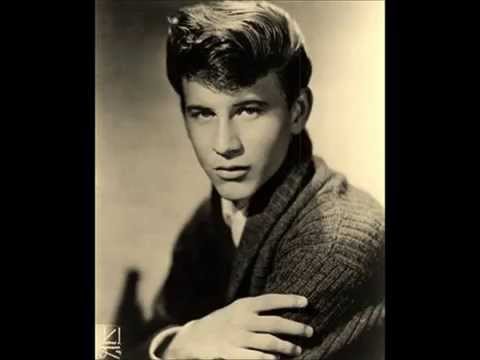


→ More from the 1960s File
View all 1960s hits →




Keep digging