The 1960s File Feature
Make Me Yours
Make Me Yours — Bettye Swann: Recording, Release, and Chart History Bettye Swann arrived on the American music scene at a moment when Southern soul was asser…
01 The Story
Make Me Yours — Bettye Swann: Recording, Release, and Chart History
Bettye Swann arrived on the American music scene at a moment when Southern soul was asserting its dominance over the national rhythm-and-blues landscape. Born Betty Jean Champion in Shreveport, Louisiana, she had spent years sharpening her vocal craft before she found herself recording for Money Records, a Los Angeles-based independent label that punched well above its weight in the mid-1960s. "Make Me Yours," released in 1967, became the defining moment of her career, a record that demonstrated how a precisely constructed soul ballad could transcend regional markets and reach listeners across the entire country.
The production of "Make Me Yours" reflected the careful craftsmanship that characterized the best independent soul recordings of the era. The arrangement balanced string sweetness against a rhythm section that kept the track grounded in the blues tradition. Swann's voice, warm and controlled yet capable of sudden emotional surges, was the instrument around which everything else was built. The record did not rely on studio pyrotechnics. Instead, it trusted the singer and the song, a philosophy that proved commercially vindicated.
Money Records, founded by Art Rupe associate Lew Chudd's former associates and operating out of California, had cultivated a small but loyal roster of artists who worked in the soul and rhythm-and-blues idiom. The label lacked the institutional muscle of Atlantic or Motown, but it had ears for talent and a willingness to invest in quality recordings. Swann had already recorded for the label before "Make Me Yours," but none of her previous releases had generated the same commercial momentum.
The song's chart performance was exceptional by any standard. "Make Me Yours" reached number one on the Billboard R&B chart, a remarkable achievement for an artist on an independent label competing against the full promotional machinery of major imprints. The record demonstrated that quality could still break through even in an increasingly corporate industry. It also crossed over to the pop chart, reaching the upper reaches of the Billboard Hot 100, a crossover achievement that validated the song's broad emotional appeal beyond the core R&B audience.
The timing of the record's success placed it within one of the most competitive periods in American popular music. 1967 was the year of Aretha Franklin's breakthrough at Atlantic, the Summer of Love, and a general explosion of creative energy across soul, rock, and pop. For Swann to cut through that noise with a mid-tempo ballad on a small independent label was a testament to the song's quality and her performance's emotional authenticity.
Radio play was the primary mechanism through which "Make Me Yours" built its audience. Soul and R&B radio stations in major markets picked up the record quickly, and its crossover appeal meant that pop-formatted stations also added it to rotation. The single format, the dominant commercial vehicle of the era, was perfectly suited to Swann's concise and emotionally direct approach. There were no extended instrumental passages or experimental detours, just the song itself delivered with maximum conviction.
In the years following the hit, Swann's recording career continued at Money Records and later at Atlantic, where she recorded material that critics would later praise for its understated sophistication. However, "Make Me Yours" remained her commercial apex. The song has since been recognized as a genuine classic of the 1960s soul era, appearing on compilations and retrospectives dedicated to the golden age of independent rhythm-and-blues production.
Swann's legacy was somewhat obscured during the decades when her work was out of print, but the rise of reissue culture in the 1990s and 2000s brought renewed critical attention. Collectors and music historians revisiting the Money Records catalog consistently identified "Make Me Yours" as one of the finest soul recordings the label produced. The song's combination of sophisticated arrangement, heartfelt vocal performance, and strong melodic construction gave it a durability that many more heavily promoted records of the same era could not match.
The cultural footprint of "Make Me Yours" extends beyond its original chart run. The song has been sampled and interpolated by subsequent generations of artists who recognized in its structure and emotional register something that could be productively engaged with. Its appearance in film and television soundtracks has introduced it to listeners who encountered it decades after its original release, confirming that Bettye Swann's 1967 recording retained the power to move audiences across generational boundaries.
02 Song Meaning
Make Me Yours — Bettye Swann: Meaning, Themes, and Emotional Register
"Make Me Yours" operates within the long tradition of the soul love plea, a genre of song in which the singer addresses a romantic partner with a combination of vulnerability, desire, and emotional directness. The song belongs to that subset of 1960s soul in which the speaker does not approach the beloved from a position of strength but rather from one of open emotional need, asking to be claimed, to be chosen, to be incorporated into another person's life as a permanent and valued presence.
The thematic core of the song is the desire for belonging. Swann's narrator is not simply asking for romantic attention but for a more complete and transformative commitment, a relationship that would redefine her sense of self and place in the world. This is soul music operating in its most emotionally ambitious register, using the conventions of romantic love to explore questions of identity, worth, and the human need for deep connection.
The emotional register that Swann brings to the performance is one of restrained urgency. She does not shout or wail in the fashion of the more histrionic soul vocalists of her era. Instead, she communicates desire through control, through the sense that enormous feeling is being carefully channeled rather than simply released. This approach gives the song a particular kind of intimacy, as though the listener is receiving a private communication rather than a public performance.
The lyrical construction of the song is notable for its directness. There are no extended metaphors or elaborate conceits. The narrator states what she wants and what she is willing to offer in return, framing the romantic transaction as one of mutual commitment. This directness was characteristic of the best soul writing of the period, which rejected ornate language in favor of emotional precision.
Within Bettye Swann's catalog, "Make Me Yours" stands as the clearest expression of her artistic identity. The song encapsulates her approach to performance, which prioritized emotional truth over theatrical display, and her preference for material that gave the singer room to communicate genuine feeling rather than simply demonstrate vocal technique. The record's commercial success confirmed that there was a substantial audience for this kind of understated emotional directness.
The song also carries cultural meaning as a product of its historical moment. 1967 soul music was deeply engaged with questions of black identity, dignity, and self-worth, and even a romantic ballad like "Make Me Yours" participates in that broader cultural project. The act of a black woman singer asserting her emotional needs and her right to be loved and valued was never simply a personal statement but always also a political one, however implicitly.
Listeners returning to the song decades after its original release often note how contemporary it sounds, how its emotional concerns remain relevant regardless of the specific cultural moment in which it is heard. The desire to be fully chosen by another person, to have one's emotional availability met with equal commitment, is not a historically specific feeling. Swann's recording gave that feeling a form precise enough to outlast the particular circumstances of its creation.
The meaning of "Make Me Yours" is ultimately inseparable from the performance itself. Bettye Swann's voice is not merely the vehicle for the song's content but is itself the primary site of meaning. The way she shapes phrases, the moments she chooses to intensify and the moments she pulls back, communicate the complexity of the emotional situation the song describes in ways that no lyric sheet could fully capture.
→ More from Bettye Swann
View all Bettye Swann hits →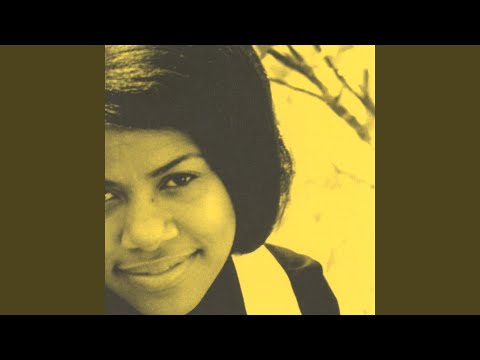

→ More from the 1960s File
View all 1960s hits →




Keep digging