The 1960s File Feature
Don't Touch Me
The Aching Soul of Don't Touch Me by Bettye Swann Picture the soul landscape of early 1969, when deep, emotionally raw singing was reaching new heights and a…
01 The Story
The Aching Soul of "Don't Touch Me" by Bettye Swann
Picture the soul landscape of early 1969, when deep, emotionally raw singing was reaching new heights and a great soul voice could turn private heartbreak into a public revelation. Bettye Swann was one of the genre's most underrated talents, a singer with a warm, expressive voice and a gift for conveying vulnerability without ever overplaying it. Early that year she delivered an aching, tender ballad about a woman trying to protect her own heart, and it climbed comfortably onto the pop chart. The performance was a masterclass in restrained soul, all feeling and no excess.
Where Bettye Swann Stood in 1969
By 1969, Bettye Swann had established herself as a respected soul singer, an artist who had already scored success and built a reputation for emotional depth. She was known for her ability to blend soul with a touch of country sensibility, bringing real nuance and tenderness to her recordings. The late 1960s were a golden age for soul music, rich with extraordinary voices, and Swann more than held her own among them. This single fit her gifts perfectly, a song that demanded subtlety and emotional honesty, qualities she possessed in abundance. It was a showcase for her understated, deeply affecting style. In an era when many soul singers built their reputations on raw power and explosive delivery, Swann distinguished herself through restraint, drawing listeners in rather than overwhelming them. That quieter approach made her a connoisseur's favorite, the kind of artist whose work rewards careful attention. This single is one of the finest examples of what made her special.
The Sound of the Song
The track is a tender, aching soul ballad built around a gentle arrangement and Swann's warm, vulnerable vocal. The production stays restrained, leaving plenty of room for the emotion to breathe. Swann delivers the lyric with a quiet, heartbreaking sincerity, capturing the conflicted feelings of a woman trying to guard herself against further pain. There is a country tenderness woven through the soul, a blend that gives the song its distinctive warmth. The performance never reaches for melodrama, trusting the strength of the feeling instead. It is the kind of soul ballad that rewards close listening, its emotion deepening with every play.
Climbing the Hot 100
The single performed solidly on the pop chart. It debuted on the Billboard Hot 100 on March 8, 1969, entering at number 91. From there it climbed steadily through the spring, rising to 78, then 61, then 54, before reaching its peak of number 38 during the week of April 19, 1969. The record spent ten weeks on the Hot 100, a healthy run that reflected genuine crossover support beyond the R&B audience. Cracking the top 40 confirmed Swann's appeal and stands as one of the stronger pop showings of her career, a deserved success for such a moving performance.
Its Place in Soul History
This single remains a fine example of late-1960s soul at its most tender and emotionally honest. It showcases Bettye Swann's gift for restrained, deeply felt singing, the quality that has made her a favorite among soul connoisseurs. While she never became a household name, her recordings have earned lasting admiration for their warmth and subtlety. For fans of deep soul and its more delicate corners, this single is a genuine treasure, a heartfelt performance from a singer who deserved far more recognition. The blend of soul and country sensibility that runs through her work gives it a distinctive flavor, a warmth that sets it apart from the harder edges of the genre. This single captures that quality beautifully, and it remains a rewarding discovery for anyone willing to seek out the quieter masterpieces of late-1960s soul.
Press play and let Bettye Swann's warm, aching voice draw you into one of the tenderest soul performances of 1969.
"Don't Touch Me" — Bettye Swann's singular moment on the 1960s charts.
02 Song Meaning
What "Don't Touch Me" Is Really About
This is a song of emotional self-protection, the aching plea of a woman trying to guard her heart against a love she cannot fully trust. The title carries a poignant tension: a request for distance that masks a deeper longing. It belongs to the emotionally honest soul tradition of the late 1960s, and Bettye Swann delivers its conflicted feelings with a tenderness that makes the vulnerability palpable.
The Central Theme of Guarded Vulnerability
At its heart the song explores the fear of being hurt again. The singer asks for distance not because she lacks feeling but because she has too much, terrified of the pain that intimacy might bring. That theme of guarded vulnerability gives the song its emotional complexity. It captures the painful contradiction of wanting love while fearing it, of pushing someone away precisely because they matter so much. It is a deeply human and relatable struggle.
The Emotional Register
The feeling the song conveys is tender conflict. There is longing and fear tangled together in the plea, the ache of a heart torn between desire and self-preservation. Swann's restrained, vulnerable delivery captures that conflict beautifully, refusing to oversell it and instead letting the emotion sit quietly with the listener. The result is a performance that feels honest and intimate, the sound of a real person wrestling with her own guarded heart. That quiet honesty draws the listener close, inviting them to recognize the same fear in themselves.
The Cultural Moment of 1969
The late 1960s were a high point for emotionally rich soul music. Singers brought remarkable depth and honesty to songs about love and pain, valuing genuine feeling above all. A song about guarded vulnerability fit perfectly into that landscape, offering listeners a moment of raw emotional truth. It belongs to an era when soul music excelled at giving voice to the most tender and complicated feelings of the heart.
Why It Resonates
The reason a song like this endures is the universality of its emotional struggle. Everyone has feared being hurt by love and felt the urge to protect themselves, and a soulful, sincere performance brings that struggle vividly to life. Listeners hear their own guarded hearts reflected in the song, which is why it lingers. That tender emotional honesty is exactly the quality that gives the record its quiet, lasting power. The contradiction at its heart, the longing wrapped inside a plea for distance, is something almost everyone has felt at one time or another, and Swann gives that complicated feeling a voice of rare warmth and grace. To want closeness and fear it in the same breath is one of the most honest emotional truths a love song can capture, and the tenderness of this performance makes that truth land with quiet, lasting force.
→ More from Bettye Swann
View all Bettye Swann hits →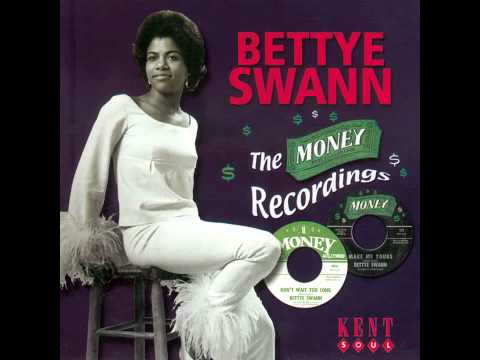

→ More from the 1960s File
View all 1960s hits →




Keep digging