The 1960s File Feature
Young Boy Blues
The Story Behind Young Boy Blues by Ben E. King A Solo Career Just Finding Its Footing Ben E. King had only recently stepped out from behind the microphone o…
01 The Story
The Story Behind "Young Boy Blues" by Ben E. King
A Solo Career Just Finding Its Footing
Ben E. King had only recently stepped out from behind the microphone of The Drifters when "Young Boy Blues" arrived in 1961, still establishing himself as a solo artist capable of carrying hits on his own name rather than as part of a vocal group. He'd already scored with the enduring classic "Spanish Harlem" and was about to release the song that would define his legacy forever, "Stand By Me," making 1961 a pivotal, transitional year for a singer proving he belonged among soul music's elite voices. King's smooth, aching tenor was quickly becoming one of the most recognizable instruments in early 1960s R&B, capable of carrying both uptempo pop and slow, torch-lit balladry with equal conviction and equal emotional precision, a versatility that made him one of Atlantic's most valuable solo signings of the era.
A Ballad Rooted in Classic Songwriting Craft
"Young Boy Blues" leaned into the string-laced, orchestrated soul sound that Atlantic Records was refining at the time, a style that owed as much to the Brill Building songwriting tradition as it did to gospel and doo-wop roots. The arrangement gave King room to showcase his vocal control, letting the melody build with restrained tension rather than overt drama. It fit comfortably alongside the label's growing catalog of sophisticated, string-backed R&B that was helping reshape the genre's sound at the top of the decade, a sound that would influence countless soul singers throughout the 1960s, from Chicago to Detroit to Memphis, as labels raced to replicate Atlantic's formula.
A Respectable, if Modest, Chart Run
The single debuted on the Billboard Hot 100 on October 16, 1961, entering at number 75. It moved up over the following two weeks, reaching its peak position of number 66 on October 30, 1961. The song held on for a total of six weeks on the chart, a solid if unspectacular run that reflected King's growing but not yet dominant standing as a solo act during this early stretch of his post-Drifters career.
A Bridge Between Two Eras of a Legendary Career
Positioned between his group years and his imminent superstardom, "Young Boy Blues" captures King in a genuinely transitional moment, an artist still building the reputation that "Stand By Me" would soon cement permanently. Songs like this one rarely get remembered on their own terms, overshadowed by what came immediately after, but they represent essential groundwork, the consistent output that proved King could sustain a solo career beyond a single crossover fluke and build a lasting body of work that would eventually stand alongside the biggest names in American soul music.
An Underappreciated Piece of a Towering Legacy
King's catalog would go on to influence generations of soul and R&B singers, and his voice remains one of the most instantly identifiable in American popular music history. "Young Boy Blues" doesn't carry the same cultural weight as his signature hits, but it belongs to the same body of work, recorded during the same fertile period at Atlantic that produced some of the label's most enduring soul recordings and shaped the sound of the decade to come.
Worth Rediscovering Today
Play "Young Boy Blues" now and you'll hear a young King already in command of the emotional restraint that would define his greatest work, a preview of the vocal maturity that made him one of soul's most enduring voices. It rewards anyone willing to look past the hits everyone already knows, offering a fuller picture of an artist still discovering the outer edges of his own instrument. For longtime fans, it's a chance to hear the roots of a style that would soon become instantly recognizable across radio formats and generations of listeners.
"Young Boy Blues" — Ben E. King's singular moment on the 1960s charts.
02 Song Meaning
What "Young Boy Blues" Is Really About
Youthful Heartache, Plainly Told
As its title suggests, "Young Boy Blues" centers on the particular ache of young romantic disappointment, the kind of raw, formative heartbreak that feels enormous precisely because it's unfiltered by experience. King's narrator isn't jaded or cynical; he's wounded in a way that only feels possible the first few times love goes wrong. That emotional rawness gives the song its title and its core identity, one rooted firmly in youthful vulnerability rather than world-weary resignation, a distinction that matters enormously to how the song ultimately feels on record.
Vulnerability as Vocal Strategy
King's delivery leans into restraint rather than melodrama, allowing the ache in his voice to communicate more than the lyric alone could. That controlled vulnerability became something of a signature across his early solo work, a way of singing pain that felt dignified rather than desperate, a quality that would soon define his biggest hits as well and help set him apart from more theatrical vocalists of the era who leaned harder into vocal runs and dramatic flourishes.
The Brill Building Era's Emotional Craftsmanship
Atlantic Records in the early 1960s was refining a particular blend of pop songcraft and soul feeling, pairing polished, orchestrated arrangements with lyrics built around universal emotional situations rather than personal specifics. "Young Boy Blues" fits neatly into that tradition, using accessible, relatable heartbreak imagery designed to connect with the broadest possible audience of young record buyers navigating their own first loves and losses on transistor radios across the country, late at night, alone in their bedrooms.
A Sound Built for Radio Intimacy
The string arrangement surrounding King's vocal wasn't there for spectacle; it was there to create intimacy, framing his voice the way a spotlight frames a solo performer on an otherwise dark stage. That production choice reinforced the song's emotional focus, making the listener feel as though they were hearing a private confession rather than a polished studio recording built for mass radio consumption.
Why Listeners Connected With It
Early 1960s pop audiences, particularly younger listeners just discovering the intensity of first heartbreak, found genuine recognition in songs like this one. It didn't ask listeners to intellectualize their pain; it simply reflected it back to them with sincerity and craft. That directness, delivered through one of the era's most gifted voices, made the connection immediate and lasting for anyone who heard it on the radio.
A Quiet Precursor to a Defining Theme
Themes of devotion, loneliness, and emotional steadiness would soon become central to King's most celebrated work, and "Young Boy Blues" offers an early glimpse of that emotional vocabulary taking shape. It's a song about youthful pain, but it's also, in retrospect, a rehearsal for the deeper emotional resonance King would achieve just months later with his most famous recording.
→ More from Ben E. King
View all Ben E. King hits →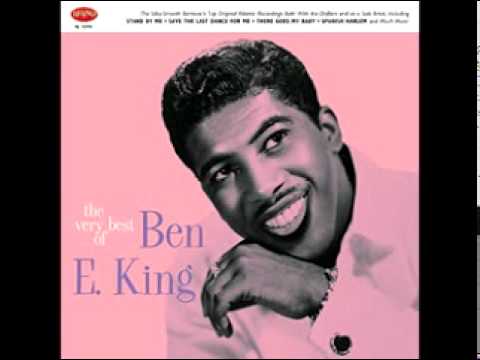


→ More from the 1960s File
View all 1960s hits →




Keep digging