The 1960s File Feature
You're Gonna Need Me
The Story Behind You're Gonna Need Me by Barbara Lynn A Trailblazing Guitarist-Vocalist Building Her Legacy By late 1962, Barbara Lynn had already distinguis…
01 The Story
The Story Behind "You're Gonna Need Me" by Barbara Lynn
A Trailblazing Guitarist-Vocalist Building Her Legacy
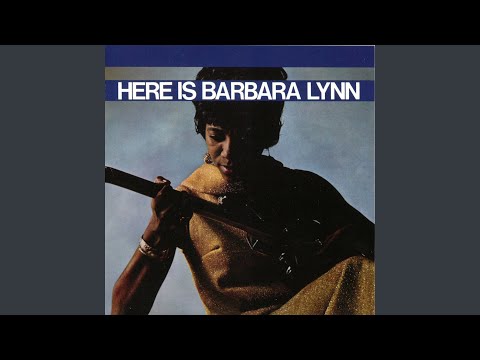
By late 1962, Barbara Lynn had already distinguished herself as a genuinely rare figure within American popular music, a left-handed guitarist and vocalist whose combined instrumental and vocal talents set her apart from the vast majority of contemporary female R&B performers who typically worked exclusively as vocalists. This single arrived following her earlier breakthrough success, released as she continued building on that initial commercial momentum within a genuinely competitive early-1960s R&B marketplace.
A Confident, Guitar-Driven R&B Sound
"You're Gonna Need Me" showcased Lynn's characteristically confident, guitar-driven R&B sound, favoring her own distinctive instrumental playing alongside a genuinely assertive vocal delivery that distinguished her recordings from many contemporary female R&B vocalists working within more conventionally produced arrangements. That combination of guitar musicianship and vocal confidence gave Lynn a genuinely distinctive artistic identity within the broader early-1960s R&B landscape.
A Modest but Meaningful Chart Presence
Commercially, "You're Gonna Need Me" debuted on the Billboard Hot 100 on December 15, 1962, and climbed to reach its peak position of number 65 during the chart week of January 5, 1963, spending six weeks on the chart overall. That modest pop chart performance, achieved alongside stronger R&B chart success, confirmed Lynn's continued ability to reach a meaningful audience even as her strongest commercial impact remained concentrated within R&B-focused radio formats.
Evidence of Continued Commercial Relevance
A number 65 pop chart peak carried real significance for Lynn at this stage of her career, offering continued evidence that her distinctive combined instrumental and vocal talents could still generate meaningful mainstream chart attention following her earlier commercial breakthrough. That continued relevance mattered considerably for Lynn's ongoing career development, reinforcing her standing as a genuinely distinctive presence within the competitive early-1960s R&B marketplace.
Part of a Broader Early-1960s R&B Landscape
This single arrived amid a broader early-1960s R&B landscape increasingly receptive to strong, assertive female vocal performances, a commercially vibrant period that gave performers like Lynn genuine opportunities for sustained chart success even as the broader marketplace remained genuinely competitive and crowded. That receptive commercial environment gave Lynn continued opportunities to build on her earlier breakthrough success throughout this productive stretch of her career.
A Notable Chapter in a Trailblazing Career
Within Lynn's broader career arc, this recording represented a genuine continuation of her distinctive artistic identity, reinforcing her reputation as one of the era's few prominent female guitarist-vocalists working within mainstream R&B and pop radio formats. That continued visibility helped establish Lynn's lasting historical significance as a genuine trailblazer within American popular music.
A Testament to Genuine Musical Versatility
The single's success ultimately reflected Lynn's genuinely rare combined instrumental and vocal versatility, qualities that distinguished her from the vast majority of contemporary female R&B performers and helped establish her lasting reputation as a genuinely accomplished all-around musician. That versatility gave Lynn's broader catalog lasting artistic significance well beyond any single chart performance.
A Rare Foothold for a Female Instrumentalist
Lynn's ability to sustain chart visibility as both a credited guitarist and lead vocalist carried genuine significance within an industry structure that, during this period, overwhelmingly positioned women as vocal interpreters of material written and arranged largely by others, rather than as instrumentalists actively shaping a recording's musical foundation. That structural rarity gave Lynn's continued chart presence added historical weight, offering a genuinely uncommon example of a woman receiving credit and recognition for instrumental contribution alongside vocal performance during this specific era. Music historians examining the broader landscape of early-1960s R&B have consistently pointed to Lynn as one of relatively few female artists of the period whose guitar work received comparable attention to her singing, a distinction that continues to shape her reputation among genre scholars today.
A Continued Chapter in a Distinctive Musical Legacy
Press play and hear a genuinely trailblazing guitarist-vocalist continuing to build her distinctive musical legacy within a competitive early-1960s R&B landscape.
"You're Gonna Need Me" — Barbara Lynn's singular moment on the 1960s charts.
02 Song Meaning
What "You're Gonna Need Me" Is Really About
A Confident Prediction of Future Regret
As its title directly suggests, the song centers on a confident prediction that a partner will eventually recognize and regret the value of a relationship they have taken for granted or mistreated. Barbara Lynn's assertive, confident vocal delivery lends that prediction genuine conviction throughout, favoring self-assured strength over pleading vulnerability.
Assertiveness as a Departure From Convention
Rather than expressing romantic desperation or pleading, the lyric adopts a genuinely assertive, self-respecting stance, the narrator confident in her own worth rather than begging for a partner's continued attention or affection. That assertive framing distinguished the song from more conventionally submissive contemporary romantic songwriting, reflecting Lynn's broader artistic identity as a confident, independent performer.
Guitar Work Reinforcing Vocal Confidence
Musically, Lynn's own distinctive guitar playing throughout the recording reinforces the song's underlying confident tone, using assertive instrumental phrasing that mirrors the vocal performance's self-assured emotional stance. That instrumental confidence reflected Lynn's genuinely rare combined skill set, allowing her guitar work to actively participate in conveying the song's central emotional message rather than simply providing background accompaniment.
Self-Worth as the Song's Foundation
The song's central message ultimately rests on a foundation of genuine self-worth, the narrator's confidence in her own value functioning as the true source of her prediction that her partner will eventually recognize what he has lost or undervalued. That foundation of self-respect gave the song real thematic substance beyond simple romantic warning, suggesting genuine personal strength rather than mere romantic manipulation.
A Voice Distinguishing Itself Within a Crowded Field
Lynn's overall artistic approach throughout the recording distinguished her clearly within an increasingly crowded early-1960s R&B marketplace, combining genuine instrumental skill with confident vocal delivery in a way relatively few contemporary performers, male or female, could match. That distinctiveness helped establish Lynn's lasting reputation as a genuinely significant, if sometimes underappreciated, figure within American popular music history.
Warning Delivered Without Bitterness
Notably, the song's confident prediction arrives largely free of bitterness or vindictiveness, the narrator stating her case as simple fact rather than issuing an angry threat. That measured tone gives the warning added credibility, suggesting a narrator secure enough in her own worth that she feels no need to escalate her message beyond calm, matter-of-fact certainty.
Why the Song Still Resonates
Today, the track holds particular interest among R&B historians and Lynn's dedicated fanbase, valued for its combination of confident songwriting and genuine instrumental musicianship that distinguished her from many contemporary performers. Its modest chart history has not diminished its standing among listeners specifically drawn to Lynn's trailblazing combined role as guitarist and vocalist.
"You're Gonna Need Me" — Barbara Lynn's singular moment on the 1960s charts.
→ More from Barbara Lynn
View all Barbara Lynn hits →
→ More from the 1960s File
View all 1960s hits →




Keep digging