The 1950s File Feature
Pretty Blue Eyes
Pretty Blue Eyes — Steve Lawrence The Last Great Season of the Pop Crooner Late 1959 was a peculiar transitional moment in American popular music. Rock and r…
01 The Story
Pretty Blue Eyes — Steve Lawrence
The Last Great Season of the Pop Crooner
Late 1959 was a peculiar transitional moment in American popular music. Rock and roll had shaken the industry dramatically since 1955, but its initial shock had partially subsided, and the major labels were reasserting control through a smoother, more polished product that incorporated some rock rhythms while retaining the orchestral elegance of pre-rock pop. Teen idols like Fabian and Frankie Avalon were selling records on looks and personality as much as talent, while at the same time, a generation of adult-oriented pop singers who had been working since the late 1940s were still finding substantial audiences. Steve Lawrence occupied a very specific position in that landscape: a genuinely talented vocalist with mainstream commercial appeal who could hold his own against the teenage competition without pretending to be something he was not.
Steve Lawrence had built his career through television exposure, most significantly as a regular on Steve Allen's Tonight Show during the mid-1950s. That platform had given him national visibility at a time when television was rapidly becoming the primary medium through which the American public encountered pop musicians. He had the kind of pleasant, technically reliable tenor voice that worked exceptionally well through a television speaker, and he understood how to project warmth and charm in a format that rewarded those qualities.
The Song and Its Creation
"Pretty Blue Eyes" was written by Teddy Randazzo and Bobby Weinstein, a songwriting team working in the late Brill Building tradition of custom-crafted pop material. Randazzo and Weinstein were a productive partnership who understood how to tailor material to specific vocal types, and "Pretty Blue Eyes" was a well-constructed piece of romantic pop that played directly to Lawrence's strengths. The lyric is simple and direct, a straightforward celebration of a particular physical quality in the object of the narrator's affection, elevated by a melodic line that is genuinely lovely rather than merely functional.
The production surrounding Lawrence's vocal was orchestral and warm, following the conventions of late-1950s pop recording. Strings, brass, and a rhythm section balanced to allow the voice to sit at the center of the arrangement created the kind of sonic environment that adult pop radio audiences expected and responded to. The record was released on ABC-Paramount, a label that had been building a strong commercial pop roster through the late 1950s.
A Holiday Season Chart Run
The single debuted on the Billboard Hot 100 on November 23, 1959, entering at number 80. Its climb through the chart corresponded almost exactly with the holiday season, a period when radio programmers traditionally favored warm, romantic material that suited the festive and sentimental mood of late December. The record reached its peak position of number 10 during the week of December 28, 1959, a top-ten achievement that placed Lawrence alongside the most commercially successful pop acts of the moment. It spent six weeks on the chart in total.
A top-ten record on the Hot 100 in late 1959 was genuine national success, confirmation that Lawrence could compete with both the teen idol phenomenon and the adult pop establishment that Sinatra and Como represented. That range of commercial viability was exactly what his career required at that moment.
Lawrence in the Broader Career Arc
Steve Lawrence's commercial peak extended into the early 1960s, with his 1962 single "Go Away Little Girl" reaching number one on the Hot 100. His partnership with singer Eydie Gorme, whom he married in 1957, became both a personal and professional centerpiece of his public life, and the two performed and recorded together for decades. Lawrence worked extensively in television, theater, and comedy, developing a versatility that sustained his career long after the specific pop moment that produced "Pretty Blue Eyes" had passed.
The song remains a clean, representative example of what American pop sounded like at the very end of the 1950s, before the British Invasion of 1964 would fundamentally alter the commercial landscape once again. Press play and hear the sound of a particular kind of American optimism, expressed through a melody that has lost none of its charm in the intervening decades.
"Pretty Blue Eyes" — Steve Lawrence's singular moment on the 1950s charts.
02 Song Meaning
Pretty Blue Eyes — Meaning, Themes, and Legacy
The Particularity of Attraction
There is a long tradition in American popular song of celebrating a specific physical feature of the beloved, and "Pretty Blue Eyes" participates in that tradition with directness and clarity. The song does not attempt to catalog the full complexity of romantic feeling; it focuses instead on a single, concrete detail and treats that detail as emblematic of everything the narrator finds irresistible. That kind of lyrical particularity, anchoring a large emotion to a small, specific observation, is one of the oldest and most reliable techniques in popular songwriting.
Teddy Randazzo and Bobby Weinstein understood that audiences responded to specificity in love songs because it creates the illusion of documentary authenticity. The details make it feel true in a way that abstraction cannot. "Pretty Blue Eyes" works precisely because it names something particular rather than reaching for grand generalizations about love or beauty.
Innocence and the Late-1950s Pop Aesthetic
The emotional register of the song is entirely uncomplicated. The narrator is smitten, the feeling is unclouded by ambivalence or anxiety, and the tone is celebratory and warm throughout. That uncomplicated emotional stance was central to the late-1950s pop aesthetic that the song exemplifies. Pre-Beatle American pop operated on the premise that the proper subject of a love song was the positive experience of romantic attraction, expressed in the most appealing possible melodic and orchestral setting.
Looking back from any subsequent decade, that simplicity can seem naive, but it reflected genuine cultural values of the period. The late 1950s, despite the anxieties of the Cold War and the injustices of American racial life, sustained a remarkably optimistic mainstream popular culture, and pop music was one of its primary expression vehicles.
Steve Lawrence and the Television Pop Star
The song's success was inseparable from Steve Lawrence's television presence, and that connection illustrates something important about how stardom was constructed in the late 1950s. Television exposure created familiarity that translated directly into record sales, a dynamic that continues to operate in modified forms in the streaming era. Lawrence's weekly appearances on the Tonight Show had made his face and voice familiar to millions of American households, and that familiarity created a receptive audience for his records before they ever appeared on radio.
That model, in which a performer's broader media presence amplifies the commercial potential of their recordings, was relatively new in 1959 and has only become more important since. Lawrence was among the first generation of pop musicians who built their audiences primarily through television rather than live touring or radio play.
A Document of a Specific Moment
Songs like "Pretty Blue Eyes" serve an important function beyond their immediate commercial purpose. They document the prevailing aesthetic of a particular moment in popular culture with a fidelity that more ambitious artistic productions sometimes lack. The song is a precise snapshot of what American mainstream pop sounded like in late 1959, just before the form underwent the most dramatic series of transformations in its history. The Beatles would arrive in America in 1964, Bob Dylan would electrify Newport in 1965, and the entire landscape would shift. But in December 1959, a warm-voiced tenor singing over lush strings about a pair of pretty eyes was exactly what American radio wanted, and Steve Lawrence delivered it with considerable grace.
→ More from Steve Lawrence
View all Steve Lawrence hits →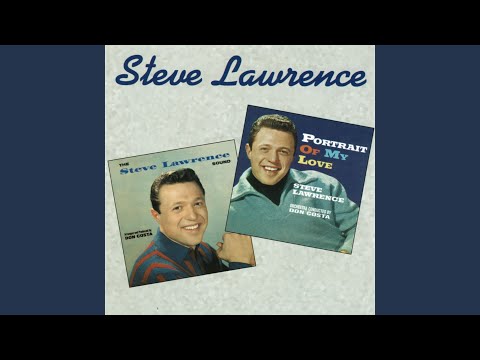

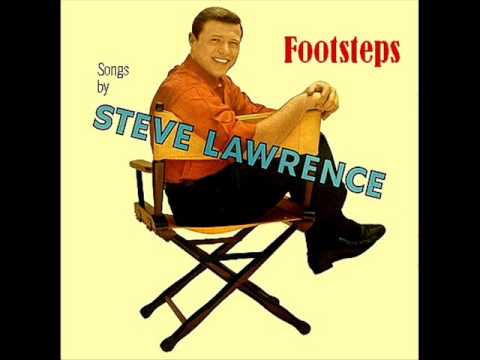
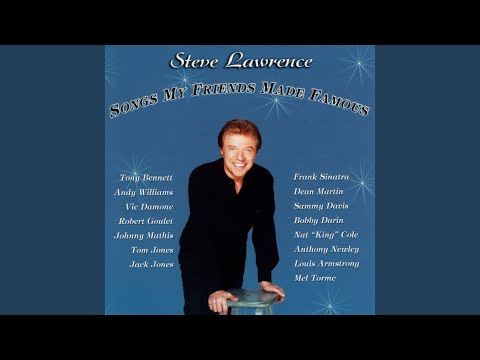
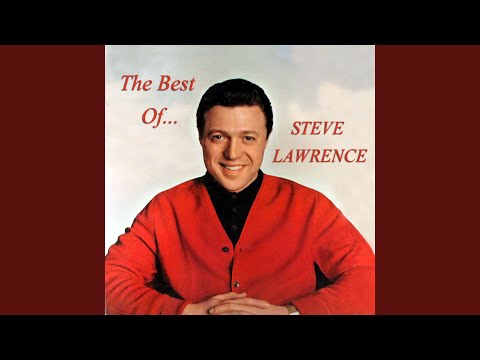
→ More from the 1950s File
View all 1950s hits →


Keep digging