The 1950s File Feature
Everybody Likes To Cha Cha Cha
Everybody Likes To Cha Cha Cha by Sam Cooke Travel back to 1959, the twilight of the decade that birthed rock and roll, when the airwaves brimmed with dance …
01 The Story
"Everybody Likes To Cha Cha Cha" by Sam Cooke
Travel back to 1959, the twilight of the decade that birthed rock and roll, when the airwaves brimmed with dance crazes and the smooth new sound of soul was just beginning to take shape. At the center of that emerging revolution stood Sam Cooke, possessor of one of the most effortlessly beautiful voices popular music has ever known. This breezy, danceable single found him crafting an irresistible invitation to the dance floor, his honeyed voice gliding over a Latin-tinged rhythm.
The Birth of Soul
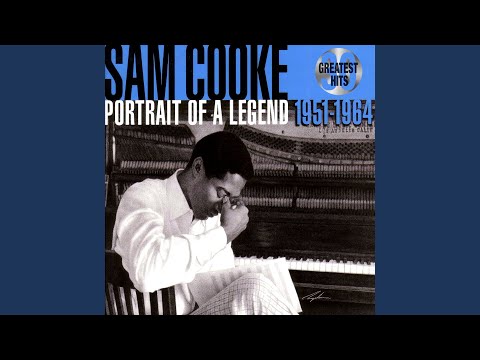
Sam Cooke was a pivotal figure in the development of soul music, a singer who brought the emotional power of gospel into secular pop with unmatched grace. He had risen to fame as the lead voice of the gospel group the Soul Stirrers before crossing over to pop, where his smooth, sophisticated style and gorgeous tone made him a star. By 1959 he was scoring a string of hits and establishing himself as one of the most important and influential voices of his generation, a true pioneer of the genre he helped create.
A Dance Craze in Song
This single rides the wave of the cha-cha-cha, the Latin dance craze that swept American popular music in the late 1950s. The song is bright, rhythmic, and irresistibly upbeat, built around Cooke's effortlessly charming vocal and a groove tailored for dancing. It showcases the lighter, more playful side of his artistry, a contrast to the deeper emotional ballads he could also deliver. The track captures the era's fascination with Latin rhythms and its endless appetite for new dances.
A Solid Showing on the Hot 100
The single performed respectably on the national chart. It debuted on the Billboard Hot 100 on March 9, 1959, at number 66, and climbed through the spring weeks. It peaked at number 31 during the week of April 20, 1959, and enjoyed a healthy run of thirteen weeks on the chart. That performance added another hit to Cooke's growing catalog during a remarkably productive period, confirming his consistent appeal with the record-buying public of the late 1950s.
The Voice That Changed Everything
It is hard to overstate Cooke's importance to the music that followed him. His clear, agile tenor and his gift for phrasing influenced virtually every soul singer who came after, from the giants of Motown to the great voices of the 1970s and beyond. He demonstrated how the emotional intensity and spiritual conviction of gospel could be channeled into popular song without losing any of its power, opening a path that countless artists would walk. Even on a lighthearted dance number like this one, you can hear the qualities that made him revolutionary: the effortless control, the warmth, the sense that the voice itself was an instrument of rare and natural beauty.
A Legacy Beyond Measure
Sam Cooke's career was tragically cut short when he died in 1964 at the age of just thirty-three, but in his brief life he produced an extraordinary body of work and reshaped American music forever. He is remembered not only for his sublime voice but for his pioneering role as a Black artist who controlled his own business affairs, and for timeless recordings like the immortal civil rights anthem "A Change Is Gonna Come." This lighter dance number represents one charming facet of his vast and influential artistry.
Why It Still Delights
For admirers of Sam Cooke and of late-1950s pop, this single offers the pure pleasure of hearing one of music's greatest voices in a joyful, danceable mode. The charm and ease of his singing remain utterly captivating. Press play and let that golden voice and bright rhythm sweep you onto the dance floor, a delightful reminder of why Sam Cooke is counted among the most beloved singers in American history.
"Everybody Likes To Cha Cha Cha" — Sam Cooke's singular moment on the 1950s charts.
02 Song Meaning
The Meaning Behind "Everybody Likes To Cha Cha Cha"
This is a song about the universal joy of dancing, a cheerful celebration of a craze that had everyone moving in the late 1950s. Its meaning is simple and infectious, an invitation to join the fun and surrender to the rhythm. There is no deep narrative here, only the pure pleasure of music, movement, and shared good times.
A Universal Invitation
The very title makes the song's message plain: everybody likes to do this dance, so you should too. The lyric functions as a warm, inclusive invitation, urging listeners of all kinds to get up and join in. That sense of universal participation is central to its appeal, framing the dance as something that brings people together regardless of who they are. The joy it describes is meant to be shared.
The Dance Craze Phenomenon
The song reflects the late-1950s obsession with dance crazes, a time when new dances swept the nation and inspired countless records. The cha-cha-cha, with its Latin roots and infectious rhythm, was one of many such crazes, and this song both celebrated and fueled its popularity. The meaning is tied to that cultural moment, capturing the excitement of a nation eager to learn the latest steps and move to the newest beat.
Charm as the Message
Much of the song's meaning lives in its irresistible charm. Sam Cooke's effortless, joyful delivery transforms a simple dance number into something genuinely delightful, his voice radiating warmth and good humor. The feeling he creates, of easygoing fun and pure pleasure, is itself the point. The song does not need a complex message because its joy communicates everything it wants to say.
Music as Connection
Beneath the lighthearted surface lies a gentle truth about the power of music to unite people. Dancing together has always been a way for communities to connect and celebrate, and the song taps into that ancient human pleasure. By inviting everyone to the floor, it affirms the joyful, communal spirit that the best dance music has always embodied.
Why It Resonated
The song connected with listeners because its infectious joy and inclusive invitation were impossible to resist. Its climb to number 31 on the Hot 100 reflected the broad appeal of both the dance craze and Cooke's irresistible charm. The meaning endures because the simple pleasure it celebrates, the joy of dancing together, never goes out of style, delivered here by one of the most beloved voices ever recorded. Long after the cha-cha-cha faded as a craze, the warmth and invitation at the heart of this song remain as fresh and welcoming as ever, calling each new listener onto the floor with the same easy charm.
→ More from Sam Cooke
View all Sam Cooke hits →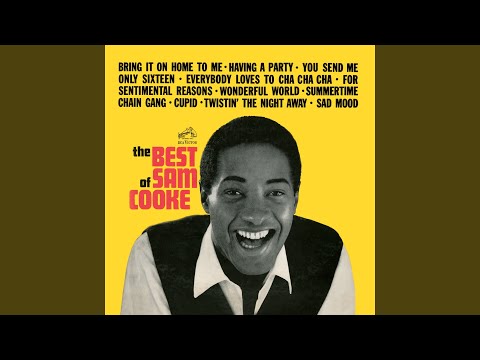



→ More from the 1950s File
View all 1950s hits →

Keep digging