The 1950s File Feature
Don't Pity Me
The Doo-Wop Ache of Don't Pity Me by Dion The Belmonts Picture the very end of 1958, when doo-wop ruled the street corners and the radio, and a group of youn…
01 The Story
The Doo-Wop Ache of "Don't Pity Me" by Dion & The Belmonts
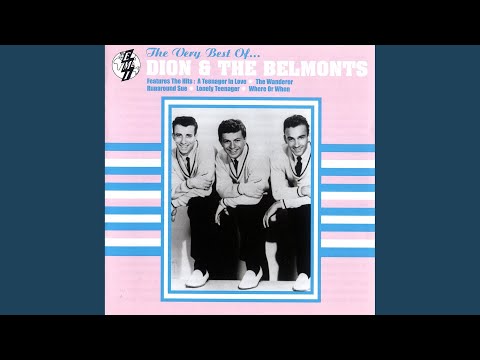
Picture the very end of 1958, when doo-wop ruled the street corners and the radio, and a group of young singers from the Bronx were becoming one of the most beloved vocal acts in America. Dion & The Belmonts brought a smooth, emotional blend of harmonies and lead vocals to a string of hits that captured the romance and heartbreak of teenage life. This single found them delivering a tender plea for dignity in the face of lost love, set to their signature lush harmonies.
Bronx Harmonies Take the Nation
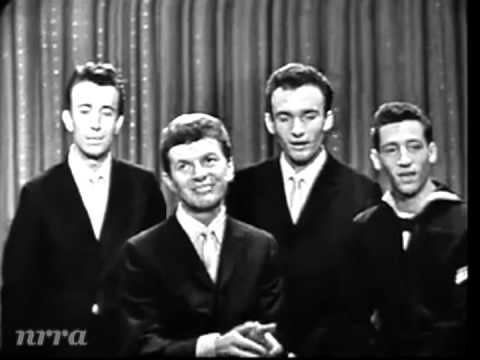
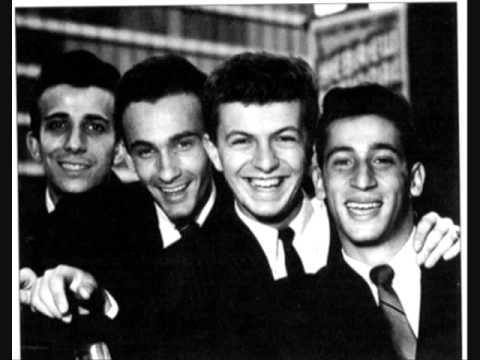
By the close of 1958, Dion & The Belmonts were on the rise, a quintessential doo-wop group whose blend of streetwise charm and emotional sincerity connected with young audiences across the country. Fronted by the charismatic Dion DiMucci, the group combined polished vocal harmonies with the raw feeling of teenage romance. They were part of a vibrant New York vocal-group scene, and their records captured the sound of an era when young voices and close harmonies could conquer the charts.
A Tender Plea Set to Harmony
The song is built on the group's rich, layered harmonies and Dion's expressive lead vocal. It carries the bittersweet emotional quality that defined the best doo-wop, a sound at once romantic and aching. The arrangement is gentle and melodic, framing a lyric about wounded pride and the desire to be respected rather than pitied. The interplay between Dion's lead and the Belmonts' backing vocals creates the warm, enveloping texture that made the group so beloved among fans of the style. Every harmony feels carefully placed, the voices weaving together to lift the emotion of the lyric and surround it in a soft, supportive glow.
A Modest Chart Showing
On the Hot 100, the single made a respectable if modest appearance. It charted in the final days of 1958 and into the new year, sitting at number 55 in late December and reaching its peak of number 51 on January 12, 1959. It slipped to number 53 the following week and spent five weeks on the chart in total. While not among the group's biggest smashes, the song added to their growing catalog of hits during a period when they were among the most popular vocal acts in the country.
The Sound of the Street Corner
To understand this song, you have to picture the world that produced it: the street-corner harmony tradition of late-1950s urban America. In neighborhoods across cities like New York, young people gathered to sing, blending their voices into rich, intricate harmonies with nothing but their vocal cords and a shared love of melody. Doo-wop emerged directly from that culture, and Dion & The Belmonts carried its authenticity onto record. You can hear the street corner in the song's layered vocals, the sense of friends harmonizing together for the sheer joy and emotion of it. That grassroots origin gave the music a warmth and intimacy that studio polish alone could never provide, connecting the record to a vibrant communal tradition that defined the era's youth culture.
A Piece of Doo-Wop History
This single stands as part of the impressive body of work that made Dion & The Belmonts legends of the doo-wop era. The group would score several enduring classics before Dion launched a successful solo career, and their harmonies remain a touchstone of late-1950s pop. This track captures the tender, heartfelt quality that defined their sound, a reminder of a time when close vocal harmonies expressed the deepest feelings of young love. For fans of the era, it remains a lovely listen and a window into one of pop music's most cherished and influential styles.
Press play and let those harmonies wrap around you: a tender, heartfelt plea from one of doo-wop's finest groups.
"Don't Pity Me" — Dion & The Belmonts's singular moment on the 1950s charts.
02 Song Meaning
What "Don't Pity Me" by Dion & The Belmonts Really Means
This is a song about wounded pride and the desire to keep one's dignity after a romance ends. The narrator has been hurt, but more than sympathy, he wants respect. The title says it plainly: do not pity me. It is a plea to be seen as strong rather than pathetic in the wake of heartbreak.
Dignity After Heartbreak
At its core, the song is about preserving self-respect. The narrator refuses to be an object of pity, insisting on his dignity even though he is clearly hurting. That desire to hold one's head high after a painful loss is deeply human, a refusal to let heartbreak diminish one's sense of self. The song captures the proud determination not to be seen as broken.
Hidden Pain Behind the Pride
Beneath the request for respect lies genuine sorrow. The very fact that the narrator must ask not to be pitied reveals how much he is suffering. That tension between the brave face and the aching heart gives the song its emotional depth. Dion's tender delivery lets both feelings show, the pride and the pain coexisting in a single, heartfelt plea. It is a portrait of someone trying to stay strong.
The Emotional World of Doo-Wop
The song reflects the romantic intensity of the doo-wop era, a time when young love and heartbreak were treated with utter seriousness. The lush harmonies amplified the emotion, turning personal feelings into something grand and shared. This song fit perfectly within that world, giving voice to the wounded pride that so many young listeners recognized from their own romantic disappointments.
The Universal Fear of Looking Weak
Beneath the romance, the song taps into a deep human fear of appearing weak or pathetic. The narrator's insistence on respect reveals how much we dread being seen as broken in front of others, especially in the raw aftermath of rejection. That instinct to protect our pride, to control how others perceive our pain, is something nearly everyone recognizes. The song gives voice to that quiet struggle with remarkable tenderness, treating the desire for dignity not as arrogance but as a fragile, understandable form of self-protection. In doing so, it touches on something timeless about how people cope with heartbreak and the masks they wear to survive it.
Why It Resonated
The song connected because its mix of pride and pain is universally felt. Anyone who has tried to stay strong after a breakup understands the desire to be respected rather than pitied. The song gave voice to that complex feeling with tenderness and beautiful harmonies. That emotional honesty is why it resonated with the era's young audience, a heartfelt reminder that even in heartbreak, people long to keep their dignity intact.
→ More from Dion & The Belmonts
View all Dion & The Belmonts hits →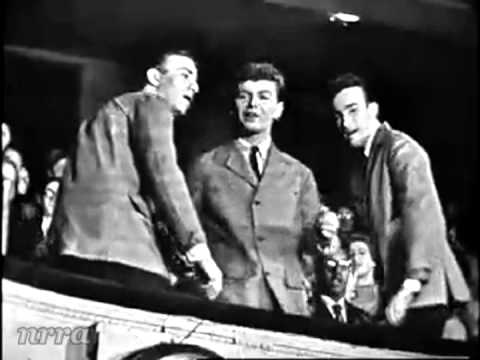

→ More from the 1950s File
View all 1950s hits →


Keep digging