The 1950s File Feature
Dream Lover
Dream Lover: Bobby Darin and the Making of a 1959 Rock and Roll Classic Bobby Darin arrived at "Dream Lover" having already demonstrated that he was one of t…
01 The Story
Dream Lover: Bobby Darin and the Making of a 1959 Rock and Roll Classic
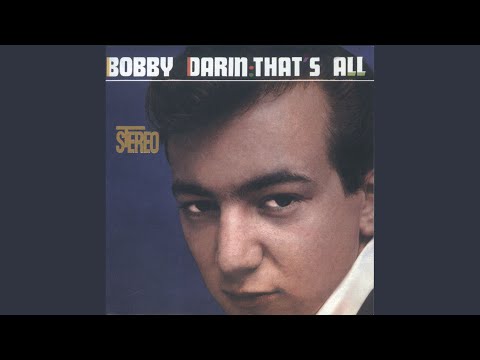
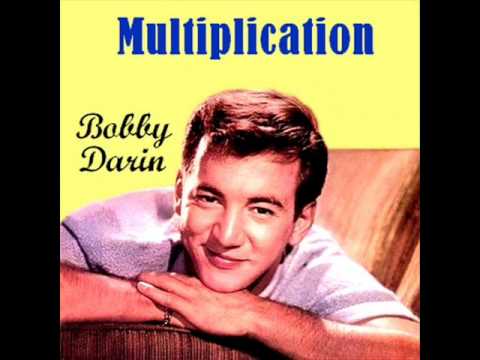
Bobby Darin arrived at "Dream Lover" having already demonstrated that he was one of the more versatile and commercially astute performers of the transitional era between the first wave of rock and roll and the polished pop that would come to dominate the early 1960s. His 1958 recording "Splish Splash" had established him as a credible rock and roll act capable of generating genuine youth-market excitement, while his subsequent recordings had begun to hint at the broader pop and jazz ambitions that would define the later phases of his career. "Dream Lover" represented a synthesis of those impulses: energetic enough to satisfy the teenage audience that had embraced "Splish Splash," yet sophisticated enough in its arrangement to suggest the adult cabaret and pop market Darin was already beginning to court.
Darin wrote "Dream Lover" himself, which was relatively unusual for the late-1950s pop market where even artist-identified performers typically recorded material supplied by professional songwriters from Tin Pan Alley or the emerging Brill Building scene. His authorship gave the recording a personal dimension and demonstrated songwriting talent that complemented his performing abilities and set him apart from contemporaries who relied more heavily on external material. The song was recorded for Atco Records, the Atlantic subsidiary that had been Darin's label home since the beginning of his recording career.
"Dream Lover" reached number 2 on the Billboard Hot 100 upon its release in 1959, held from the top position during one of the most competitive chart periods of the early rock era. The single was an international success as well, charting prominently in the United Kingdom and other markets where American rock and roll had been generating significant commercial interest through the late 1950s. Its success confirmed Darin's status as a genuine star rather than a one-hit novelty act and created the commercial foundation from which he would launch the most adventurous artistic move of his early career.
The production of "Dream Lover" was handled with the energetic but polished sound that Ahmet Ertegun and the Atlantic/Atco organization had developed for their pop and rhythm-and-blues recordings. The arrangement featured prominent guitar work, a driving rhythm section, and the kind of carefully constructed vocal performance that demonstrated Darin's technical training and natural musicality. The recording was produced by Ahmet Ertegun and Jerry Wexler, the legendary Atlantic team whose ears for commercial potential and production quality had already shaped some of the most important American popular music of the decade.
The timing of "Dream Lover" in the spring and summer of 1959 was commercially significant. American pop music was in an unusual state of transition: Little Richard had temporarily retired from rock and roll for religious reasons, Elvis Presley was completing his Army service in Germany, Chuck Berry was facing legal difficulties, and Buddy Holly had been killed in the February plane crash that also claimed Ritchie Valens and The Big Bopper. The first generation of rock and roll icons was largely absent from the market, creating an opening for versatile performers like Darin who could serve the youth market without carrying the confrontational energy that had alarmed parents and censors during the format's initial breakthrough.
The success of "Dream Lover" was followed within months by Darin's recording of "Mack the Knife," which reached number 1 on the Hot 100 and completely reoriented his commercial identity toward the adult pop and traditional standards market. In retrospect, "Dream Lover" can be understood as the final major statement of Darin's rock-adjacent phase, the commercial peak of his appeal to an audience defined by teenage sensibility before he deliberately pivoted toward a different demographic and a different artistic ambition.
The single sold over one million copies, earning gold certification and adding to the commercial foundation that allowed Darin to negotiate from a position of strength in his subsequent career moves. His ability to walk away from the youth market at the height of his appeal to it, rather than continuing to mine it for diminishing returns, reflected an artistic self-awareness that was unusual among performers of his generation and that contributed to the career longevity that distinguished him from many of his contemporaries.
Critical reception at the time was positive within the trade press, with Billboard and Cashbox both recognizing the single's commercial quality and Darin's vocal performance. The broader cultural commentary that would later assess Darin as one of the most underrated performers of his era had not yet developed, but the commercial evidence was clear: "Dream Lover" was a major record made by a major talent at the peak of a specific commercial moment, and its success reflected real artistic achievement rather than simple luck or trend-following.
The song's place in the history of the early rock era is secure as a representative example of what the pop-rock transitional sound of 1959 could achieve at its most polished and commercially effective. It captures a specific cultural moment with genuine artistry and remains a reliable example of why Bobby Darin's reputation has endured long after many of his contemporaries have been largely forgotten.
02 Song Meaning
The Meaning Behind Dream Lover: Idealized Romance and the Late-1950s Teenage Imagination
"Dream Lover" belongs to one of the most enduring traditions in popular song: the articulation of longing for an idealized romantic partner who does not yet exist in the narrator's life. The song's narrator describes not a specific person he has known and lost but an imagined figure, a dream companion whose qualities he can only project in the abstract because he has not yet encountered her in reality. This longing for an ideal rather than a memory gives the song a quality of pure, uncomplicated romanticism that is entirely appropriate to its late-1950s teenage audience.
Bobby Darin's vocal interpretation of this material is crucial to its emotional success. He performs the song's romantic longing with a sincerity that is not naive but genuinely felt, communicating desire without irony in a manner that was entirely natural to the pop-rock idiom of 1959 and that would have struck a different, more knowing pose as being beside the point. The directness of the emotional performance is part of what makes the recording enduring; there is nothing self-conscious about Darin's engagement with the material, and that absence of self-consciousness allows the listener to engage without the mediation that a more sophisticated stance would create.
The "dream" in the song's title and content is specifically romantic in a way that was both conventional for its era and genuinely meaningful within the emotional world of its intended audience. For teenagers in the late 1950s, the fantasy of a perfect romantic partner was an active and emotionally central one, and popular music served as both a medium for exploring that fantasy and a social technology for sharing it. Songs like "Dream Lover" provided a language for experiences that adolescents recognized as important but had limited tools for articulating in their own words.
The song participates in a tradition of romantic idealism that connects the late-1950s pop era to the Tin Pan Alley ballads that preceded it and to the romantic songs that have characterized virtually every popular music genre since. The specific language and production sound are period-specific, but the emotional content is essentially timeless: the experience of wanting to love and be loved by someone who has not yet appeared is as universal as any human experience can be.
Within Darin's catalog, "Dream Lover" represents the romantic dimension of his early work in its purest form. Unlike the novelty energy of "Splish Splash" or the adult sophistication of the "Mack the Knife" direction he was about to pursue, "Dream Lover" occupies a middle ground that is neither childishly playful nor artificially mature. It presents Darin as a romantic actor of genuine feeling, someone who could inhabit the emotional world of the teenage love song without condescension and without the performance of toughness that other rock-adjacent performers of the era felt necessary to maintain their credibility.
The song also represents a specific cultural moment in which romantic love was understood as fundamentally aspirational: something to be pursued, earned, and cherished rather than complicated by the more ambivalent attitudes toward commitment that would characterize subsequent decades' popular music. This uncomplicated romanticism is not without its own kind of complexity, as the dream-lover concept acknowledges that real relationships are inadequate substitutes for the idealized connections we imagine, but it holds that complexity lightly, choosing to celebrate the aspiration rather than interrogate its foundations. That choice is appropriate to the song's era and to its audience, and it gives "Dream Lover" an emotional warmth that has sustained its appeal across more than six decades of cultural change.
→ More from Bobby Darin
View all Bobby Darin hits →


→ More from the 1950s File
View all 1950s hits →


Keep digging