The 2000s File Feature
Who Let the Dogs Out?
The Barking Phenomenon: Unraveling "Who Let the Dogs Out?" by Baha Men Picture this: it's the late '90s, and the world is buzzing with the infectious energy …
01 The Story
The Barking Phenomenon: Unraveling "Who Let the Dogs Out?" by Baha Men
Picture this: it's the late '90s, and the world is buzzing with the infectious energy of Caribbean rhythms and pop anthems. Out of the Bahamas comes the Baha Men, a group already seasoned in the island music scene, known for their high-energy takes on goombay and funk. But nothing could prepare anyone for the sheer chaos of "Who Let the Dogs Out?" – a track that turned a simple question into a global earworm. Released in 2000, this song didn't just climb charts; it infiltrated sports stadiums, wedding dances, and even political rallies. As someone who's spent years digging into one-hit wonders, I can tell you, this one's story is equal parts mystery, serendipity, and undeniable groove.
The Roots of the Riddle: Creation Context and Anecdotes
The song's origins trace back to 1998, when producers Keith Crouch and Brian Cox – fresh off work with artists like Brandy – were experimenting in a Los Angeles studio. They drew inspiration from a 1997 track called "Doggie" by the Jamaican group Anslem Douglas, which had that playful, repetitive hook about dogs running wild. But the Baha Men version? That's where the magic – or maybe the madness – happened. Frontman Joseph "Riz" Spalding recalls how the group was handed the demo during a session in Nassau, Bahamas. They were supposed to record a more polished take, but things got loose. One anecdote that always makes me chuckle: during rehearsals, the band members started barking like actual dogs to nail the ad-libs, turning the studio into a makeshift kennel. It was all about capturing that raw, party-starting vibe, born from the islands' love for call-and-response chants and highlife beats. Crouch later shared in interviews that the lyrics were never meant to be deep – just a fun jab at overzealous women at clubs, or so the story goes. Yet, its ambiguity let everyone project their own wild interpretations onto it.
Studio Shenanigans: Recording Circumstances
Recording took place in a whirlwind of sessions split between LA and the Bahamas, under the umbrella of Atlantic Records. The Baha Men, with their eight members including drummers, horn players, and vocalists, brought a live-wire energy that couldn't be faked in a sterile booth. They layered in steel drums, synthesizers, and those iconic woof-woofs using a mix of human voices and sampled effects – a nod to the digital production trends of the era. Engineer Steve "The Scotsman" MacMillan, who'd worked with everyone from U2 to TLC, helped polish the rough edges without losing the grit. Sessions ran late into the nights, fueled by conch fritters and rum punches, as the band infused their Bahamian heritage. It's that unpolished joy, I think, that made it stick – not overproduced, but bursting with life, like a beach party spilling into your speakers.
From Obscurity to Stadium Anthem: Release and Success
Initially released in mid-2000 as part of the Rugrats in Paris soundtrack, the song simmered before exploding. Atlantic pushed it hard with radio play and a music video featuring the band in dog suits, chasing chaos through city streets. By July, it hit No. 40 on the Billboard Hot 100, but the real breakout came via sports. Adopted as an unofficial fight song by teams like the Atlanta Braves and even the US Women's Soccer Team at the Olympics, it became inescapable. Peaking at No. 6 in the US and topping charts in Australia and the UK, it sold over 4 million copies worldwide. The Grammys nodded to it with a Best Dance Recording win in 2001 – ironic for a group that was essentially unknown before this. Success brought tours, but also the one-hit label; the Baha Men chased follow-ups, yet nothing barked as loud.
Barking Through Generations: Cultural and Musical Impact
"Who Let the Dogs Out?" reshaped pop culture in ways that still echo. It embodied the Y2K era's carefree spirit, soundtracking everything from Shrek cameos to viral memes. Musically, it bridged dancehall, pop, and hip-hop, influencing later party tracks like those from LMFAO. Culturally, it sparked debates – was it misogynistic? Empowering? Mostly, it just got people moving, uniting generations at barbecues and ballgames. For the Baha Men, it put Bahamian music on the map, boosting tourism and pride back home. Even today, hearing those barks at a game stirs that primal urge to howl along. It's a reminder that sometimes, the simplest hooks unleash the wildest legacies.
02 Song Meaning
Unleashing the Chaos: The Enduring Bark of "Who Let the Dogs Out?" by Baha Men
In the summer of 2000, as the world geared up for a new millennium hangover, Baha Men's "Who Let the Dogs Out?" burst onto the scene like a pack of rowdy strays crashing a quiet neighborhood block party. This Bahamian group's infectious calypso-infused track wasn't just a one-hit wonder; it became the anthem of unbridled energy, echoing through sports arenas, wedding receptions, and late-night drives. But beneath the repetitive, howling chorus lies a sly commentary on social dynamics, wrapped in a rhythm that demands you move.
Main Themes: Calling Out the Undesirables
The lyrics zero in on a party vibe gone awry, where the narrator spots a group of women labeling men as "ugly women" or "just a bunch of fools." It's a playful yet pointed jab at gender tensions, with the "dogs" emerging as a metaphor for disruptive, unwanted male behavior. The repeated question—who let them in?—highlights themes of intrusion and exclusion, like gatekeeping a space from those who don't belong. There's a cheeky empowerment here, especially from a female perspective, flipping the script on catcalling and objectification. It's not deep philosophy, but it captures that universal frustration of a good time soured by pests.
Artistic and Emotional Message: Joy in the Jolt
Artistically, Baha Men channels Junkanoo festival roots into a global pop earworm, blending steel drums with hip-hop beats to create pure escapism. The message? Let loose, reclaim your space, and bark back. Emotionally, it's a jolt of communal release—sing it loud, and suddenly you're part of the pack, shaking off inhibitions. For me, hearing it now stirs a nostalgic grin, reminding how music can turn annoyance into alliance.
Social and Cultural Context: Y2K Party Fever
Dropped in the tail end of the '90s boom, amid Clinton-era optimism and pre-9/11 innocence, the song rode the wave of feel-good dancehall and Caribbean crossovers. It soundtracked the Rugrats in Paris movie, cementing its family-friendly chaos, while FIFA and NFL adopted it for hype. Culturally, it mirrored a shift toward multicultural pop, with Baha Men's island flair breaking into mainstream amid rising interest in global sounds. In an era of boy bands and divas, this track was a wild card, celebrating irreverence when conformity ruled the charts.
Metaphors and Symbolisms: The Pack Mentality
Those "dogs" aren't just literal mutts; they're symbols of unchecked masculinity—leering, howling interlopers in a feminine domain. The metaphor draws from street slang, where "dog" means a sleazy guy, and the "letting out" evokes releasing primal urges. Symbolically, it's about boundaries breached, yet the upbeat tempo subverts any darkness, turning critique into carnival. No overthinking needed; it's raw, like a dog's joyful bound after escaping the yard.
Emotional Impact: A Howl That Sticks
Listeners feel it viscerally—the build-up of frustration melting into cathartic shouts. It's empowering for those who've been "dogged" in real life, hilarious for everyone else. Two decades on, it still sparks instant sing-alongs, a reminder of music's power to unite in absurdity. In a world that often feels too buttoned-up, this song invites you to let the dogs out—and laugh while you do.
→ More from the 2000s File
View all 2000s hits →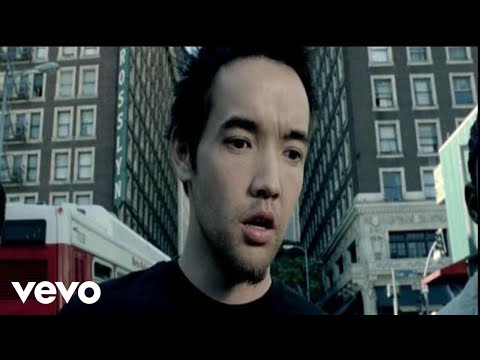




Keep digging