The 1990s File Feature
Another Day In Paradise
The Heartbreaking Echo of "Another Day in Paradise": Phil Collins' Call to the Homeless Picture this: it's the late 1980s, and Phil Collins, fresh off the ma…
01 The Story
The Heartbreaking Echo of "Another Day in Paradise": Phil Collins' Call to the Homeless
Picture this: it's the late 1980s, and Phil Collins, fresh off the massive success of his solo career and Genesis, is grappling with the world's harsh realities. The streets of London and New York are littered with the homeless, a sight that hits him hard during his endless tours. That's the spark for "Another Day in Paradise," a 1990 track that became his biggest hit, topping charts worldwide and earning him a Grammy. But behind the slick production lies a raw plea for empathy, born from Collins' growing frustration with indifference to poverty. I remember first hearing it as a kid, that haunting guitar riff pulling me in, making me confront the invisible struggles right outside my window. It's not just a song; it's a mirror to society's blind spots.
The Creation: A Bus Ride Revelation and a Timely Collaboration
Collins didn't wake up one morning with the melody fully formed. No, it started on a bus in Washington, D.C., during a 1980s tour. Staring out at the city's underbelly, he jotted down lyrics about a man ignoring a homeless woman's desperate plea for help. "She calls out to the man on the street, 'Sir, can you help me?'" — those words flowed from a place of genuine anger. By 1989, as he prepared his fourth solo album, But Seriously, Collins needed a collaborator to flesh it out. Enter David Crosby, the gravel-voiced CSN legend, whom Collins had met through shared circles in the music biz. They holed up in a Los Angeles studio, where Crosby's harmonies added that soulful depth, turning a sketch into an anthem. Anecdotally, Collins later admitted the song's origins felt almost accidental — he'd been toying with social themes since "Do They Know It's Christmas?" but this one hit closer, inspired by real encounters that left him sleepless. It's that personal touch, the slight imperfections in his vocal delivery, that make it so human.
Recording in the Heat of Change
The sessions for But Seriously took place at London's Power Station and A&M Studios in L.A., a far cry from the isolation of earlier albums. Collins, ever the perfectionist, layered in shimmering guitars, a pulsing bassline, and those Crosby-backed choruses that build like a rising tide of guilt. The recording wrapped amid the tail end of the '80s pop boom, with Collins pushing for a sound that blended his drum-machine precision from No Jacket Required with more organic edges. Interestingly, the track's demo featured Collins singing both parts — the pleading woman and the dismissive man — before Crosby stepped in, adding authenticity. Engineers recall the intensity: Collins would replay the homelessness footage he'd seen, ensuring every note carried emotional weight. It wasn't rushed; it was deliberate, capturing a moment when Collins was evolving from pop star to activist.
Release, Chart Domination, and a Controversial Spotlight
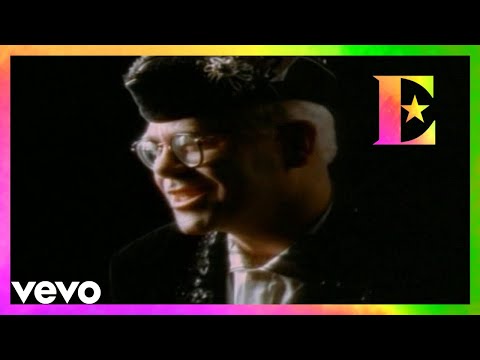
Dropped in October 1989 as the lead single from But Seriously, "Another Day in Paradise" exploded onto the scene. It shot to No. 1 on the Billboard Hot 100, holding the spot for four weeks and selling millions. Globally, it mirrored that success, becoming a staple on radio and MTV, where its stark video — Collins wandering rainy streets amid real homeless folks — amplified the message. The album went on to sell 14 million copies, but the single's triumph was bittersweet. Critics praised its timeliness, yet some accused Collins of "white savior" vibes, sparking debates on celebrity philanthropy. Still, it raised awareness, with proceeds partly funding shelters, proving music's power to stir action.
Lasting Echoes: Cultural Ripple and Musical Legacy
Over three decades later, the song's impact endures, especially among Gen Xers who grew up with its reminder of economic divides. It influenced a wave of socially conscious pop, from U2's anthems to later tracks by artists like Eminem tackling inequality. Musically, its fusion of rock balladry and subtle synths set a template for '90s hits, while covers by everyone from Bran Van 3000 to Italian rapper Mondo Marcio keep it alive. For me, it's a gut-punch — that repetitive chorus, "It's just another day in paradise," lingers like a challenge. Collins himself reflected in interviews that he hoped it'd prompt even one person to help, and in a world still wrestling with homelessness, it does. Flawed? Maybe. But undeniably moving.
02 Song Meaning
Decoding the Heartache in Phil Collins' "Another Day in Paradise"
Phil Collins' 1990 hit "Another Day in Paradise" hits like a gut punch wrapped in a melody you can't shake. It's one of those songs that sneaks up on you, starting with that haunting guitar riff and building into a plea that echoes long after the radio fades. As someone who's revisited it countless times, especially on chilly nights when the world feels a bit too indifferent, I find its raw urgency still cuts deep. Released amid the glossy pop of the late '80s, this track stands out for refusing to sugarcoat reality.
Main Themes: Indifference and the Human Cost of Poverty
At its core, the song confronts homelessness and societal neglect head-on. The lyrics paint a vivid scene of a man walking past a woman shivering on the street, her desperate cry of "Think twice" a desperate hook into our consciences. It's not just about the physical cold; it's the emotional freeze of being unseen. Collins weaves in themes of empathy—or the stark lack of it—urging listeners to question why we hurry by, lost in our own bubbles. Repetition drives this home, like the chorus that loops "another day in paradise," dripping with irony. Paradise? For whom? The song flips that word on its head, exposing the illusion of comfort for those who have it while others suffer nearby.
Artistic and Emotional Message: A Call to Feel, Not Just Listen
Collins' message is unflinching: inaction is complicity. He doesn't preach from a pedestal; instead, he embodies the bystander through the narrator's guilt-ridden voice, making it personal. Emotionally, it's a mirror—do you see yourself in that hurried figure? The duet with David Crosby adds layers, their voices intertwining like a conversation we all need to have. It's art as activism, subtle yet insistent, reminding us that music can bridge divides without needing to scream.
Social and Cultural Context: Echoes of the Late '80s Grind
Dropping in 1990, the song landed in an era of economic highs and hidden lows. The '80s Reagan-Thatcher boom celebrated excess, but cracks were showing—rising homelessness in cities like London and New York, fueled by policy shifts and urban decay. Collins, fresh off his Genesis fame, tapped into that undercurrent, much like contemporaries such as U2 or Peter Gabriel. It was a time when pop stars started wielding influence for good, and this track became an anthem for awareness, even sparking debates about celebrity do-gooderism. Culturally, it challenged the era's shiny optimism, forcing a reckoning with inequality that still resonates today.
Metaphors and Symbolisms: Streets as Mirrors of Society
The "paradise" metaphor is genius in its simplicity—our daily lives as a twisted Eden, where abundance mocks desperation. The woman's "umbrella" shielding her from rain symbolizes fleeting protection in a storm of neglect, while the man's "somewhere else to be" stands for the distractions that blind us. These aren't heavy-handed; they're everyday images that linger, turning a walk down the block into a symbol of broader apathy. Collins uses them to humanize the abstract, making poverty feel immediate and intimate.
Emotional Impact: Stirring Guilt into Action
Listening to it now, that swelling synth and urgent beat still stir a mix of sorrow and resolve in me. It evokes empathy's ache—the kind that makes you pause mid-stride, wondering about the faces you pass. For many, it's been a catalyst, inspiring donations or conversations, though its power lies in the discomfort it provokes. In a world quick to scroll past hardship, "Another Day in Paradise" demands we linger, feel the chill, and maybe, just maybe, think twice.
→ More from the 1990s File
View all 1990s hits →



Keep digging