The 1990s File Feature
Don't Know Much
The Heartfelt Harmony of "Don't Know Much": Linda Ronstadt and Aaron Neville's Timeless Duet There's something undeniably magical about a song that captures …
01 The Story
The Heartfelt Harmony of "Don't Know Much": Linda Ronstadt and Aaron Neville's Timeless Duet
There's something undeniably magical about a song that captures the raw ache of love's uncertainties, and "Don't Know Much" does just that with a tenderness that still tugs at the heartstrings. Released in 1990 by Linda Ronstadt featuring Aaron Neville, this duet turned into one of those rare tracks that lingers in the collective memory, blending soulful voices over a gentle melody. It's the kind of song that makes you pause, maybe even tear up a little, remembering your own moments of romantic doubt. As a music history buff with a soft spot for one-hit wonders, I find its story endlessly captivating—rooted in collaboration, serendipity, and a touch of pop perfection.
The Spark of Creation: A Song Born from Shared Vulnerability
The song's origins trace back to the late 1980s, a time when Ronstadt was navigating a career pivot. Fresh off her acclaimed Nelson Riddle collaborations that revived the great American songbook, she was eager to blend her versatile style with contemporary pop. "Don't Know Much," written by Barry Mann, Cynthia Weil, and Tom Snow, had been kicking around since the mid-80s. Mann and Weil, the legendary team behind hits like "You've Lost That Lovin' Feelin'," crafted it as a poignant ballad about admitting one's flaws in love—simple lyrics like "Don't know much about the French I took / But I do know that I love you" that feel disarmingly honest.
Ronstadt first heard a demo and was hooked, seeing in it a chance to explore duet dynamics. Enter Aaron Neville, whose soulful falsetto had already made him a New Orleans icon through tracks like "Tell It Like It Is." The pairing wasn't random; Ronstadt had long admired Neville's voice, calling it "like an angel's." An interesting anecdote here: during early discussions, Ronstadt reportedly insisted on Neville after hearing him on the radio, saying it needed "that pure, haunting quality" to elevate the emotion. Their voices intertwined like old friends confessing secrets, turning a solid tune into something profoundly intimate.
Recording in the Studio: Magic Amidst the Mundane
The recording happened in Los Angeles at a time when Ronstadt was balancing her artistic risks with commercial pressures. Producer David Malloy, known for his work with country crossovers, helmed the sessions at a studio that buzzed with quiet intensity. Ronstadt and Neville, both in their forties, brought lived-in wisdom to the booth—Neville drawing from his gospel roots, Ronstadt from her rock and standards background. They laid down vocals separately at first, but the real spark ignited when they harmonized live, their breaths syncing in a way that captured genuine vulnerability.
One fun behind-the-scenes tidbit: Neville, ever the gentleman from his Crescent City upbringing, arrived with a po'boy sandwich in hand, turning the session into a casual vibe that eased any nerves. The arrangement kept it simple—a soft piano intro, subtle strings swelling in the chorus—to let their voices shine. It wasn't flashy; it was heartfelt, recorded in just a few takes, but those harmonies? They were gold, evoking the warmth of a late-night confession.
Release and Rocket to the Top: From Single to Sensation
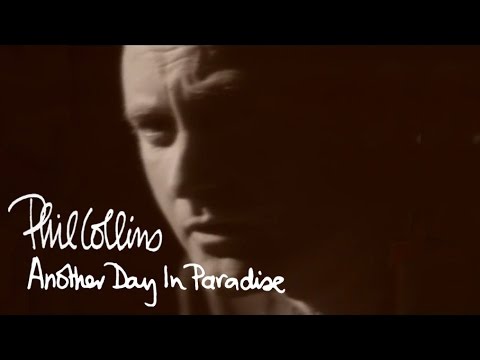
As the lead single from Ronstadt's 1989 album Cry Like a Rainstorm, Howl Like the Wind, "Don't Know Much" dropped in 1989 but exploded in 1990. Elektra Records pushed it hard, and radio stations couldn't get enough of that duet chemistry. It climbed to No. 2 on the Billboard Hot 100, held off only by the unstoppable "Another Day in Paradise" by Phil Collins. The music video, with Ronstadt and Neville in ethereal black-and-white close-ups, amplified its romantic pull, airing everywhere from MTV to adult contemporary channels.
Success came swiftly—platinum certifications, Grammy nods for Best Pop Performance by a Duo—and it marked a commercial peak for both artists. For Ronstadt, it was a bridge between her eclectic phases; for Neville, a mainstream breakthrough beyond his solo work. By summer '90, it was inescapable, soundtracking everything from road trips to first dances.
Lasting Echoes: Cultural and Musical Ripples
"Don't Know Much" left an indelible mark, especially for baby boomers and Gen Xers navigating love in an era of shifting norms. It humanized imperfection in relationships, resonating amid the glossy pop of the time—think a softer counterpoint to Whitney Houston's power ballads. Musically, it influenced duet trends, paving the way for pairs like Peabo Bryson and Regina Belle. Culturally, it's become a staple in wedding playlists and rom-com soundtracks, symbolizing enduring affection.
Looking back, what strikes me is how this song, born from two voices baring their souls, reminds us that not knowing everything about love is okay—it's the trying that counts. Ronstadt and Neville didn't just hit a chart peak; they touched something timeless, proving that vulnerability sells, but more importantly, it heals.
02 Song Meaning
Unraveling the Heartache in "Don't Know Much" by Linda Ronstadt and Aaron Neville
There's something achingly tender about Linda Ronstadt and Aaron Neville's 1990 duet "Don't Know Much." It's a song that wraps vulnerability in a smooth, soulful melody, turning personal doubt into a universal ache. As a longtime listener, I remember first hearing it on the radio during a late-night drive, and it hit like a quiet confession from an old friend. The lyrics, penned by Barry Mann, Cynthia Weil, and Tom Snow, peel back layers of insecurity in love, making it one of those tracks that lingers long after the needle lifts.
Main Themes: Doubt, Devotion, and the Limits of Knowledge
At its core, "Don't Know Much" grapples with the theme of loving despite profound uncertainty. The narrator admits, "I don't know much about baseball, I don't know much about wine", stacking up everyday ignorances like bricks in a wall of self-doubt. But it's not just trivia; it's a metaphor for feeling inadequate in the grander scheme of romance. The chorus pivots to devotion: "But I do know that I love you". This contrast highlights a deeper truth—love isn't about expertise or perfection, but about raw, unwavering commitment. It's a theme that echoes through pop ballads, yet here it's stripped down, honest, and free of pretense.
Artistic and Emotional Message: A Plea for Acceptance
Ronstadt's warm alto and Neville's velvety falsetto blend like intertwined hands, conveying a message of emotional nakedness. The artists aren't preaching; they're pleading. In a world quick to judge flaws, the song whispers that true connection thrives on what we do feel, not what we lack. It's an invitation to listeners: embrace your imperfections in love. This duet format amplifies the intimacy, turning a solo lament into a shared vulnerability that feels profoundly human.
Social and Cultural Context: Vulnerability in a Polished Era
Released in 1990, amid the glossy optimism of the late '80s transitioning to grunge's raw edge, "Don't Know Much" stood out for its sincerity. The '90s kicked off with economic highs and cultural shifts toward authenticity—think the rise of singer-songwriters over synth-pop excess. Ronstadt, a rock and country icon, and Neville, with his New Orleans soul roots, bridged genres at a time when duets like this humanized pop charts. It topped Billboard's Hot 100, resonating in an era craving real emotion amid MTV's spectacle, reminding folks that love's messiness endures beyond trends.
Metaphors and Symbolisms: Everyday Ignorance as Emotional Armor
The song's metaphors are deceptively simple, using mundane lacks—like not knowing French or the shape of the earth—as symbols for deeper relational fears. These aren't pretentious; they're relatable shields, hiding the real terror of not measuring up. The repeated "don't know much" builds like a heartbeat, symbolizing how doubt pulses through even the strongest bonds. Yet, the anchor is that singular certainty of love, a beacon cutting through the fog of inadequacy.
Emotional Impact: A Gentle Balm for the Heart
Listening to "Don't Know Much" stirs a quiet catharsis. It validates those moments when we feel small in love's vastness, offering solace without resolution. For me, it's evoked tears during breakups and smiles in reconciliations—a emotional Swiss Army knife. Its resonance lies in that soft ache, pulling listeners into a shared fragility that heals through recognition. In a noisy world, this song quiets the soul, affirming that sometimes, not knowing is the most knowing thing of all.
→ More from the 1990s File
View all 1990s hits →
Keep digging