The 1980s File Feature
Forever Mine
Forever Mine by The Motels - Learn the song meaning, the backstory and key facts, then watch the selected YouTube video.
01 The Story
The Enigmatic Allure of "Forever Mine" by The Motels
Ah, "Forever Mine" – that shimmering gem from The Motels' 1983 album Apocalypso. If you've ever felt the pull of a love that's both intoxicating and just out of reach, this track might hit you right in the chest. It's one of those songs that sneaks up on you, with Martha Davis's voice weaving through dreamy synths and jangly guitars like a late-night confession. But here's the thing: despite being a staple in their catalog, it's often overshadowed by the band's bigger hits. Still, its story is a wild ride through the underbelly of '80s new wave, full of creative sparks and near-misses that make it endlessly fascinating.
The Spark of Creation in a Shifting Scene
The Motels were riding high after their 1982 smash All Four One, with "Only the Lonely" dominating MTV and radio. But by 1983, the band was in flux. Martha Davis, the group's magnetic frontwoman, was navigating personal upheavals – a dissolving marriage, the pressures of fame, and the relentless churn of the music industry. "Forever Mine" emerged from this emotional stew during songwriting sessions in Los Angeles. Davis has shared in interviews that the lyrics were inspired by a fleeting romance, capturing that obsessive thrill of wanting someone who's forever slipping away. "It's about possession without possession," she once quipped, her words laced with that signature wry humor.
Picture this: the band holed up in a sun-baked studio, the air thick with cigarette smoke and half-finished demos. Guitarist Guy Perry and bassist Michael Goodroe were experimenting with echoing riffs that evoked the vast, lonely California coastline – a nod to the Motels' SoCal roots. Davis scribbled lyrics on napkins during late-night drives, channeling the vulnerability that made her vocals so raw. It wasn't a grand plan; it felt organic, almost accidental, born from those quiet moments when inspiration crashes in like a rogue wave.
Recording in the Heat of Transition
Recording Apocalypso was a beast. The Motels decamped to a studio in North Hollywood, but tensions simmered. Original producer Val Garay, who'd helmed their previous albums, was out; in his place, the band took a more DIY approach with engineer Wally Traugott. Sessions stretched into the wee hours, fueled by coffee and the kind of creative friction that either breaks a band or forges something unbreakable. "Forever Mine" was cut in a single intense night – Davis nailed her vocals in a few takes, her voice layered with reverb to give it that ethereal, haunting quality. The synths, courtesy of new member Scott Thurston, added a futuristic sheen, blending post-punk edges with pop accessibility.
An interesting anecdote here: during a break, Davis reportedly wandered off to a nearby beach at dawn, humming the melody to herself. She came back insisting on tweaking the bridge, adding those whispered "forever mine" refrains that make the song feel intimate, like a secret shared just with you. It was those human touches – imperfections and all – that elevated it beyond standard '80s fare.
Release, Reception, and a Bittersweet Climb
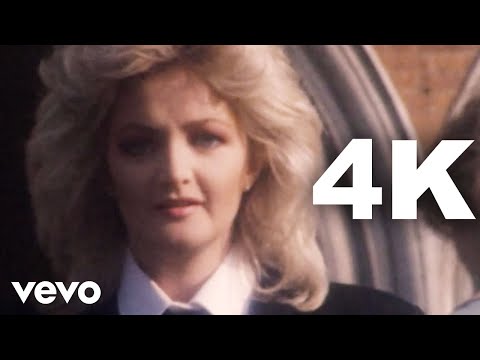
Released as the second single from Apocalypso in mid-1983, "Forever Mine" didn't explode like its predecessors. The album itself peaked at No. 32 on the Billboard 200, a far cry from the top 20 glory of before. The track charted modestly, scraping into the lower reaches of the Hot 100, but it found legs on college radio and in Europe, where its moody vibe resonated with the post-punk crowd. Capitol Records pushed it with a video heavy on shadowy visuals and Davis's piercing gaze, but internal label drama – whispers of the band being "past their prime" – stifled momentum.
Success was elusive, yet the song's quiet persistence paid off. It became a cult favorite, resurfacing in '80s retrospectives and soundtracks like Grand Theft Auto: Vice City. For the Motels, it marked a pivot; the album's underperformance led to lineup changes and a hiatus, but Davis later reflected on it as a "hidden treasure," proving their depth beyond the hits.
Echoes in Culture and Sound
Culturally, "Forever Mine" captures the '80s zeitgeist – that blend of romantic yearning and synth-driven escapism amid economic unease. It influenced a wave of female-fronted acts, from the Bangles to Concrete Blonde, showcasing how Davis's unapologetic femininity could command a stage. Musically, its structure – verse-chorus with a soaring, unresolved bridge – prefigured indie dream pop, echoing in bands like Mazzy Star. For Gen X listeners, it's pure nostalgia, evoking mixtapes and first heartbreaks, a reminder that some loves, like some songs, linger forever.
Looking back, "Forever Mine" isn't just a track; it's a snapshot of resilience. The Motels poured their souls into it, and decades later, it still whispers to us about holding on – or letting go.
02 Song Meaning
Unraveling "Forever Mine": The Motels' Haunting Ode to Eternal Bonds
In the synth-drenched haze of 1983, The Motels dropped "Forever Mine," a track that pulses with the raw ache of new wave romance. Fronted by Martha Davis's voice—part velvet, part razor—this song from their album Apocalypso captures a moment when love feels both invincible and fragile. It's not just a love song; it's a snapshot of the heart's quiet rebellion against time's pull.
Main Themes: Love's Grip and Time's Shadow
At its core, "Forever Mine" wrestles with the intoxicating permanence of love. The lyrics paint a picture of two souls locked in an unbreakable claim: "You're forever mine, and I'm forever yours." But there's an undercurrent of urgency, as if the singer knows eternity is a fragile promise. Themes of possession mingle with vulnerability—love as both a sanctuary and a cage. It's that push-pull of wanting to hold on forever, even as life whispers otherwise.
Artistic and Emotional Message: A Plea Wrapped in Defiance
Martha Davis delivers a message that's equal parts tender and defiant, urging listeners to embrace love's wild permanence. Emotionally, it's a balm for the lonely, a reminder that true connection defies the chaos. The artist's intent shines through in the song's sparse yet evocative lines, crafting an emotional blueprint for anyone who's ever whispered "never let go" in the dark. It's not saccharine; it's real, laced with the grit of human longing.
Social and Cultural Context: Echoes of 1980s Heartbreak
The early '80s were a whirlwind—MTV's glossy sheen masking the era's undercurrents of uncertainty, from Cold War tensions to shifting gender roles. New wave acts like The Motels channeled that unease into music that felt intimate yet electric. "Forever Mine" arrived amid a cultural flirtation with fleeting fame and disposable relationships, offering a counterpoint: a steadfast love in a world of synth-pop impermanence. It resonated with a generation navigating adulthood's sharp edges, where holding onto something real felt like quiet revolution.
Metaphors and Symbolisms: Threads of Infinity
The song's metaphors are subtle, woven like threads in a tapestry. "Forever" isn't just a word; it's a symbol of defiance against entropy, a clock frozen in the heat of a glance. Lines evoking shared nights and unspoken vows symbolize the invisible chains of devotion—beautiful, binding, sometimes burdensome. There's no grand imagery here, just the quiet symbolism of intertwined fates, making the abstract feel achingly personal.
Emotional Impact: A Lingering Echo in the Chest
Listening to "Forever Mine" hits like a slow-burning ember. It stirs that deep, resonant pull—the joy of being claimed, tempered by the fear of loss. For me, it evokes late-night drives with the windows down, heart swelling and breaking in equal measure. Fans still share how it anchors their memories of first loves or enduring partnerships, proving its power to echo across decades. In a fleeting world, this song reminds us why we chase forever anyway.
→ More from the 1980s File
View all 1980s hits →



Keep digging