The 1980s File Feature
I Know There's Something Going On
I Know There's Something Going On by Frida - Learn the song meaning, the backstory and key facts, then watch the selected YouTube video.
01 The Story
The Hidden Gem: Frida's "I Know There's Something Going On" and Its Electrifying Journey
In the early 1980s, the music world was buzzing with synth-pop anthems and bold reinventions, but few stories shine as brightly as that of Frida's "I Know There's Something Going On." Anni-Frid Lyngstad, the soulful voice of ABBA, stepped out from the group's harmonious shadow in 1982 with her solo album Something's Going On. This wasn't just a side project; it was Frida's declaration of independence, born from the band's quiet dissolution and her own personal upheavals. ABBA had wrapped their final album, The Visitors, amid rumors of marital strains—Frida's own marriage to Benny Andersson was crumbling. She needed something fresh, something raw. Enter Phil Collins, the drumming powerhouse from Genesis, who was riding high on his own solo wave with Hello, Gary! no, wait, Hello, I Must Be Going!. Frida reached out to him, seeking a collaborator who could channel her vulnerability into power. The song, penned by Russ Ballard of Argent fame, captured that exact tension—a tale of suspicion and simmering jealousy in a relationship, mirroring Frida's real-life emotional turbulence.
Recording in the Heart of Rock's Evolution
The recording sessions unfolded at Collins' own studio in Surrey, England, during the spring and summer of 1982. Picture this: a Swedish pop icon trading ABBA's polished precision for the gritty edge of British rock. Collins produced the entire album, drumming on most tracks himself, but for this single, he brought in his Genesis bandmate Daryl Stuermer on guitar and Phoenix horns for that punchy brass. Frida arrived with her distinctive, husky timbre, but Collins pushed her to layer harmonies in unexpected ways, creating a wall of sound that felt both intimate and explosive. One anecdote that always gets me: during a late-night session, Frida was struggling with the bridge's emotional peak. Collins, ever the empath, dimmed the lights and played a rough demo on piano. She nailed it in one take, tears streaming—later admitting it was the first time she'd truly let her post-ABBA self emerge. The track clocked in at just over four minutes, blending new wave synths with a driving beat that screamed early MTV. It wasn't ABBA's sparkle; it was Frida unchained.
From Studio to Stadium: Release and Rocketed Success
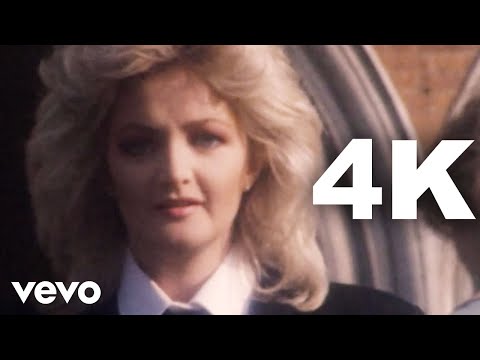
Released in 1983 as the lead single from the album, "I Know There's Something Going On" hit like a thunderclap. Atlantic Records backed it with a sleek video directed by Stuart Orme, featuring Frida in dramatic, shadowy visuals that evoked film noir—think flickering lights and unspoken accusations. It debuted in Europe, climbing charts in Sweden and the UK, but the real magic happened in the US, where it peaked at No. 29 on the Billboard Hot 100, Frida's highest solo chart position there. The album sold over a million copies worldwide, but the single? It became her defiant signature. Radio stations couldn't get enough; it was the kind of earworm that stuck, with its insistent chorus and that killer guitar riff. Success stories like this remind me how timing is everything—right as Duran Duran and Culture Club dominated, Frida's track cut through with mature, grown-up pop.
Echoes Through Time: Cultural and Musical Ripples
Culturally, the song marked a pivotal shift for ex-ABBA members, proving they could thrive beyond the group. For a generation weaned on ABBA's feel-good escapism, this was Frida revealing her depths—vulnerable yet fierce, influencing countless women in music to embrace solo reinvention. Think of it as a bridge between 70s disco and 80s empowerment anthems; its impact lingered in covers by artists like Ace of Base and even sampling nods in electronic remixes. Musically, it showcased Collins' production wizardry—gated reverb on drums that defined the era, inspiring producers from Trevor Horn to Max Martin. And here's a fun aside: Frida once shared in an interview that Ballard wrote the song about his own breakup, but when she sang it, it became hers entirely. Decades later, it still pops up in playlists for those "underrated 80s bangers," evoking that era's blend of heartache and high energy. Frida's one-hit wonder status? It's a misnomer; this track endures as a testament to resilience, pulling listeners into its swirling drama every time.
02 Song Meaning
```html
Unveiling Frida's 'I Know There's Something Going On': A 1983 Anthem of Intuition and Strength
Frida's 1982 single—often remembered as a 1983 staple—bursts with that glossy 80s synth-pop sheen, but beneath the surface, it's a raw nerve of relational doubt. As Anni-Frid Lyngstad, the ABBA voice that once harmonized sweet nothings, steps solo into this track, she channels a woman's quiet storm of suspicion. Written by Russ Ballard and produced by Phil Collins with his unmistakable gated drum punch, the song feels like a heartbeat quickening in the dark.
Main Themes: Suspicion, Intuition, and Hidden Betrayals
The lyrics paint a picture of a partner slipping away, whispers in the night, and those nagging gut feelings that won't quit. Lines like "I can see what's going on" and "You're telling lies, I know" drive home the central theme: the erosion of trust in love. It's not just paranoia; it's a sharp-eyed awakening to emotional deceit. Frida's delivery, cool yet edged with urgency, underscores this as a journey from denial to confrontation, themes that resonate in any era but hit hard in the 80s when divorce rates climbed and women began voicing their truths louder.
Artistic and Emotional Message: Empowerment Through Awareness
At its core, Frida delivers a message of quiet power—trust your instincts, even when the world gaslights you. There's an emotional undercurrent of pain mixed with resolve, like catching a thief in the act and refusing to look away. As a post-ABBA statement, it marks Frida's artistic pivot: no more fairy-tale ballads, but real-life grit. The song whispers to listeners, you know too, validating that inner voice we all sometimes ignore.
Social and Cultural Context: 80s Independence and Pop Liberation
Released amid the synth-driven optimism of the early 80s, this track arrived as feminism gained pop traction—think Madonna's bold self-assertion or the rise of women-owned narratives. Frida, fresh from ABBA's dissolution, embodied a cultural shift: the glamorous housewife archetype giving way to fierce autonomy. In a decade of excess and hidden AIDS fears, the song's theme of unspoken "somethings going on" mirrored broader societal unease, making it a subtle anthem for personal vigilance.
Metaphors and Symbolisms: Shadows and Silent Signals
Metaphors here are subtle, almost everyday: the "shadows on the wall" symbolize elusive truths, flickering like a partner's divided loyalties. "Something going on" itself is a loaded phrase, evoking secrecy without spelling it out—much like the era's glossy videos hiding deeper vulnerabilities. These symbols invite listeners to project their own secrets, turning the song into a mirror for unspoken heartaches.
Emotional Impact: A Lingering Chill of Recognition
Listening now, it still sends a shiver—the kind that confirms your worst fears while steeling your spine. Frida's voice, soaring over Collins' drums, captures that mix of hurt and defiance, leaving you empowered yet wistful. For me, it's the track that plays when you sense the shift in a friendship or romance, a reminder that intuition is our quiet superpower. In 300 words or so, it packs the punch of a therapy session, resonating across generations as a call to trust the unseen.
→ More from the 1980s File
View all 1980s hits →



Keep digging