The 1980s File Feature
Hungry Like The Wolf
Hungry Like The Wolf by Duran Duran - Learn the song meaning, the backstory and key facts, then watch the selected YouTube video.
01 The Story
The Ferocious Rise of "Hungry Like the Wolf" by Duran Duran
Oh man, if there's one song that screams the wild, neon-drenched spirit of the early 1980s, it's Duran Duran's "Hungry Like the Wolf." Released in 1982 but hitting its stride in 1983, this track wasn't just a hit—it was a cultural predator, stalking the airwaves and MTV screens, devouring everything in its path. As someone who's spent years digging into the one-hit wonder lore (though Duran Duran had more than one, this one's the beast that defined them), I can't help but get chills thinking about how five lads from Birmingham turned a simple riff into a global phenomenon. Let's prowl through its story, shall we?
The Jungle of Creation: Inspired by a Book and a Beat
It all started in the humid haze of 1981, when Duran Duran were deep in the throots of their Rio album sessions. The band—Simon Le Bon on vocals, Nick Rhodes and Andy Taylor on keys and guitar, John Taylor on bass, and Roger Taylor on drums—were riding the New Romantic wave, blending synth-pop with a dash of punk edge. But "Hungry Like the Wolf" was born from something more primal: a novel. Frontman Simon Le Bon had just devoured The Song of the Red Ruby, a gritty Icelandic thriller by Olafur Haukur Simonarson, full of pursuit and raw desire. That theme of the chase? It ignited the song's core.
Anecdote time: Nick Rhodes, the synth wizard, kicked things off with a funky bass line on his Roland Jupiter-4, inspired by the driving rhythm of Chic's disco grooves but twisted into something more urgent. Andy Taylor layered on a snarling guitar riff, mimicking a wolf's howl—literally, he was going for that animalistic snarl. Le Bon scribbled lyrics in a frenzy, drawing from the book's hunter-prey dynamic, turning it into a metaphor for lust and obsession. "In the day, we can talk, but at night, it's a different story," he sang, capturing that nocturnal hunger. The band jammed it out in their tiny studio, fueled by caffeine and the electric buzz of youth. It's funny—Le Bon later admitted the title popped into his head during a late-night walk, like the wolf itself whispering to him. Imperfect, raw, and utterly alive.
Recording in the Tropics: Sweat, Sand, and Studio Magic
Fast-forward to recording: The Duran boys jetted off to AIR Studios in Montserrat, a Caribbean paradise that felt worlds away from Birmingham's gray skies. Producer Colin Thurston, who'd helmed their debut, pushed them hard. The island's heat mirrored the song's intensity—sessions ran long, with the band sweating over every detail. Rhodes' synths shimmered like jungle humidity, while the rhythm section locked in a pulse that felt like a heartbeat accelerating. Le Bon's vocals? Delivered with a playful growl, multi-tracked for that echoing, predatory depth.
One quirky tale from the sessions: To nail the tribal drum feel, Roger Taylor banged away on congas borrowed from the island locals, blending calypso vibes into their synth-rock. And the iconic "whoa-oh" chants? Those came from the band goofing around after a beach day, half-drunk on rum punches. It wasn't all smooth—tensions flared over the mix, with Rhodes insisting on more reverb to make it "echo like a howl in the night." But that friction? It gave the track its edge, clocking in at just over three minutes of pure, unfiltered energy.
Release and Rampage: From Flop to Phenomenon
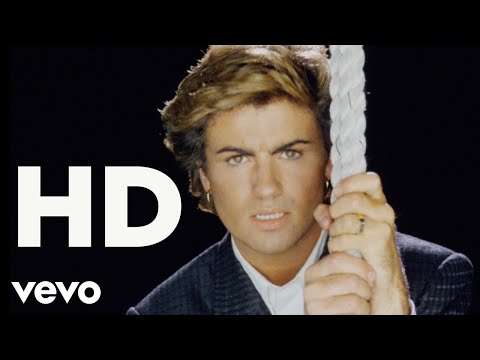
Dropped as the second single from Rio in May 1982, "Hungry Like the Wolf" initially prowled quietly, peaking at a modest No. 5 in the UK. But then came the U.S. push in 1983, timed perfectly with MTV's explosion. The Nick Rhodes-directed video—filmed in Sri Lanka's misty jungles, with Le Bon as a shirtless hunter stalking a veiled beauty—became the clip that defined the network. Exotic, sensual, and shot on a shoestring (they dodged elephants and monsoons), it aired nonstop, propelling the song to No. 3 on the Billboard Hot 100.
Sales surged—over a million copies in the States alone—and suddenly, Duran Duran were teen idols, mobbed by screaming fans. It was their breakthrough, turning Rio platinum and cementing their status as MTV kings. Without that video, who knows? It might've stayed a cult favorite.
Cultural Claw Marks: A Lasting Howl
The impact? Immense. "Hungry Like the Wolf" bridged the gap between disco's dancefloor pulse and new wave's cool detachment, influencing everyone from Madonna to modern electro-pop acts. It embodied the '80s obsession with glamour and excess, that mix of danger and desire that had girls (and guys) swooning. Generationally, it captured the MTV era's thrill—the moment music videos became art, turning passive listeners into visual voyeurs.
Even today, it prowls playlists, sampled in hits like will.i.am's tracks or covered in films. Culturally, it's a touchstone for queer icons and fashion rebels, its lyrics a sly nod to unspoken cravings. Duran Duran never quite recaptured that initial bite, but this wolf? It's eternal, reminding us how a song can hunt down your heart and never let go.
02 Song Meaning
Unleashing the Beast: The Primal Pulse of Duran Duran's "Hungry Like the Wolf"
In the neon haze of 1983, Duran Duran dropped "Hungry Like the Wolf," a track that slithered into the MTV era like a predator on the prowl. As a music lover who's spun this New Wave gem countless times, I still feel that electric thrill in its synth hooks and Simon Le Bon's urgent croon. It's more than a dance-floor staple; it's a raw dive into desire's wild underbelly, blending 80s gloss with something ancient and untamed.
Main Themes: Desire, Pursuit, and the Thrill of the Hunt
At its core, the lyrics paint a vivid chase through a steamy jungle of longing. Lines like "Dark in the city, night is a wire / Steam in the subway, earth is afire" set a scene that's equal parts urban grit and exotic fantasy. The song's protagonist stalks his prey, scenting "the perfume" on the wind, driven by an insatiable hunger. It's not just romance; it's obsession, the kind that makes your pulse race and your skin prickle. Repetition hammers it home—"In the shadows, in the shadows"—echoing the relentless beat of instinct over reason.
Metaphors and Symbolisms: From Jungle to Bedroom
The wolf metaphor is the song's beating heart, symbolizing raw, animalistic passion. Duran Duran transforms the lone wolf into a lover's archetype—fierce, solitary, yet irresistibly magnetic. "Stalked in the forest, too close to hide" evokes a primal ritual, where pursuit blurs into surrender. It's no accident this comes from an era obsessed with MTV visuals; the band's jungle-themed video amplified these symbols, turning lyrics into a cinematic fever dream. Subtly, it nods to the duality of humanity: civilized on the surface, feral beneath.
Artistic and Emotional Message: Embrace the Wild Within
Simon Le Bon and the boys craft a message that's liberating yet cautionary—give in to that hunger, but know it might consume you. Emotionally, it's a rush, stirring the listener's own buried urges. I've felt it on late-night drives, that surge of adrenaline mirroring the track's escalating tempo. It's an invitation to feel alive, unapologetically, in a world that often tamps down our fire.
Social and Cultural Context: 80s Excess and MTV's Allure
Released amid the Reagan-Thatcher boom, "Hungry Like the Wolf" captured the 80s' hedonistic vibe—youth culture reveling in glamour, synth-pop, and sexual liberation post-disco. MTV launched it into orbit, making Duran Duran poster boys for aspirational fantasy. In a time of AIDS fears creeping in, the song's unbridled sensuality felt like a defiant howl against restraint, resonating with a generation chasing thrills amid economic polish.
Emotional Impact: A Timeless Howl
Listeners still get that visceral kick—the wolf's hunger mirroring our own restless hearts. It's empowering, a reminder that desire isn't shameful; it's what makes us human. Four decades on, it prowls playlists, igniting dances and daydreams alike, proving some hungers never fade.
→ More from the 1980s File
View all 1980s hits →



Keep digging