The 1980s File Feature
So Close
So Close by Diana Ross - Learn the song meaning, the backstory and key facts, then watch the selected YouTube video.
01 The Story
The Enigmatic Glow of Diana Ross's "So Close" (1983)
There's something almost haunting about Diana Ross's "So Close," a track that slipped into the world in 1983 like a whispered secret amid her glittering career. As one of the ultimate divas, Ross was riding high from Motown glory, but by the early '80s, she was carving her own path at RCA Records. This song, tucked away on her Swept Away album, feels like a quiet rebellion against the bombast of her hits like "Endless Love." It's a one-hit wonder in the sense that it never exploded on the charts, yet it lingers in the hearts of fans who crave her more introspective side. Let me take you back to its origins, where vulnerability met studio magic.
The Creation Context: A Time of Transition and Temptation
In the early 1980s, Diana Ross was navigating a whirlwind of personal and professional shifts. Fresh off her 1981 album Why Do Fools Fall in Love, she was determined to evolve beyond the Supremes' shadow and her disco-era triumphs. "So Close" emerged from this fertile ground, co-written by Nickolas Ashford and Valerie Simpson—the legendary duo behind classics like "Ain't No Mountain High Enough." Ashford and Simpson were Ross's trusted collaborators, and they crafted this ballad during a period when Ross was exploring themes of love's fragility, perhaps mirroring her own high-profile romances and the pressures of stardom.
The song's lyrics paint a picture of emotional near-misses—"So close, yet so far"—evoking that ache of almost-there connections. Anecdotes from the era suggest Ashford drew inspiration from a late-night conversation with Simpson about fleeting relationships in the music biz. Ross, ever the intuitive artist, connected deeply; she once shared in interviews that the track reminded her of her early days in Detroit, chasing dreams that felt just out of reach. It was a deliberate pivot toward sophistication, blending soul with a touch of jazz-inflected melancholy, away from the upbeat pop that dominated her releases.
Recording Circumstances: Intimacy in the Studio
The recording happened in 1982 at RCA's studios in New York, under the production helm of Ashford and Simpson themselves. Ross arrived with her signature poise, but sessions were intimate—almost like a family affair. With a small ensemble of session musicians, including subtle strings and piano that underscore the song's wistful tone, they captured her voice in raw takes. One fun anecdote: Ross reportedly improvised a breathy ad-lib during a midnight session after a long day of rehearsals, adding that signature huskiness that makes the chorus so gripping. The production kept it simple—no over-the-top orchestration like her earlier hits—just enough space for her vocals to breathe, reflecting the era's shift toward more personal R&B.
It wasn't all smooth; Ross was juggling a tour schedule, and there were whispers of creative tensions as she pushed for a more vulnerable delivery. Yet, those late hours paid off, resulting in a track that's less about spectacle and more about soul-stirring subtlety.
Release, Success, and a Quiet Legacy
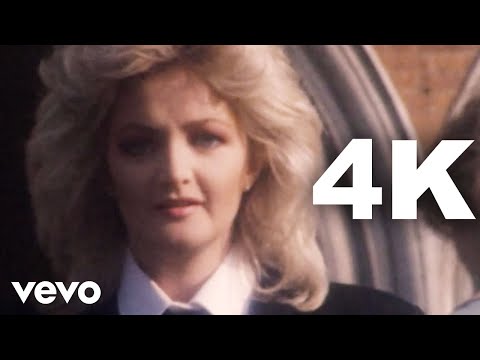
"So Close" dropped as the lead single from Swept Away in October 1983, backed by a moody video that showed Ross in ethereal, rain-slicked scenes—symbolizing emotional storms. It peaked at No. 40 on the Billboard Hot 100, a modest showing compared to her smashes, but it resonated on R&B charts, hitting No. 13. Radio play was steady, especially in urban markets, where fans embraced its honesty. The album itself fared better in Europe, but the single became a sleeper hit, often rediscovered on compilations.
Its success was bittersweet—Ross was promoting it amid personal upheavals, including her divorce—but it solidified her versatility. Interestingly, it was remixed for clubs, giving it a dance-floor afterlife that extended its reach.
Cultural and Musical Impact: Echoes of Emotional Depth
"So Close" might not have defined the '80s like "Upside Down," but its impact ripples through soul and adult contemporary music. It influenced later balladeers like Whitney Houston, who echoed its intimate longing in tracks like "All the Man That I Need." Culturally, it captured the era's undercurrent of introspection amid Reagan-era gloss, offering a counterpoint to synth-pop excess. For Generation X and boomers, it's a nostalgic touchstone—a reminder of Ross's range, from fierce anthems to tender confessions.
Today, it pops up in playlists for rainy days or heartbreak, proving that sometimes the songs that don't scream loudest touch deepest. Ross's delivery, laced with that effortless grace, still gives me chills; it's a testament to how one quiet track can endure, pulling us into her world of almosts and what-ifs.
02 Song Meaning
```html
Unpacking 'So Close': Diana Ross's Heartfelt Ode to Near-Misses in Love
The Agony of Almost: Core Themes in the Lyrics
At its heart, "So Close" pulses with the bittersweet ache of love that's just out of reach. Diana Ross croons about a connection that's tantalizingly near yet frustratingly distant, capturing that universal frustration of emotional proximity without full embrace. Lines like "We're so close, but we're so far away" lay bare the main theme: the tension between intimacy and isolation. It's not outright rejection; it's the slow burn of potential unrealized, where hope flickers like a half-lit room. Ross weaves in vulnerability here, turning personal longing into something relatable, almost confessional.
A Message of Resilient Yearning
Artistically, Ross delivers a message that's equal parts tender and tenacious. This isn't defeatist pop; it's an emotional rallying cry, urging listeners to hold on despite the gap. The song's soulful delivery, backed by lush '80s production, amplifies this—her voice, rich and weathered, carries the weight of experience. Emotionally, it speaks to the artist's own navigation of fame and heartbreak, reminding us that closeness in love demands persistence. It's Ross at her most human, stripping away the diva gloss to reveal raw desire.
Reflections of the '80s Soul Scene
Released in 1983, amid the glittering excess of Reagan-era America, "So Close" stands as a counterpoint to the decade's synth-pop sheen. As a Black woman icon post-Supremes, Ross embodied resilience in a music industry still grappling with racial and gender barriers. The track echoes the era's R&B revival, blending Motown roots with modern polish, while subtly nodding to broader cultural shifts toward emotional authenticity. In a time of economic divides, it resonated with those feeling "close" to dreams but held back by circumstance.
Metaphors That Linger Like a Whisper
Ross's lyrics shimmer with subtle symbolism. The titular "so close" evokes physical and metaphorical spaces—a door ajar, hands almost touching—symbolizing barriers both self-imposed and external. Imagery of shadows and echoes suggests fleeting presences, like love's ghost haunting the present. These aren't heavy-handed; they're delicate, mirroring the song's theme of elusive connection. They invite interpretation, turning the track into a mirror for our own near-misses.
Echoes in the Heart: Lasting Emotional Pull
Listening to "So Close" hits like a quiet storm—gentle at first, then swelling with melancholy. It stirs that pang of recognition, whether from a faded romance or unspoken affection, leaving you suspended in empathy. Ross's emotive phrasing draws you in, fostering a deep, resonant connection that lingers long after the fade-out. In its quiet power, the song affirms our shared hunger for bridging those final inches, making the almost feel profoundly real.
→ More from the 1980s File
View all 1980s hits →



Keep digging