The 1980s File Feature
Miss Me Blind
Miss Me Blind by Culture Club - Learn the song meaning, the backstory and key facts, then watch the selected YouTube video.
01 The Story
Miss Me Blind: Culture Club's Sultry Anthem of Longing and Liberation
Ah, "Miss Me Blind" – that steamy, synth-driven gem from Culture Club's 1984 album Waking Up with the Sun. If you've ever felt the ache of a love that's just out of reach, this track hits like a summer storm. Boy George and the gang were riding high after their massive hits like "Karma Chameleon," but this one? It's a deeper cut that whispers secrets rather than shouting them. Let's dive into its story, shall we? I promise, it's as captivating as George's eyeliner.
The Spark of Creation: Post-Fame Pressures and Personal Turmoil
By 1984, Culture Club was everywhere – magazine covers, MTV rotations, the works. But behind the glamour, Boy George (real name George O'Dowd) was grappling with the weight of stardom. The song emerged during a whirlwind period of touring and recording, inspired by the push-pull of relationships strained by fame. George has shared in interviews that "Miss Me Blind" drew from his own emotional rollercoaster, blending vulnerability with defiance. Picture this: late nights in London studios, scribbling lyrics about desire and escape while the world clamored for more of their colorful pop soul.
Interestingly, the track's creation overlapped with George's evolving identity. As a queer icon in the conservative '80s, he infused the song with layers of subtext – that title alone, "Miss Me Blind," evokes a plea to be seen, truly seen, amid the blindness of societal norms. It's no accident it feels so intimate; George co-wrote it with bandmates Mikey Craig and Roy Hay, channeling their collective frustrations into something raw and rhythmic.
Recording in the Heat of the Caribbean Sun
The recording happened in the lush, laid-back vibe of Nassau, Bahamas, at Compass Point Studios – a hotspot for '80s magic, where folks like Talking Heads and Grace Jones cut their classics. Imagine palm trees swaying outside while inside, the band layered funky basslines and shimmering synths under the tropical heat. Producer Clive Langer and Alan Winstanley, fresh off Colour by Numbers, pushed for that polished yet playful sound. George's vocals? Delivered with a husky edge, almost like he was whispering confessions over a cocktail.
Anecdote time: During sessions, George reportedly clashed with studio techs over the drum machine's punch – he wanted it soulful, not robotic. One night, after a few too many rum punches (or so the stories go), he ad-libbed those sultry "oohs" that make the chorus so addictive. It was chaotic, creative bliss, capturing the band's chemistry before burnout set in.
Release, Reception, and a Chart Climb with Twists
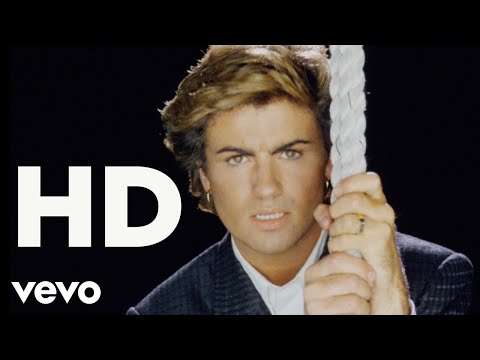
Released as the second single from Waking Up with the Sun in July 1984, "Miss Me Blind" dropped into a pop landscape dominated by synth-pop and new wave. It peaked at No. 5 on the Billboard Hot 100, a solid hit that kept Culture Club's streak alive. The video, directed by Stuart Orme, featured George in vibrant drag amid a dreamlike party scene – pure visual poetry that boosted MTV playtime.
Success wasn't without hiccups. The album itself underperformed compared to their sophomore smash, partly due to George's rising drug issues making headlines. Still, the single charmed radio stations, selling steadily and cementing its place in summer playlists. Internationally, it bubbled up charts in the UK and Europe, proving the band's global pull.
Cultural Echoes and Lasting Musical Magic
"Miss Me Blind" captures the '80s spirit – exuberant yet tinged with melancholy, a soundtrack for young dreamers navigating love and identity. It influenced the glam-pop revival, with its blend of reggae rhythms, soulful hooks, and electronic flair paving the way for acts like Scissor Sisters. Culturally, it amplified Boy George's role as a boundary-pusher; in an era of AIDS stigma and conservative backlash, the song's sensuality felt like quiet rebellion.
Generations later, it's rediscovered on vinyl hunts or TikTok edits, evoking nostalgia for a time when pop could be both fun and profound. Sure, it's not their biggest hit, but that's its charm – a hidden treasure that blinds you with its brilliance, even now. If you haven't spun it lately, do it. Feel that groove; it's timeless.
02 Song Meaning
Unveiling the Heartache in Culture Club's "Miss Me Blind"
There's something raw and electric about Culture Club's "Miss Me Blind" from their 1984 album Waking Up with the Blue Album. Boy George croons with that signature vulnerability, wrapping pain in a pop sheen that hits you right in the chest. Released at the height of the band's fame, this track isn't just a synth-driven bop; it's a confession of love's cruel illusions, the kind that leaves you questioning everything.
Main Themes: Love, Deception, and Blind Devotion
The lyrics pulse with themes of unrequited love and self-deception. Lines like "You know how to make me feel so guilty / When you cry, you always know how to play me" paint a relationship tangled in manipulation and emotional games. It's about loving someone who feeds on your weakness, where the narrator begs, "Miss me blind, miss me blind," almost daring the lover to ignore the truth. This isn't blind faith; it's the blindness we choose when desire overrides reason, a cycle of hurt that feels all too familiar in matters of the heart.
Artistic and Emotional Message: A Plea Wrapped in Defiance
Boy George's message cuts deep: love can be a beautiful trap, but recognizing it doesn't make escaping easier. Artistically, the song blends new wave pop with soulful undertones, mirroring the push-pull of the lyrics—upbeat rhythm clashing with lyrics of quiet desperation. Emotionally, it's a gut punch, urging listeners to confront their own patterns of staying in toxic bonds. George, ever the icon of authenticity, delivers it with a defiance that says, "I see you, but I can't look away."
Social and Cultural Context: 1980s Glamour and Hidden Pains
In the glittering '80s, amid MTV excess and the AIDS crisis looming, Culture Club represented bold queerness in mainstream pop. "Miss Me Blind" arrived as the band navigated fame's spotlight, with George's androgynous flair challenging norms. Yet beneath the era's synthetic optimism, the song echoes the personal struggles of love in a judgmental world—relationships scrutinized, identities blurred. It captured a generation dancing through uncertainty, using glamour to mask deeper aches.
Metaphors and Symbolisms: Eyes Wide Shut
The title itself is a brilliant metaphor: "miss me blind" evokes willful ignorance, like turning a blind eye to red flags. Imagery of tears and guilt symbolizes emotional blackmail, while the repeated plea for blindness suggests a surrender to illusion over painful clarity. It's symbolic of love as a fog, where seeing too much might shatter the dream. These layers invite you to peel back the pop surface, revealing the human frailty underneath.
Emotional Impact: A Lingering Echo of Longing
Listening now, "Miss Me Blind" stirs a bittersweet resonance. It validates the messiness of attachment, making you feel seen in your own heartbreaks. That soaring chorus? It lifts you even as it breaks you, leaving a warm ache that lingers long after the track fades. In a world quick to judge vulnerability, this song reminds us it's okay to miss what's not quite right—until you're ready to see clearly.
→ More from the 1980s File
View all 1980s hits →



Keep digging