The 1980s File Feature
No More Words
No More Words by Berlin - Learn the song meaning, the backstory and key facts, then watch the selected YouTube video.
01 The Story
The Enigmatic Pulse of "No More Words": Berlin's 1984 Synth-Pop Gem
Ah, "No More Words" – that haunting synth-driven track from Berlin that still sends shivers down my spine whenever it pops up on a retro playlist. Released in 1984, it's the kind of song that captures the neon glow of the '80s, blending emotional rawness with electronic polish. As a one-hit wonder aficionado, I find its story endlessly fascinating: a tale of love, heartbreak, and the music industry's wild ride. Let's dive into how this track came to be, from its stormy creation to its lasting echo in pop culture.
The Emotional Forge: Context of Creation
Berlin, the California-based new wave band, was riding high after their 1982 debut album Pleasure Victim, which birthed the massive hit "Sex (I'm a...)." But by 1983, internal tensions were brewing, especially around frontwoman Terri Nunn. The band's core – Nunn, guitarist David Diamond, and multi-instrumentalist John Crawford – were navigating personal dramas amid the pressure to follow up their success. "No More Words" emerged from this chaos, co-written by Crawford and producer Andy Richards as a poignant breakup anthem.
The song's lyrics, with lines like "Your heart is free now, after all the years," stemmed directly from Nunn's real-life heartache. She had recently split from a serious relationship, and the track became her cathartic outlet. Crawford, ever the synth wizard, drew inspiration from the era's electronic soundscapes, echoing influences like Depeche Mode and early Human League. It wasn't just music; it was therapy wrapped in shimmering waves of sound. Interestingly, the title was almost "No More Tears," but they pivoted to "Words" for its sharper emotional bite – a small tweak that made all the difference.
Studio Sparks: Recording Circumstances
Recording took place in the bustling studios of Los Angeles during late 1983, under the guidance of producer Martin Rushent, known for his work with The Human League. Rushent's touch was electric – he layered Crawford's bubbling bass synths with Nunn's soaring vocals, creating that signature '80s sheen. Sessions were intense; Nunn recalls pushing her voice to raw edges, sometimes clashing with the band over arrangements. One anecdote stands out: during a late-night take, Nunn broke down in tears mid-recording, infusing the final vocal with genuine vulnerability. That unfiltered emotion? It's what elevates the song from synth-pop filler to something profoundly moving.
The production wasn't without hitches. Rushent, fresh off his own battles with substance issues, demanded precision, leading to marathon overdubs. Berlin's drummer, Rod Driver, even improvised a tribal drum pattern that added an unexpected urgency, almost like the heartbeat of a fracturing romance. By early 1984, the track was polished, ready to hit the airwaves.
From Shadows to Spotlight: Release and Success
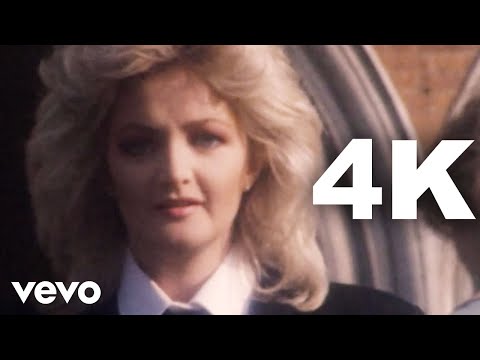
"No More Words" dropped as the second single from Berlin's sophomore album Love Life in June 1984, following the modest success of "Take My Breath Away" – wait, no, that was later. Actually, it was the lead single, peaking at No. 23 on the Billboard Hot 100. Geffen Records pushed it hard on MTV, where its moody video, directed by band member Matt Reid, featured Nunn in dramatic black-and-white shots, evoking a sense of lost love. Radio embraced it quickly, especially on the West Coast, propelling the album to gold status.
Success was bittersweet. While it charted respectably, Berlin's internal fractures deepened – Diamond left soon after, and Nunn's solo aspirations loomed. Yet, for a band teetering on the edge, it was a lifeline, cementing their place in the new wave canon.
Ripples Through Time: Cultural and Musical Impact
Culturally, "No More Words" tapped into the '80s zeitgeist of emotional synth-pop, influencing acts like Tears for Fears and even modern indie electronic like CHVRCHES. It resonated with a generation grappling with love in the MTV era, where videos amplified personal stories. For women in rock, Nunn's commanding presence broke barriers, inspiring vocalists to blend vulnerability with power.
Musically, its arpeggiated synth lines became a blueprint for countless tracks, proving that one killer hook could outlast band drama. Today, it's a staple in '80s nostalgia sets, evoking that mix of glamour and grit. And here's a fun tidbit: Nunn once shared in an interview that she bumped into an ex years later, and "No More Words" played in the background – talk about life imitating art.
Listening back, it's clear why this song endures. It's not just a hit; it's a snapshot of raw human feeling, electrified for the ages.
02 Song Meaning
Unraveling the Silence: The Meaning and Significance of Berlin's "No More Words" (1984)
There's something raw and electric about Berlin's "No More Words," a track that hit the airwaves in 1984 and still pulses with that unmistakable new wave urgency. As a synth-driven anthem from the band's platinum-selling album Love Life, it captures Terri Nunn's soaring vocals pleading for connection amid emotional chaos. Listening to it now, I feel the ache of unspoken truths, a song that strips away the fluff to demand real intimacy.
Main Themes: Love, Frustration, and the Limits of Language
At its core, "No More Words" grapples with the exhaustion of a relationship trapped in cycles of empty promises and superficial talk. The lyrics hammer home this frustration: lines like "Your heart is free and easy, talking and talking" paint a picture of a partner who's all chatter but no action, leaving the narrator yearning for something tangible. It's a theme of love's fragility, where words become weapons or walls rather than bridges. The repetition in the chorus—"No more words"—feels like a desperate mantra, echoing the universal fatigue of miscommunication in romance. Berlin doesn't just describe the pain; they make it throb, turning personal turmoil into something anthemic and relatable.
Artistic and Emotional Message: A Call to Action Over Apathy
Artistically, the song's message is a bold plea for authenticity. Nunn's delivery, laced with vulnerability and edge, conveys an emotional rawness that cuts through the glossy 80s production. It's as if Berlin is saying, enough with the facades—show me through deeds, not declarations. This resonates deeply, urging listeners to confront their own relational ruts. The emotional undercurrent? A mix of longing and liberation, where silence isn't defeat but a gateway to genuine understanding. For me, it's that cathartic release when you finally voice the unspoken, leaving you both drained and empowered.
Social and Cultural Context: Echoes of 80s Excess and Intimacy Crises
Dropping in the mid-80s, amid Reagan-era optimism and MTV's glittering visuals, "No More Words" stands out as a counterpoint to the decade's superficial sheen. The era was obsessed with image—big hair, bigger synths, and relationships glamorized in pop culture. Yet, beneath the neon, there was a quiet undercurrent of disconnection, fueled by shifting social norms and the AIDS crisis looming on the horizon. Berlin, with their Los Angeles roots and Nunn's unapologetic sensuality, tapped into this, critiquing how modern life amplified isolation. The song's significance lies in its timeliness: in a world of fast talk and fleeting connections, it demanded depth, mirroring the cultural pivot toward more honest emotional expression.
Metaphors and Symbolisms: Words as Chains, Actions as Freedom
Metaphorically, words in the song symbolize entrapment—a "web of empty phrases" that binds rather than frees. The imagery of a "heart that's free and easy" contrasts sharply with the narrator's burdened soul, suggesting a partner adrift in superficiality while the other drowns in unmet needs. Symbolism peaks in the bridge, where pleas for "passion" and "touch" evoke physicality as the true language of love, breaking the chains of verbal deceit. It's subtle yet potent, using 80s pop simplicity to unpack profound relational truths without overcomplicating.
Emotional Impact: A Lingering Resonance for the Heart
What hits hardest is the song's emotional pull—a gut-wrenching reminder of love's quiet battles. Fans from the 80s might recall dancing to it in clubs, masking tears with rhythm, while today's listeners find solace in its timeless plea amid digital-age ghosting. It leaves you reflective, perhaps even motivated to ditch the small talk in your own life. In a playlist of fleeting hits, "No More Words" endures as a heartfelt gut-check, proving that sometimes, the strongest statements come from saying less.
→ More from the 1980s File
View all 1980s hits →



Keep digging