The 1980s File Feature
I Ran (So Far Away)
I Ran (So Far Away) by A Flock of Seagulls - Learn the song meaning, the backstory and key facts, then watch the selected YouTube video.
01 The Story
The Haunting Echo of "I Ran (So Far Away)" by A Flock of Seagulls
There's something mesmerizing about a song that captures the thrill of escape, the rush of synth waves crashing like an endless ocean. "I Ran (So Far Away)," released in 1982 by A Flock of Seagulls, did just that. It wasn't just a track; it became a portal to the neon-lit dreams of the '80s. As a music history buff who's chased down one-hit wonders like breadcrumbs in the wind, I can't help but feel a pull toward this one. It's raw, it's futuristic, and it's got that inexplicable magic that turns a band from Liverpool into unwitting icons.
The Spark of Creation in a Liverpool Basement
Mike Score, the band's frontman and creative force, dreamed up "I Ran" during a restless night in 1980. Picture this: a young musician, inspired by the sprawling sci-fi vibes of movies like A Clockwork Orange and the pulsing electronic soundscapes of Kraftwerk. Score later shared in interviews that the song stemmed from a vivid image—a woman with eyes like headlights, pulling him into some otherworldly chase. It was less about literal running and more about that intoxicating mix of desire and alienation, wrapped in the New Wave era's cold, glittering edge.
The band—A Flock of Seagulls, named after a bizarre Jimmy Buffett lyric mishap—formed in 1979 amid Liverpool's post-punk scene. They weren't chasing punk's grit; they wanted something sleeker, more synth-driven. "I Ran" emerged from late-night jam sessions in a dingy basement studio, where Score tinkered with his Roland Jupiter-4 synthesizer. An interesting anecdote here: Score's wife, a hairdresser, accidentally inspired his signature haircut during this period. What started as a practical trim turned into the asymmetrical fringe that defined '80s excess—and, frankly, made the band unforgettable. Without that swoop of hair, would we even remember them? It's the little quirks that fuel legends.
Recording in the Heat of Bill Nelson's Studio
By 1981, the Seagulls had caught the eye of producer Mike Howlett, but it was Bill Nelson of Be Bop Deluxe who stepped in to helm their debut album A Flock of Seagulls. Recording happened at Ridge Farm Studio in Surrey, England—a remote countryside spot that felt worlds away from Liverpool's grit. The sessions were intense, almost feverish. Score's vocals soared over layers of echoing guitars and throbbing bass synths, all captured on 24-track tape. They chased that perfect reverb, experimenting until the track hummed with urgency.
One fun story from those days: the band nearly scrapped the song because the chorus felt flat. Nelson suggested adding a haunting guitar line, mimicking a siren—pure serendipity. Clocking in at just over five minutes, "I Ran" was polished but not overproduced, retaining that raw energy. It was the summer of '81, and as tensions brewed with the Falklands War looming, the studio became their escape hatch. Emerging from those sessions, the track felt like a bottled lightning bolt.
Release, MTV Magic, and Overnight Stardom
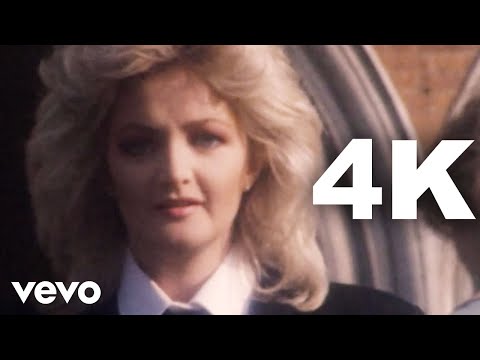
Jettison Records dropped the single in October 1982, but it was the full album's U.S. release via Atlantic Records that ignited the fire. In the UK, it bubbled at No. 43—modest. But across the Atlantic? It exploded. Peaking at No. 9 on the Billboard Hot 100, "I Ran" rode the wave of MTV's golden age. That music video, with its stark white sets and Score's hair defying gravity, became a staple. Directed on a shoestring, it featured the band "running" through futuristic voids—simple, but it hooked a generation.
Success was bittersweet. Tours followed, grueling and euphoric, but internal tensions frayed the band. Still, the single sold over a million copies, cementing their one-hit status. It's that cruel irony of fame: a song so big it overshadowed everything else.
A Lasting Echo in Culture and Sound
"I Ran" didn't just chart; it reshaped the '80s soundtrack. It bridged New Wave and synth-pop, influencing acts like Depeche Mode and even modern indie darlings like The Killers. Culturally, it's the anthem of youthful longing—think mixtapes in beat-up cars, first crushes under arcade lights. Its impact lingers in films like Grand Theft Auto: Vice City and endless '80s revivals, evoking nostalgia for a pre-digital haze.
Generational? Absolutely. For millennials rediscovering vinyl, it's a time machine. And emotionally? It tugs at that universal ache of running toward—or away from—something intangible. A Flock of Seagulls faded, but "I Ran" endures, a shimmering reminder that sometimes, one song is enough to outrun time itself.
02 Song Meaning
Unraveling the Escape: The Meaning Behind A Flock of Seagulls' "I Ran (So Far Away)"
There's something about that synth riff that hits you right in the chest, doesn't it? A Flock of Seagulls' 1982 hit "I Ran (So Far Away)" isn't just a New Wave earworm; it's a snapshot of longing wrapped in electronic haze. Released at the dawn of the MTV era, this track from their self-titled debut album captured the restless spirit of a generation chasing dreams amid economic uncertainty and cultural flux. Let's dive into its lyrics, peeling back the layers of metaphor and emotion that still resonate today.
Main Themes: Pursuit, Isolation, and Unattainable Desire
At its core, "I Ran" pulses with themes of escape and unreachable love. The narrator bolts from a stifling situation, only to be haunted by a woman's aurora-like presence. Lines like "I walked along the avenue, I never thought I'd meet a girl like you" set up an ordinary encounter that spirals into obsession. It's not just running away; it's running toward something elusive, a metaphor for the human drive to connect in a world that feels increasingly distant. The repetition of "I ran, I ran so far away" hammers home this futile chase, evoking the isolation of modern life where connections flicker like neon lights but rarely endure.
Metaphors and Symbolisms: Clouds, Auroras, and the Glowing Unknown
The imagery here is pure '80s poetry, vivid and otherworldly. The "cloud across the moon" symbolizes emotional obstruction, a barrier dimming the path to clarity or intimacy. Then there's her "aurora" beaming through, a nod to the Northern Lights—beautiful, transient, and impossible to hold. It's as if the woman embodies an idealized escape, her "golden smile" piercing the narrator's gloom like a beacon in the night. These symbols aren't accidental; they're Mike Score's way of painting desire as something cosmic and intangible, mirroring the era's fascination with space-age futurism in synth-pop. You can almost feel the chill of that cosmic distance, the way it pulls you in while keeping you at arm's length.
The Artistic and Emotional Message: A Cry for Connection in a Detached Age
Score's message feels raw, almost confessional: in a time when Thatcher-era Britain and Reagan's America promised progress but delivered alienation, this song whispers that true fulfillment lies beyond the horizon, yet it's forever out of reach. Emotionally, it's a gut-punch of yearning— that ache when you spot someone who seems perfect, only for reality to shatter the illusion. The artist's intent shines through in the soaring vocals and relentless beat, urging listeners to confront their own flights of fancy without judgment.
Social and Cultural Context: New Wave's Mirror to the '80s Soul
Picture 1982: Punk's raw edge had softened into New Wave's polished sheen, and videos ruled the airwaves. A Flock of Seagulls, with their Liverpool roots and that iconic haircut, embodied the era's blend of optimism and anxiety. Post-punk disillusionment met synth-driven escapism, reflecting a youth culture grappling with Cold War fears and consumerist gloss. "I Ran" became an anthem for dreamers in arcades and clubs, its cultural footprint amplified by MTV rotation, turning personal turmoil into shared catharsis.
Emotional Impact: A Timeless Rush of Nostalgia and Heartache
Listening now, it stirs a bittersweet rush—nostalgia for lost innocence laced with the sting of unfulfilled longing. That driving rhythm mimics the heartbeat of flight, leaving you breathless, pondering your own "auroras." For many, it's a portal to first crushes or late-night drives, its emotional pull undimmed by decades. In a fragmented world, "I Ran" reminds us that running far away might just be the closest we get to feeling truly seen.
→ More from the 1980s File
View all 1980s hits →



Keep digging