The 2020s File Feature
Lil Top
"Lil Top" — YoungBoy Never Broke Again Street Credibility at Full Volume The early weeks of March 2020 brought a particular kind of intensity to American rap…
01 The Story
"Lil Top" — YoungBoy Never Broke Again
Street Credibility at Full Volume
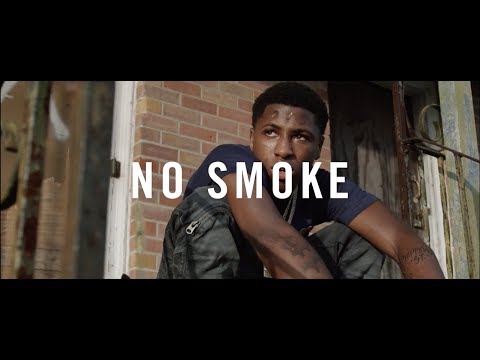
The early weeks of March 2020 brought a particular kind of intensity to American rap. The pandemic had not yet locked down the country, but there was already an electric, unsettled energy in the air, and YoungBoy Never Broke Again was channeling that same frenetic current into music at a pace his peers could barely match. Kentrell DeSean Gaulden, known professionally as YoungBoy Never Broke Again (NBA YoungBoy), had already established himself as one of the most prolific artists in hip-hop, releasing mixtapes and albums with a consistency that bordered on relentless. "Lil Top" arrived as part of that ongoing torrent, a track that crystallized his appeal to a loyal and rapidly expanding fanbase.
By 2020, NBA YoungBoy had spent several years building a following in Baton Rouge, Louisiana, the city whose street culture and sonic sensibility saturated his output. He had survived a turbulent adolescence marked by legal troubles and personal hardship, and that biography was never far from the surface of his music. Fans responded to the authenticity of that struggle, finding in his records a voice that felt unfiltered and immediate. "Lil Top" fit squarely within that tradition.
The Recording and Its Context
The track arrived during a period when YoungBoy was releasing material through Atlantic Records and Motown Records, having signed a distribution deal that gave his output wider commercial reach without blunting the rough edges of his style. The production on "Lil Top" carries the melodic trap characteristics that defined his catalog, combining minor-key synthesizer lines with hard-hitting 808 drum patterns, a formula that had proven commercially effective across the Southern rap landscape. His vocal delivery alternated between sung melodic passages and sharp, rhythmically aggressive bars, a technique he had refined over dozens of releases and that gave his records a distinctive emotional texture.
The song's title references a nickname and a persona, the kind of self-designation that functions as street biography compressed into two words. Within the broader context of his catalog, "Lil Top" reads as a statement of identity, an assertion of loyalty, dominance, and survival that his core audience recognized and amplified through streaming platforms and social media. That audience was young, deeply engaged, and accustomed to consuming YoungBoy's music in large quantities, which meant individual tracks could rise quickly on the strength of that fan infrastructure alone.
A Quick Climb onto the Hot 100
The song debuted on the Billboard Hot 100 on March 7, 2020, entering at number 28, a strong opening position that reflected the streaming muscle YoungBoy had developed over the preceding years. The Hot 100 methodology, which weights streaming numbers heavily alongside radio airplay and digital sales, had become a friendly environment for artists with large, dedicated online audiences, and YoungBoy was precisely the kind of artist this new chart ecosystem rewarded. Debuting inside the top 30 represented a genuine commercial achievement for a track that received minimal radio push.
The chart run lasted two weeks, with the song falling to position 73 on the chart dated March 14, 2020. That brief stay was typical of many YoungBoy tracks during this period: enormous opening-week streaming numbers driven by fan activity, followed by a rapid descent as the same fanbase moved on to the next release. The model prioritized volume and velocity over longevity, and YoungBoy's team understood that calculus well. Two weeks on the Hot 100 with a peak of number 28 represented a solid commercial result within that framework, confirming that his audience could mobilize quickly and effectively when new music dropped.
YoungBoy's Commercial Footprint in 2020
The early months of 2020 were particularly active for NBA YoungBoy. He was releasing music at a pace that would have been considered extraordinary for any other artist, placing multiple tracks on the Hot 100 and maintaining a level of cultural visibility that major labels spent millions trying to manufacture. His approach was almost anti-institutional: rather than pacing releases for maximum chart impact per song, he flooded the zone, keeping his name perpetually in conversation and his streaming numbers perpetually elevated. "Lil Top" was one of several Hot 100 entries from this period, part of a larger commercial output that spoke to the scale of his following.
Baton Rouge had produced distinctive rap voices before, but YoungBoy represented something newer: an artist whose entire career had been built in the streaming era, whose business model assumed that his listeners would consume music primarily through their phones, and whose relationship to the traditional album cycle was loose at best. The result was a catalog that felt almost impossibly large for someone his age, a torrent of recordings that made it difficult to isolate any single track as definitive but easy to understand why millions of listeners kept returning.
Legacy Within a Career Still in Motion
By the time "Lil Top" appeared, NBA YoungBoy was cementing a reputation as one of the most-streamed artists in hip-hop, a distinction that spoke to the breadth and passion of his audience more than any individual chart peak could capture. His presence on streaming platforms in the early 2020s rivaled established superstars, a fact that spoke volumes about the loyalty he commanded. "Lil Top" occupies a specific place in that catalog: not a crossover moment designed for radio or a carefully constructed single intended to expand his audience, but an honest dispatch from his world that his listeners received with enthusiasm.
Press play and step into the world he built from Baton Rouge up.
"Lil Top" — YoungBoy Never Broke Again's singular moment on the 2020s charts.
02 Song Meaning
"Lil Top" — Themes, Identity, and the Voice of a Generation
The Self as Subject
NBA YoungBoy built his career on a particular kind of autobiographical directness, and "Lil Top" fits precisely within that tradition. The track centers on questions of identity, loyalty, and survival, the same coordinates that orient most of his catalog. The nickname at the heart of the title functions as a compressed biography, a way of naming a persona shaped by specific streets, specific relationships, and specific forms of hardship. For listeners who had followed YoungBoy from his earliest recordings, this kind of self-designation carried real weight; it was not branding so much as testimony.
Street Loyalty and Its Emotional Costs
The thematic territory of "Lil Top" is familiar from the Southern rap tradition more broadly: bonds of loyalty among people navigating dangerous circumstances, the tension between trust and betrayal, and the emotional burden of maintaining a self-protective exterior in environments where vulnerability is a liability. YoungBoy's lyrics consistently circled these themes across his catalog, and "Lil Top" was no exception. The track addresses the complexity of loyalty in terms that felt specific and personal rather than generic, which was central to why his fanbase responded with such intensity.
The emotional register of the song combined aggression with something more vulnerable beneath the surface, a quality that listeners recognized as authentic. YoungBoy had always been willing to let that vulnerability show in his music, particularly in the melodic passages where his delivery softened even when his subject matter did not. That emotional openness, embedded within a conventionally hard exterior, gave his music a complexity that more polished commercial rap often smoothed away.
The Baton Rouge Sonic Identity
Culturally, "Lil Top" drew on the specific sonic and lyrical conventions of Louisiana rap, a tradition with its own rhythms, references, and textures. Baton Rouge's contribution to American hip-hop was substantial, producing distinctive voices long before YoungBoy arrived on the scene, and his music carried those local markers even as it traveled to a national and international audience via streaming platforms. The production aesthetic, the cadences of his delivery, and the references embedded in his lyrics all reflected a specific geographic and cultural origin that fans far from Louisiana still found compelling.
Youth Anxiety and Commercial Reality in 2020
The early 2020s brought particular anxieties for young listeners: economic uncertainty, social instability, and a sense that conventional pathways to stability were narrowing. YoungBoy's music spoke to listeners navigating versions of those pressures, often with greater severity than the mainstream cultural conversation acknowledged. "Lil Top" resonated with an audience that valued the unvarnished quality of his perspective, his refusal to soften the realities he described or to package his experience in forms designed to make middle-class listeners comfortable.
This was the cultural function "Lil Top" served within a specific listening community: a validation that someone understood and could articulate the particular texture of their experience. The streaming numbers that carried the track to the Hot 100 top 30 in its debut week were a direct expression of that validation, fans listening not just passively but with the kind of active, repeated engagement that modern chart methodologies translate into chart position.
A Catalog Piece With Staying Power
Within YoungBoy's enormous output, "Lil Top" represents his core strength: the ability to make records that feel immediate, personal, and uncompromised. The track belongs to a body of work that redefined what commercial success could look like for an artist operating largely outside radio, building a devoted audience through streaming platforms and social media rather than through traditional promotion. Its chart performance was a data point in a larger story about how hip-hop audiences consume music and how loyalty, expressed through repeated listening, becomes its own form of cultural power.
→ More from YoungBoy Never Broke Again
View all YoungBoy Never Broke Again hits →


→ More from the 2020s File
View all 2020s hits →


Keep digging