The 2020s File Feature
Too Late
Too Late by The Weeknd: Recording History and Chart Performance "Too Late" is a dark pop and R&B track by Canadian singer-songwriter Abel Tesfaye, profession…
01 The Story
Too Late by The Weeknd: Recording History and Chart Performance
"Too Late" is a dark pop and R&B track by Canadian singer-songwriter Abel Tesfaye, professionally known as The Weeknd. The song was released on October 1, 2020, as part of his fourth studio album After Hours, which had debuted earlier in the year on Republic Records and XO. The track arrived during one of the most commercially successful periods of The Weeknd's career, riding the enormous wave of momentum generated by "Blinding Lights," which had shattered records across global charts throughout 2020.
The production on "Too Late" was handled by a team that included DaHeala, Cirkut, and The Weeknd himself, maintaining the synth-heavy, late-night aesthetic that defined the After Hours era. The track leans into a cinematic sonic palette reminiscent of 1980s pop production, saturated with lush synthesizers, driving basslines, and reverb-drenched vocals that became something of a signature for The Weeknd during this album cycle. The production team carefully constructed a sonic environment that felt both intimate and expansive, creating a sound that suited the song's emotional subject matter.
On the Billboard Hot 100, "Too Late" debuted and peaked at number 16, making it one of several tracks from After Hours to chart simultaneously. The fact that multiple songs from the same album occupied the Hot 100 at once underscored the scale of The Weeknd's popularity during this period. The album cycle was an extraordinary commercial achievement, with the lead single "Blinding Lights" ultimately logging more than 90 weeks on the Hot 100 and spending a record-setting run at number one on the Pop Songs airplay chart.
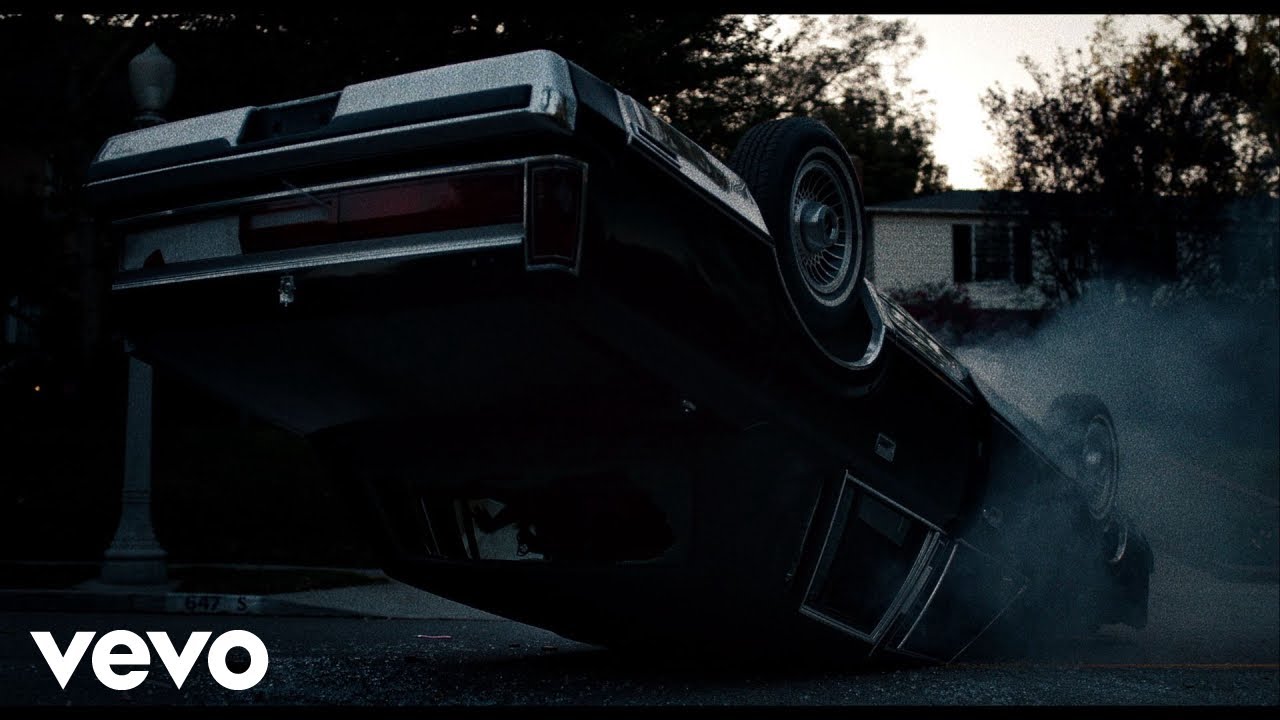
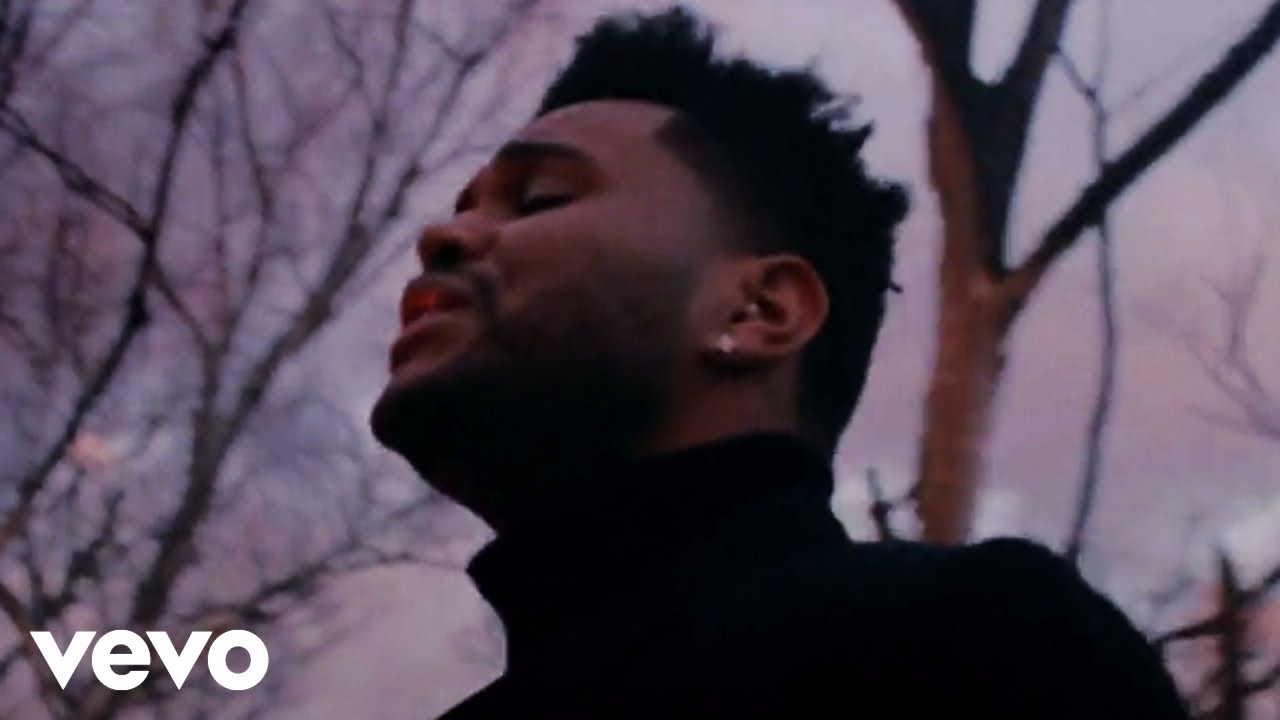
"Too Late" also gained wider cultural exposure through a striking and controversial music video directed by Cliqua, the creative duo responsible for several of The Weeknd's visual projects. The video featured graphic, horror-inspired imagery that sparked significant conversation online, reinforcing the dark, cinematic identity of the After Hours project. The visual component of The Weeknd's work during this era was essential to how individual tracks found their audiences, and "Too Late" benefited directly from that sustained aesthetic attention.
The song received substantial radio airplay, particularly on rhythmic and pop-formatted stations, helping drive its chart performance beyond streaming platforms. Streaming numbers for the track were considerable, with the song accumulating hundreds of millions of plays across Spotify and Apple Music during the months following its release. This performance was consistent with the pattern established by other album tracks, which collectively contributed to After Hours becoming one of the best-selling albums of 2020.
The broader context of the album's rollout was unusual by any standard. The Weeknd famously performed a medley from After Hours at the 2021 Super Bowl LV halftime show, one of the most-watched television events in American history, which retroactively boosted streams and chart positions for many album tracks, including "Too Late." That performance was viewed by an estimated 96 million people and generated renewed interest in the entire After Hours catalog. The halftime show was self-funded by The Weeknd, who reportedly contributed several million dollars of his own money to produce the elaborate spectacle.
Critical reception to "Too Late" was generally positive. Reviewers praised the track as a cohesive entry in the album's narrative arc, appreciating how it fit into the larger emotional and sonic story of After Hours. While it did not receive the same degree of individual critical focus as "Blinding Lights" or "Save Your Tears," it was regularly cited as one of the standout deeper cuts on the record. Its placement within the album's second half allowed it to function as a moment of emotional release and reflection following the more turbulent opening tracks.
In the months and years following its release, "Too Late" maintained a presence in playlists and streaming queues, a testament to the enduring appeal of the After Hours album as a complete work. The Weeknd's ability to create albums that function as coherent listening experiences, rather than just collections of singles, contributed to the long-term streaming life of tracks like "Too Late" that might otherwise have faded quickly from public attention. The song remains one of the more emotionally affecting moments in his catalog from this commercially dominant era.
02 Song Meaning
Too Late by The Weeknd: Themes, Meaning, and Emotional Significance
"Too Late" occupies a specific and emotionally loaded position within the After Hours narrative, functioning as a meditation on regret, irreversible loss, and the particular agony of realizing affection only after it no longer matters. The Weeknd has spoken broadly about the After Hours album as a character study, following a protagonist through cycles of self-destructive behavior, failed relationships, and hollow triumph. "Too Late" arrives within that narrative as a kind of reckoning, a moment when the emotional cost of detachment becomes undeniable.
The central thematic tension of the song involves a speaker who understands, too late, that the emotional bond he had with someone was genuine and worth preserving. The realization is presented not with melodrama but with a kind of numb resignation that feels distinctly contemporary in its emotional register. Rather than reaching for easy catharsis, The Weeknd leans into the discomfort of a grief that cannot be resolved, a loss that admits no remedy because the window for action has definitively closed. This emotional restraint is part of what gives the track its lasting impact.
Sonically, the production reinforces the lyrical themes through its atmospheric quality. The synthesizers create a sense of suspended time, as though the speaker is trapped in a loop of memory and regret. The Weeknd's vocal performance is hushed and introspective in the verses, building to a more exposed and aching delivery in the chorus, a contrast that mirrors the emotional movement from denial to acceptance that runs through the song's narrative. This dynamic approach to performance is a hallmark of The Weeknd's artistic identity and one of the reasons his music resonates so broadly across listener demographics.
Within the larger context of The Weeknd's catalog, "Too Late" reinforces themes that have been central to his work since the early mixtapes. His recurring concern with emotional unavailability, with characters who cannot or will not commit fully to another person until it is no longer possible, appears throughout his discography. What distinguishes the After Hours treatment of these themes is a greater degree of self-awareness on the part of the narrator. Earlier work often presented emotional detachment with a degree of defiance or even celebration. By this stage of his career, the emotional cost of that detachment is rendered without ambiguity, giving the material a confessional weight that feels earned rather than performed.
The song also fits into a tradition of late-night, melancholy pop that The Weeknd has helped define and popularize. His influence on contemporary R&B and pop production is substantial, and "Too Late" demonstrates why: it takes a familiar emotional situation and renders it with enough specificity and sonic craft that it feels genuinely affecting rather than generic. The track illustrates the capacity of popular music to articulate states of emotional experience that resist easy verbal description, packaging complex psychological territory in a form that is immediately accessible.
For listeners, "Too Late" functions as a deeply relatable document of a universally experienced but rarely well-articulated emotion: the grief of understanding value only in retrospect. The song's continued presence in playlists and its strong streaming performance reflect how thoroughly it connects with audiences who have navigated similar emotional terrain. It stands as one of the more quietly powerful entries in The Weeknd's broader body of work, demonstrating that his artistic range extends well beyond the maximalist production and radio-ready hooks of his most commercially successful singles.
→ More from The Weeknd
View all The Weeknd hits →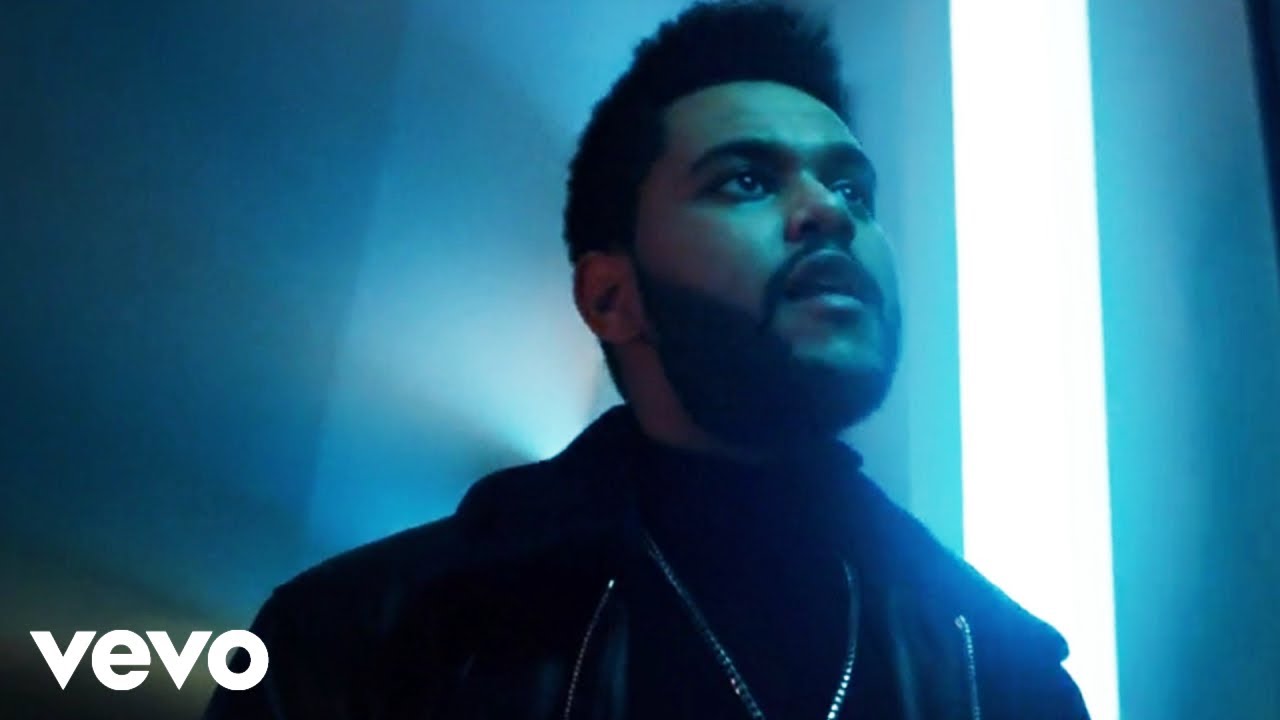
→ More from the 2020s File
View all 2020s hits →

Keep digging