The 2020s File Feature
Scared To Live
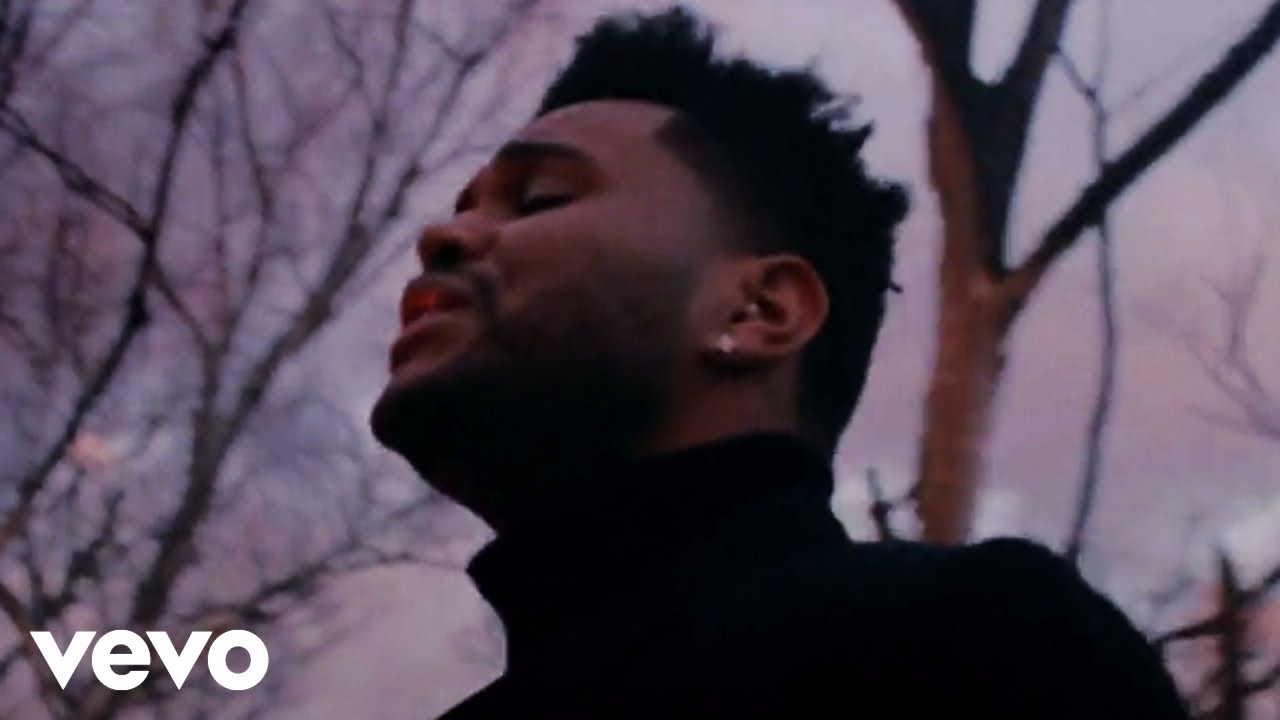
Scared To Live — The Weeknd: Chart History and Release Context "Scared To Live" is one of the more emotionally exposed moments on The Weeknd's landmark 2020 …
01 The Story
Scared To Live — The Weeknd: Chart History and Release Context
"Scared To Live" is one of the more emotionally exposed moments on The Weeknd's landmark 2020 album "After Hours," an album that generated an extraordinary commercial and critical response and established him as one of the dominant figures in global popular music. The song was not released as a traditional radio single in the conventional promotional sense, but it gained significant attention through its placement on the album and through the album's enormous streaming performance.
"After Hours" was released on March 20, 2020, arriving at an unusual cultural moment as the COVID-19 pandemic was beginning its global spread and lockdowns were being implemented across North America and Europe. The timing, while coincidentally difficult for conventional promotional activities like touring and in-person appearances, paradoxically suited the album's emotional content. The dark, introspective quality of the record, and of "Scared To Live" specifically, resonated with an audience newly isolated and emotionally raw.
The album debuted at number one on the Billboard 200, and The Weeknd was signed to Republic Records and XO, the label infrastructure that had supported his rise from anonymous internet presence to global superstar. "After Hours" represented the culmination of a creative arc that had been building through mixtapes and studio albums since the early 2010s, and critics recognized it as among his most focused and emotionally coherent work.
"Scared To Live" was produced with the sonic palette that defined the entire "After Hours" album, drawing on 1980s synth-pop and new wave references, muted palette production choices, and a dramatic emotional register that suited The Weeknd's tenor-range vocals. The production was handled by a team that included DaHeala, Oscar Holter, and The Weeknd himself, with contributions reflecting the layered collaborative process that characterizes his recording approach. The result was a track that felt simultaneously vintage in its sonic references and thoroughly contemporary in its emotional directness.
The song appeared on streaming platforms immediately upon the album's release and accumulated substantial plays as listeners moved through the record repeatedly. "After Hours" as a whole generated enormous streaming numbers in its opening weeks, and "Scared To Live" benefited from its position within that context, reaching listeners who had come to the album through its lead single "Blinding Lights" and then explored deeper cuts.
On the Billboard Hot 100, album cuts from "After Hours" charted through the strength of their streaming numbers combined with download sales, and several tracks including "Scared To Live" appeared on the chart without conventional radio promotion. The album produced multiple simultaneous Hot 100 entries, a feat that demonstrated the scale of The Weeknd's streaming audience and the degree to which the Hot 100 had shifted away from a radio-dominated chart toward a metric that weighted on-demand listening heavily.
Critical reception to "Scared To Live" within the broader context of "After Hours" was enthusiastic. Critics highlighted the song as one of the album's most emotionally vulnerable moments, a genuine departure from the more guarded or narratively detached posture of some of The Weeknd's earlier work. Rolling Stone, Pitchfork, and other major music publications gave the album strong reviews, and "Scared To Live" was often cited in track-by-track assessments as a standout.
The Weeknd's live performances of material from "After Hours" were significantly curtailed by pandemic conditions, meaning that many songs from the album, including "Scared To Live," were experienced almost exclusively in their recorded form for the better part of two years. When he did eventually tour the album's material, the emotional resonance that listeners had built with the songs during isolation gave live performances an additional charge that performers in more normal touring circumstances might not have achieved.
The Grammy controversy of 2021, in which "After Hours" received zero nominations despite widespread critical recognition, generated significant media attention and led The Weeknd to publicly denounce the Recording Academy and announce his intention not to submit music for Grammy consideration in the future. That controversy further elevated the cultural profile of the album and its individual tracks, drawing renewed attention to the work at a moment when it might otherwise have begun to fade from active discussion.
In the context of The Weeknd's career, "Scared To Live" represents a moment of genuine emotional openness that distinguished it from the more deliberately mysterious or emotionally armored material of his early career. The song's place within one of the defining albums of 2020 ensured that it would be remembered as part of a significant cultural moment, a piece of music that spoke to the isolation and emotional difficulty of an extraordinarily challenging period in recent history.
02 Song Meaning
The Meaning of "Scared To Live" by The Weeknd
"Scared To Live" is one of The Weeknd's most emotionally unguarded compositions, a song that strips away much of the narrative distance and aesthetic armor that had characterized his earlier work to arrive at something that feels genuinely confessional. The title establishes the central emotional paradox immediately: the narrator is not simply heartbroken or angry or resigned, but caught in a more complicated state of paralysis, afraid to fully commit to living in a way that exposes him to further pain.
The song explores the aftermath of a failed relationship with a specificity and emotional honesty that gives it unusual weight within The Weeknd's catalog. The narrator acknowledges that his patterns of behavior, his tendencies toward emotional unavailability and self-destructiveness, have contributed to the relationship's failure. This is not a song of simple blame or victimhood; instead, it is a form of self-examination in which the speaker recognizes his own role in a situation that has caused pain to both parties.
The title phrase carries multiple layers of meaning. On the surface, being "scared to live" describes a withdrawal from engagement, a pulling back from the vulnerability that full emotional investment requires. But at a deeper level, the phrase suggests a fear of what living fully might cost, of the grief and loss and exposure that come with genuine connection. The narrator has learned, through experience or through observing his own tendencies, that loving fully creates the conditions for profound suffering, and that knowledge has become a kind of prison.
The 1980s synth-pop aesthetic of the "After Hours" album gives "Scared To Live" a sonic register that references a particular tradition of romantic melancholy. The production evokes artists like Bryan Ferry and the broader new wave tradition in which emotional pain was rendered with a certain cinematic glamour, the suffering aestheticized without being trivialized. The Weeknd has consistently demonstrated a sophisticated understanding of that tradition and its emotional vocabulary, and "Scared To Live" is one of the clearest expressions of that influence.
The song also functions as a companion piece to the broader narrative arc of "After Hours," an album structured around cycles of indulgence, regret, and attempted recovery. "Scared To Live" occupies a reflective position within that arc, representing a moment of clarity in which the narrator sees his own patterns with unusual lucidity. That lucidity is itself painful, because recognizing a destructive tendency is not the same as being free of it, and the song conveys that gap between understanding and change with considerable emotional precision.
For listeners experiencing the album during the pandemic isolation of 2020, the song's themes of paralysis, withdrawal, and fear of engagement resonated with unusual force. The conditions of that moment, with social life suspended and emotional resources strained, gave the song's emotional content an almost uncanny relevance. The fear of full engagement that the narrator describes found an echo in the broader cultural experience of a world that had contracted around individual and domestic life.
Within The Weeknd's career trajectory, "Scared To Live" marks a significant step toward emotional transparency that distinguishes "After Hours" from his earlier mixtape trilogy, in which emotional complexity was often rendered through a more detached or stylized narrative persona. The evolution toward directness that "Scared To Live" represents is part of what made "After Hours" such a critically acclaimed record, demonstrating that his artistic development had moved him toward greater vulnerability without sacrificing the sonic sophistication that had always been central to his appeal.
→ More from The Weeknd
View all The Weeknd hits →
→ More from the 2020s File
View all 2020s hits →


Keep digging