The 2020s File Feature
Late At Night
Late At Night: Roddy Ricch's Summer 2021 Crossover and a Twenty-Week Billboard Run "Late At Night" marked a significant commercial moment for Roddy Ricch in …
01 The Story
Late At Night: Roddy Ricch's Summer 2021 Crossover and a Twenty-Week Billboard Run
"Late At Night" marked a significant commercial moment for Roddy Ricch in the summer of 2021, entering the Billboard Hot 100 at number twenty on June 19, 2021, and sustaining a presence on the chart for twenty weeks, an extended run that reflected the song's crossover appeal and its effectiveness across multiple listening contexts. The track represented a deliberate pivot toward a more melodically accessible sound relative to the harder trap stylings that had characterized some of Ricch's earlier catalog, and the commercial response validated that creative decision.
Roddy Ricch, born Rodrick Darius Moore Jr. in Compton, California, in October 1998, had established himself as one of the most commercially dominant artists of 2020 following the massive success of "The Box," which spent eleven weeks at number one on the Hot 100 and became one of the defining songs of that year. The challenge following a debut of that scale is always the second act, and "Late At Night" was among the most successful of Ricch's subsequent attempts to build on that foundation. The song appeared as part of his second studio album, Live Life Fast, which was released in December 2021, though the track had been building momentum since its release as a single earlier in the year.
The production on "Late At Night" is built around a melodic trap foundation with elements borrowed from R&B and pop, including a prominent sample and interpolation arrangement that gave the track a nostalgic warmth distinguishing it from more aggressively contemporary trap production. The beat was created by London On Da Track, a producer whose collaborations with Roddy Ricch had been central to shaping the artist's sound. The choice to anchor the production in a melodic hook rather than in rhythmic or bass-weight dominated elements was a key factor in the song's crossover success.
Ricch's vocal performance on the track moves fluidly between sung and rapped passages, a technique that had been central to his identity since his earliest recordings. The melodic hooks in "Late At Night" are among his most accessible, designed for ease of absorption and singalong participation, which contributed directly to the track's performance on streaming platforms where listener engagement with hooks drives repeat play. The construction of the chorus around a simple, memorable melodic phrase was a textbook example of commercially oriented pop-rap songwriting executed with genuine craft.
On the charts, the song's trajectory reflected its crossover ambitions. The debut at number twenty represented strong initial streaming performance driven by Ricch's large existing fanbase. The subsequent weeks showed a gradual descent followed by periods of stabilization, suggesting that radio pick-up was supplementing the initial streaming burst and extending the song's commercial life beyond what streaming alone would have sustained. Pop and rhythmic radio formats were particularly receptive to the track, and its presence on those playlists introduced Ricch to demographic groups that had not previously been central to his audience.
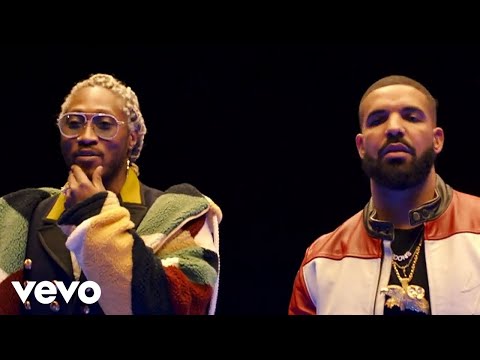
The music video, which accumulated a substantial view count on YouTube contributing to approximately 46 million total views for the song, was directed with a glossy visual aesthetic emphasizing the aspirational lifestyle content that has been a consistent element of Ricch's visual identity. The video's setting in luxury domestic spaces reinforced the song's thematic focus on late-night romance and the particular quality of time and intimacy that nighttime creates in the narrative framework of the song.
Critical reception was generally positive, with reviewers noting that the song represented Roddy Ricch's most polished attempt to date at a pure pop-rap crossover without sacrificing the authenticity markers that his core fanbase expected. The balance between accessibility and credibility is one of the most difficult calibrations in commercial rap, and "Late At Night" was widely judged to have achieved it with more success than several of his intervening post-"The Box" releases.
The twenty-week chart stay distinguished "Late At Night" from other singles in Ricch's catalog not because the chart positions were particularly elevated but because of the duration of the run. Sustained chart presence of that length in 2021 required consistent streaming performance, playlist retention, and radio play working in concert. The song's ability to sustain across all three metrics simultaneously indicated that it had found genuine audience adoption rather than merely benefiting from initial release momentum.
In the broader context of 2021 rap and R&B, "Late At Night" participated in a trend toward melodically sophisticated, R&B-influenced production that was reshaping the genre's mainstream. Artists including Drake, Chris Brown, and The Weeknd had been exploring the border between rap and R&B throughout the preceding decade, and Roddy Ricch's contribution to this conversation with "Late At Night" demonstrated that younger artists from the post-"mumble rap" generation were developing their own approaches to that boundary.
The song's legacy within Ricch's catalog is as the clearest demonstration of his pop songwriting capacity, the recording that showed most directly what he could achieve when commercial accessibility was the explicit priority. Whether that direction represented his most artistically distinctive work is a separate question, but as a commercial and crossover document, "Late At Night" occupies a significant place in understanding how his career developed in the years following his 2020 breakthrough.
02 Song Meaning
Night as Setting and State of Mind: The Thematic World of "Late At Night"
"Late At Night" constructs its emotional world around the specific quality of nighttime as a space for romantic experience and emotional honesty. Night functions in the song as both a literal setting and a metaphorical condition, a time and state in which the social performances required by daylight recede and a more unguarded version of the self becomes available. This is a well-established thematic territory in popular music, but Roddy Ricch's treatment of it has particular qualities that distinguish the song within the genre.
The speaker in the track is drawn to intimate connection in the hours when ordinary social obligations have been suspended. There is an implicit contrast throughout the song between the public self, competitive, guarded, and performing, and the private self that nighttime permits. The late-night setting removes the need for performance, and in that removal the speaker finds the possibility of genuine connection. The song is therefore as much about authenticity as it is about romance, though it approaches that theme through the oblique angle of a love song rather than through direct statement.
The melodic construction of the track reinforces this thematic content. The warm, nostalgic quality of the production, with its R&B-influenced melodic elements, creates a sonic atmosphere that matches the emotional temperature the song describes. Listening to the track under the conditions it describes, late at night and in an intimate context, produces a specific effect of alignment between the music's texture and the listener's circumstances that is rare and valuable in pop production. The production design is itself an argument about the emotional content of the song, not merely a vehicle for delivering it.
Ricch's vocal approach throughout the track is consistently in the range between singing and speaking, a zone of expression that carries the connotations of both musical artifice and conversational directness. This ambiguity in the vocal register maps onto the song's thematic concern with authenticity, as though the voice itself cannot quite decide how much to perform and settles into something between the two modes as a more honest expression than either pure song or pure speech would allow.
The song's treatment of romantic intimacy is relatively restrained compared to some of Ricch's more explicitly oriented content. The focus is less on physical encounter than on the emotional quality of connection, on the particular form of vulnerability that nighttime and proximity create. This restraint is thematically coherent with the song's implicit argument that genuine intimacy requires letting one's guard down rather than maintaining the competitive posturing that daytime social life demands.
For listeners, the song has functioned as an effective companion to the situations it describes, a piece of music that creates the mood it discusses rather than merely commenting on it from the outside. This quality of mood-creation rather than mood-description is among the most difficult things popular music attempts to achieve, and "Late At Night" manages it through the combination of production warmth, vocal authenticity, and thematic focus that characterizes its best moments.
The song's connection with its audience has been sustained precisely because the thematic content is both specific enough to feel real and general enough to apply across many different experiences of nighttime intimacy. The universality of the desire for authentic connection, dressed in the specific aesthetic clothing of 2021 pop-trap, allowed the track to reach beyond Ricch's existing fanbase and speak to listeners who might not have previously been drawn to his music. That breadth of reach is the mark of a song that has found the right balance between the particular and the general in its emotional argument.
→ More from the 2020s File
View all 2020s hits →


Keep digging