The 2020s File Feature
Thug Life
Thug Life — Rod Wave (2020) Rod Wave emerged as one of the most distinctive voices in Southern rap during the late 2010s and early 2020s, and "Thug Life" sta…
01 The Story
Thug Life — Rod Wave (2020)
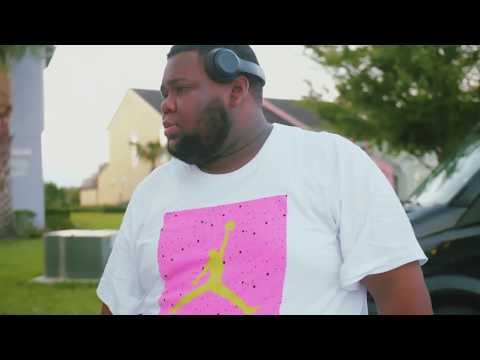
Rod Wave emerged as one of the most distinctive voices in Southern rap during the late 2010s and early 2020s, and "Thug Life" stands as a representative example of the approach that made him one of the most streamed artists of his generation. The song was released in 2020 as part of the project Pray 4 Love, Rod Wave's second major-label album, which was released through Alamo Records in partnership with Interscope Records in April 2020. The timing of the album's release, during the early weeks of the COVID-19 pandemic, contributed to its remarkable streaming numbers as audiences in quarantine turned to introspective, emotionally accessible music in large numbers.
Pray 4 Love debuted at number two on the Billboard 200, a major commercial statement for an artist who had released his debut album less than a year earlier. The album accumulated hundreds of millions of streams within its first months of release, and "Thug Life" was among the tracks that contributed most significantly to that streaming total. Rod Wave's approach on the track is characteristic of his broader style: melodic rap built on autotuned singing that prioritizes emotional directness over technical display, delivered over production that emphasizes atmospheric keys and bass-heavy beats.
The production on "Thug Life" was handled in the style that had become associated with Rod Wave's catalog, featuring piano-led melodies over trap percussion in a way that emphasized the emotional content of the lyrics rather than rhythm or sonic complexity for its own sake. This production aesthetic, which Wave developed with his primary collaborators, was central to his commercial appeal. The music functions almost as a delivery system for emotional confession, stripping away production complexity to leave the vocal performance and the lyrical content as the primary focus.
Rod Wave, born Rodarius Marcell Green in St. Petersburg, Florida, brought to his music a biographical specificity that was central to its credibility with audiences. His lyrics draw consistently on his own experiences growing up in poverty, encounters with the criminal justice system, and the psychological cost of street life. "Thug Life" addresses these themes with a raw honesty that his audience responded to with unusual intensity, driving streaming numbers that placed him in the company of artists with far longer established careers.
The song's chart performance on the Billboard Hot 100 reflected the streaming-first nature of his commercial success. In the streaming era, artists like Rod Wave who build massive organic followings on platforms like Spotify and Apple Music can achieve chart positions that reflect consumption patterns quite different from those of the radio-driven era. His numbers were particularly strong on platforms where younger Black audiences concentrated their listening, giving him a specific demographic profile that was extremely valuable commercially.
The cultural context of 2020 gave "Thug Life" an additional resonance. The year was marked by the economic devastation of the pandemic, the social upheaval following the killing of George Floyd, and an intense national conversation about policing, race, and the conditions that produce and sustain poverty in Black communities. Rod Wave's music, which addresses those conditions from the inside with personal rather than political language, resonated with audiences who were living through versions of the experiences he described. His emotional directness felt, to many listeners, more truthful than explicitly political rap about similar subjects.
Critics who engaged with Pray 4 Love and "Thug Life" specifically noted that Rod Wave represented a significant development in the Southern rap tradition, one that merged the melodic sensibility of artists like Kevin Gates and Future with a level of emotional vulnerability that was associated more with the confessional wing of R&B than with the masculine performance norms of Southern hip-hop. This synthesis gave his music an unusual position in the market, reaching audiences from both the hip-hop and R&B traditions simultaneously.
By the end of 2020, Rod Wave had established himself as one of the most commercially successful new voices in rap, and "Thug Life" was a central part of the musical statement that secured that position. The song exemplified his ability to transform personal pain into music that felt both intimately confessional and broadly accessible, a combination that defined his appeal and set the terms for his subsequent commercial and artistic development.
02 Song Meaning
What "Thug Life" Means
"Thug Life" addresses one of the central tensions in contemporary Black male experience in America: the gap between the outward performance of toughness demanded by certain street environments and the interior emotional life that performance is designed to conceal. Rod Wave approaches this tension not from a position of ideological critique but from the inside, as someone describing his own experience of inhabiting that contradiction. The result is a song that strips away the mythology of street toughness and examines what it actually costs to live within its demands.
The title itself is a deliberate invocation of an established cultural framework. "Thug life" as a phrase carries significant cultural history in Black American music, most famously associated with Tupac Shakur's philosophical elaboration of the concept in the 1990s. By invoking the phrase, Rod Wave situates his meditation within that tradition while also subjecting it to examination rather than simply celebrating it. His treatment of the concept is neither condemnatory nor glorifying; it is, instead, the account of someone who has lived within its terms and is reporting on the experience from the inside.
The emotional register of the song is one of exhaustion and ambivalence rather than pride or anger. The narrator is not presenting thug life as aspiration but as condition, a set of circumstances and behavioral codes that he has inhabited out of necessity rather than choice. This framing distinguishes Rod Wave's approach from the more celebratory or performative treatments of similar subject matter that characterize much commercial rap. His refusal to glamorize the experience is what gives the song its particular emotional honesty and what connects him to listeners who have lived in or adjacent to similar circumstances.
Rod Wave's use of melody and autotune throughout the song reinforces its emotional content in specific ways. The melodic approach softens the edges of the confession, making it possible for the listener to be carried by the sound even as the lyrical content describes difficult material. This combination of painful subject matter and melodic accessibility is characteristic of his entire catalog and represents one of his most significant artistic contributions: the discovery that emotional vulnerability becomes more powerful, not less, when it is delivered in a form that is musically pleasurable to inhabit.
The song's thematic concern with survival and psychological cost connects it to a longer tradition of blues and Southern soul music that has always understood personal testimony as a legitimate and important mode of artistic expression. In naming and describing the specific pressures of poverty, criminality, and social disadvantage, "Thug Life" performs the blues function of transforming private pain into shared public expression. The listener who has not lived through Rod Wave's specific experiences can nonetheless recognize the emotional truth of the condition he describes.
In the context of 2020, the song gained additional layers of meaning from the broader social moment. The year's intense national conversation about policing and the conditions of Black life in America gave Rod Wave's personal testimony a political dimension that the song itself does not explicitly claim. By simply reporting honestly on what his life has been like, without political framing or ideological argument, he implicitly described the conditions that the political conversation was attempting to address. The personal and the political converged in his music without the music needing to be explicitly activist to achieve that convergence, and that convergence was part of what made "Thug Life" feel particularly resonant to its audience in 2020.
→ More from Rod Wave
View all Rod Wave hits →

→ More from the 2020s File
View all 2020s hits →

Keep digging