The 2020s File Feature
For The Night
For The Night: Pop Smoke's Posthumous Chart Triumph With Lil Baby and DaBaby "For The Night" featuring Lil Baby and DaBaby is one of the most commercially si…
01 The Story
For The Night: Pop Smoke's Posthumous Chart Triumph With Lil Baby and DaBaby
"For The Night" featuring Lil Baby and DaBaby is one of the most commercially significant tracks from Pop Smoke's posthumous debut studio album, demonstrating that the Brooklyn drill pioneer's music retained extraordinary commercial vitality even after his tragic death. Released on July 3, 2020, through Victor Victor Worldwide and Republic Records, as part of the posthumous album "Shoot for the Stars, Aim for the Moon," the song became a summer hit that introduced Pop Smoke's music to the widest possible mainstream audience while honoring the distinctive sound he had developed before his death.
Pop Smoke, born Bashar Barakah Jackson in Canarsie, Brooklyn, was killed on February 19, 2020, at the age of twenty, in a home invasion robbery in Los Angeles. He was already one of the most commercially promising young artists in hip-hop at the time of his death, having released two mixtapes that established Brooklyn drill as a commercially viable mainstream hip-hop genre and accumulated hundreds of millions of streams. His death was widely mourned in the music industry and in New York, and the announcement of his posthumous album generated enormous anticipation.
The posthumous album "Shoot for the Stars, Aim for the Moon" debuted at number one on the Billboard 200 on the chart dated August 1, 2020, with first-week sales of 251,000 album equivalent units. This debut represented the largest first-week total for a posthumous album by a new artist in chart history at the time, reflecting both the genuine quality of the music and the outpouring of fan support following Pop Smoke's death. The album remained a significant chart presence for months following its debut, demonstrating unusual staying power.
"For The Night" was produced by 808Melo and Rico Beats, with a beat that incorporated the dark, bass-heavy production aesthetics that defined Brooklyn drill while adding melodic elements that gave the track a more accessible, radio-friendly character than some of Pop Smoke's more abrasive earlier work. The production struck a balance between the underground drill community that had first embraced Pop Smoke and the wider mainstream pop audience that the posthumous album was positioned to reach.
The features from Lil Baby and DaBaby, two of the most commercially successful rappers of 2020, were strategically significant. Lil Baby, the Atlanta rapper who had become one of the biggest names in hip-hop through a series of successful albums and mixtapes, brought his enormous fanbase to the track. DaBaby, the Charlotte rapper known for his aggressive, energetic delivery and his commercial success with tracks including "ROCKSTAR," added a different flavor of commercial appeal. The combination of two major contemporary features alongside Pop Smoke's posthumous vocal created a track with exceptional commercial potential.
On the Billboard Hot 100, "For The Night" reached the top five, peaking at number four on the chart, one of the highest positions achieved by any track from the album. Its performance was driven by streaming, airplay, and the ongoing emotional investment of listeners in Pop Smoke's legacy. The song received extensive radio play across hip-hop and R&B formats and performed strongly across streaming platforms in a manner consistent with the album's broader commercial trajectory.
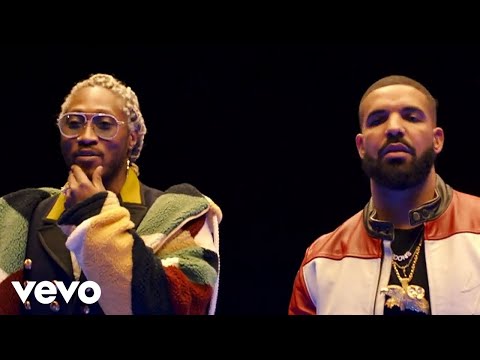
The music video for "For The Night," released posthumously, was produced to celebrate Pop Smoke's visual aesthetic while incorporating footage of the featured artists. The video's visual language drew on the Brooklyn street culture and New York hip-hop iconography associated with Pop Smoke's artistic identity, serving as both a commercial promotion and a tribute to his sensibility. The video attracted tens of millions of views and served as an important part of keeping Pop Smoke's visual presence alive in the culture following his death.
The critical reception of "For The Night" was generally positive, with reviewers noting the song's effective combination of Pop Smoke's deep, distinctive vocal timbre with the features and production that gave the track its mainstream appeal. Critics also noted the emotional complexity of the listening experience, in which the pleasure of a well-constructed hit song was inseparable from the grief of knowing that its creator had died before having the opportunity to witness its success.
The broader cultural context of "For The Night" includes its role in the mainstream emergence of Brooklyn drill as a recognized and commercially significant American hip-hop subgenre. Pop Smoke's earlier mixtapes had established the template, but the posthumous album's commercial success brought that sound to an audience that extended far beyond the New York hip-hop community that had first championed him. "For The Night," as one of the album's most accessible and widely promoted tracks, was a primary vehicle for this mainstream introduction of Brooklyn drill aesthetics.
The ongoing commercial performance of "For The Night" and the broader "Shoot for the Stars, Aim for the Moon" album reflected the music industry's evolving relationship with posthumous releases, which had become an increasingly significant commercial category as streaming made catalog music perpetually accessible. Pop Smoke's estate and label partners managed his legacy with considerable commercial success, generating revenues that supported both the ongoing promotion of his recorded work and the broader cultural project of maintaining his artistic reputation as one of the most significant figures in New York hip-hop since the mid-2010s.
02 Song Meaning
For The Night: Desire, Presence, and the Weight of Listening to the Dead
"For The Night" carries an emotional dimension that separates it from most commercial hip-hop releases: the knowledge that the primary vocalist is no longer alive. This contextual fact does not exhaust the song's meaning, but it shapes every listening experience in ways that cannot be separated from the music itself. Pop Smoke's voice, deep and commanding and utterly distinctive, sounds different when the listener knows that it is a voice from the recent past, preserved on tape while the person who produced it has been violently taken from the world. The song thus operates simultaneously as a piece of commercial entertainment and as a memorial artifact.
The song's lyrical content addresses themes of desire, late-night connection, and the specific pleasure of attraction that is intensely physical and present-tense. The narrator is interested in someone, and that interest is immediate, sensory, and unambiguous. This simplicity of emotional focus, the direct expression of desire without complication or analysis, is characteristic of Pop Smoke's aesthetic across his brief recorded catalog. His music trusted that listeners could identify with uncomplicated expressions of attraction and confidence without requiring more elaborate emotional scaffolding.
The features from Lil Baby and DaBaby add dimensions to the track's emotional universe. Lil Baby's contribution brings his characteristic reflective quality, a tendency toward emotional observation even within commercial contexts. DaBaby's presence adds kinetic energy and the performance of confident, aggressive masculinity that characterizes his commercial persona. The interplay between Pop Smoke's posthumous vocal, Lil Baby's introspection, and DaBaby's energy creates a composite masculinity that is richer and more complex than any single performer would provide.
The phrase "for the night" is worth examining as a thematic frame. The limitation to the night is important: this is not a song about lasting commitment or deep connection but about the specific, contained experience of a single nocturnal encounter. Nighttime in hip-hop and R&B has long functioned as a space of different rules, a time when the ordinary social constraints of daylight hours are relaxed and different forms of desire and behavior become permissible. Pop Smoke's music drew deeply on this nocturnal aesthetic, and "For The Night" is one of its clearest expressions.
The darkness of the production, the heavy bass, the atmospheric textures, the deliberate weight of the beat, creates a sonic environment that corresponds to the nighttime setting of the song's subject matter. This alignment between production and theme is one of the marks of aesthetic coherence, the sound of the track communicating its meaning as powerfully as any of its lyrical content. The music does not describe a dark, late-night world; it inhabits one, and the listener is placed inside that world by the production itself.
Listening to "For The Night" after Pop Smoke's death also involves grappling with the specific tragedy of unrealized potential. The song demonstrates, as every track on his posthumous album demonstrates, what an extraordinary artist he was becoming. The vocal technique, the confidence, the musical intelligence evident in the way he deployed his voice across the track all point toward a career that would have been remarkable. The posthumous context makes pleasure and grief simultaneous experiences for listeners who engage with the song's full meaning, unable to fully separate the quality of the music from the sadness of its circumstances.
Pop Smoke's death at twenty also raises implicit questions about the environment from which his music emerged, about the relationship between the violence that his music sometimes depicted and described and the violence that ended his life. Brooklyn drill as a genre has been criticized for its relationship to real-world violence, and Pop Smoke's murder brought those criticisms into sharp focus. These questions do not have simple answers, but they are part of the meaning that attaches to "For The Night" and to Pop Smoke's catalog as a whole.
The enormous commercial success of Pop Smoke's posthumous album, and of "For The Night" as one of its most widely heard tracks, also speaks to the genuine emotional connection that his audience had formed with his music in a very short time. The outpouring of support for his posthumous release was not merely a commercial transaction but an expression of mourning, of the desire to remain connected to an artist and a voice that had been lost too soon. "For The Night" was one of the primary vehicles for that connection, a song that allowed listeners to spend time in Pop Smoke's presence even after his absence had become permanent.
→ More from the 2020s File
View all 2020s hits →



Keep digging