The 2020s File Feature
Don't Need Friends
Don't Need Friends: NAV and Lil Baby's Dark Milestone NAV, the Toronto-born rapper and producer whose legal name is Navraj Singh Goraya, emerged from the Tor…
01 The Story
Don't Need Friends: NAV and Lil Baby's Dark Milestone
NAV, the Toronto-born rapper and producer whose legal name is Navraj Singh Goraya, emerged from the Toronto underground as a producer and melodic rapper whose style bridged the atmospheric trap of Drake's OVO Sound ecosystem with harsher, more nihilistic street narratives. By the time he released his third studio album, Good Intentions, on May 8, 2020, through XO Records and Republic Records, he had refined that blend into something commercially potent. The album debuted at number one on the Billboard 200, a career-defining achievement that validated his cultivated presence on streaming platforms.
"Don't Need Friends," featuring Atlanta rapper Lil Baby, appeared as one of the standout tracks on that album. The song arrived at a specific cultural moment: the early weeks of the global pandemic lockdown had dramatically altered how music was consumed, with streaming numbers surging as audiences spent unprecedented amounts of time at home. The timing benefited the album broadly and this track in particular.
Production on "Don't Need Friends" carries NAV's signature aesthetic, built on sparse, haunted-melody trap instrumentation with crisp hi-hat patterns and a bass line that settles into a low, oppressive groove. NAV handled the production himself, as he does on much of his catalogue, layering melodic vocal runs over beats designed to feel both cold and intimate. The result is a claustrophobic sonic environment that suits the song's lyrical perspective.
Lil Baby's inclusion was commercially and aesthetically logical. By 2020, Lil Baby was one of the dominant forces in American rap, fresh off a period of extraordinary output. His verse brings a more declarative, street-narrative energy that contrasts with NAV's more melancholic melodic approach, creating the push-and-pull dynamic that makes the collaboration work. The feature elevated the song's commercial profile considerably, as Lil Baby's presence on any track in that period virtually guaranteed streaming traction.
The song charted on the Billboard Hot 100, reflecting the album's broad commercial reach. Good Intentions as a project generated enormous streaming numbers in its release week, with the album accounting for a substantial share of on-demand streams. The song contributed to NAV's sustained Hot 100 presence across the album cycle, appearing alongside multiple other charting tracks from the same release.
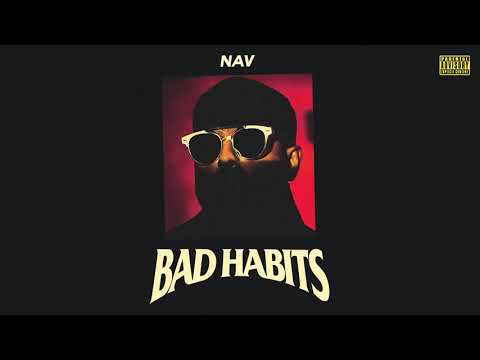
The critical and commercial context of the record is worth noting. NAV had previously released Reckless (2018) and Bad Habits (2019), the latter of which also reached number one on the Billboard 200, making him one of the few artists in any genre to achieve back-to-back chart-topping albums. Good Intentions continued that trajectory, cementing him as a reliable commercial performer even as critical discourse around his work remained mixed.
Within the album's sequencing, "Don't Need Friends" sits as a thematic anchor for NAV's core artistic statement: a deep suspicion of relationships, an embrace of isolation as a defense mechanism, and a celebration of self-reliance that reads as both bravado and genuine psychological armoring. That thematic consistency throughout the album helped listeners engage with individual tracks as pieces of a coherent emotional argument rather than disconnected songs.
NAV's collaborations across Good Intentions were extensive and carefully chosen. Beyond Lil Baby, the album featured contributions from artists including Travis Scott, Gunna, Young Thug, and others who were central to the trap ecosystem of the era. This network of collaborators helped the album function as a document of a particular moment in trap's commercial dominance.
"Don't Need Friends" in particular resonated with audiences who connected with its emotional core: the idea that trust is a liability and that the closest social circle is also the most dangerous. The album moved approximately 110,000 album-equivalent units in its first week, a strong debut that reflected both NAV's fanbase and the streaming-driven economy of 2020 music consumption.
The song has maintained a presence in NAV's live and streaming legacy since its release, appearing in playlists and digital contexts that extend its life well beyond the album cycle. For an artist whose commercial identity is inseparable from DSP performance, the song's durability in streaming playlists represents the truest measure of its success. It stands as one of the definitive statements of NAV's aesthetic and emotional worldview at what was, commercially, the peak of his career.
02 Song Meaning
Isolation as Armor: The Emotional Logic of "Don't Need Friends"
"Don't Need Friends" operates in the emotional register that NAV has made his signature: a space where self-sufficiency is performed as triumph but experienced as something closer to resigned acceptance. The song's central premise, that the speaker is better off without close relationships, is articulated not with celebration but with the flat affect of someone who has already processed the grief and arrived at a cold conclusion.
The thematic architecture of the song draws on a long tradition in trap music of turning vulnerability into armor. Rather than lamenting loneliness, the narrator reframes solitude as a strategic advantage. Friendships, in this worldview, are vectors for betrayal. The people closest to you are the ones who know where you are vulnerable, and knowledge like that is dangerous. By preemptively declaring independence from those relationships, the song's perspective attempts to neutralize that threat.
This emotional stance reflects a specific psychology common to artists who rose quickly from precarious circumstances. NAV has spoken in interviews about the difficulty of navigating new money and new status while not knowing whom to trust, and "Don't Need Friends" crystallizes that anxiety into a lyrical declaration. The song does not dramatize a specific betrayal; it expresses a generalized distrust that feels like the residue of multiple experiences rather than one defining incident.
Lil Baby's verse reinforces this theme from a complementary angle. Where NAV's delivery is melodic and somewhat inward, Lil Baby's contribution is more declarative and street-facing. Together they build a composite portrait of two artists who have arrived at the same conclusion from different routes: that intimacy is a risk that the rewards of friendship rarely justify. The dialogue between their perspectives gives the song a sense of shared testimony rather than individual complaint.
The production supports the lyrical content with precision. The beat's cold, sparse arrangement creates a feeling of empty space that mirrors the thematic content. There are no warm musical textures, no sonic cues that suggest community or celebration. Instead the soundscape feels like a room with the furniture removed, which is exactly the emotional environment the lyrics describe.
In the context of NAV's catalog, the song represents a crystallization of themes he had been working toward across earlier releases. His debut and sophomore albums established the same emotional territory, but "Don't Need Friends" achieves a particular efficiency of expression, distilling the argument into a form that feels conclusive rather than exploratory. It is less a discovery than a statement of settled fact.
The broader cultural moment in which the song arrived also shapes its reception. Released during pandemic lockdowns in 2020, when millions of people were experiencing enforced physical isolation and reconsidering their social relationships, the song's meditation on chosen solitude landed with unusual resonance. The experience of being cut off from one's social network made the song's emotional logic feel less like pathology and more like pragmatism.
For Lil Baby's fans, the track offers a familiar perspective delivered with characteristic economy. For NAV's audience, it functions as an anchor point in an album that builds a consistent emotional world. Together the two artists create a meditation on self-protection that acknowledges pain without indulging it, which is precisely the emotional register that resonates most deeply with the trap audience they share.
→ More from NAV Featuring Lil Baby
View all NAV Featuring Lil Baby hits →
→ More from the 2020s File
View all 2020s hits →


Keep digging