The 2020s File Feature
Deck The Halls
Deck The Halls — Nat King Cole (Holiday Recording) Nat King Cole's recording of "Deck The Halls" stands as one of the most enduring holiday performances in t…
01 The Story
Deck The Halls — Nat King Cole (Holiday Recording)
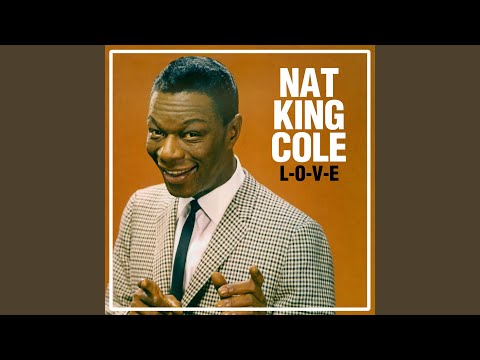
Nat King Cole's recording of "Deck The Halls" stands as one of the most enduring holiday performances in the American popular music catalog, a reading of the traditional Welsh carol that brought Cole's characteristic warmth and vocal precision to a melody that had been part of the English-language Christmas repertoire since the nineteenth century. Cole recorded several holiday albums and seasonal tracks throughout his career at Capitol Records, and his interpretations of Christmas standards benefited from the same combination of effortless vocal authority and musical intelligence that had made him one of the defining artists of postwar American popular music.
Nathaniel Adams Coles was born in Montgomery, Alabama in 1919 and raised in Chicago, where he developed his skills as a jazz pianist before his vocal talent emerged as the primary vehicle of his commercial success. By the time he was recording holiday material in the late 1950s and early 1960s, Cole had long since established himself as one of the most commercially successful recording artists in the country, with a string of hits stretching back to the mid-1940s. His relationship with Capitol Records, which he had joined in 1943, had produced landmark recordings that defined the sound of American popular music in the postwar era.
"Deck The Halls" as a carol has roots in a Welsh folk melody known as "Nos Galan," which dates to the sixteenth century. The words in their modern English form were published in the mid-nineteenth century and the carol entered the mainstream holiday repertoire in the Victorian era. Cole's recording gave the traditional melody his own stamp through the production aesthetic of Capitol's Hollywood studios, where arrangers and orchestrators working in the lush, string-heavy style that the label had developed under its roster of major pop artists gave even familiar traditional material a sense of contemporary sophistication.
The arrangement of Cole's "Deck The Halls" is typical of the Capitol holiday recording tradition: a full orchestral setting that supports rather than overwhelms the vocal, with rhythmic vitality that keeps the carol moving briskly while the production warmth keeps it firmly within the domestic holiday atmosphere that audiences expected from seasonal recordings. Capitol's production values in this period were among the highest in the American recording industry, and Cole's holiday recordings benefited from the same level of technical care that his pop albums received.
Cole's holiday recordings became a significant part of his legacy, with albums like "The Christmas Song" establishing a template for the sophisticated pop Christmas album that would influence generations of artists. The annual chart reappearance of holiday catalog recordings, a phenomenon that Billboard began tracking seriously as streaming changed consumption patterns, allowed Cole's recordings to reach new audiences decades after they were made. In 2020 and subsequent years, holiday catalog recordings including Cole's work appeared on the Billboard Hot 100 as streaming numbers during the Thanksgiving-through-Christmas period accumulated sufficiently to register as chart activity.
The Billboard chart methodology's incorporation of streaming data fundamentally altered the seasonal chart landscape, creating a situation in which classic holiday recordings could compete with contemporary releases during the holiday season. This development gave catalog recordings like Cole's "Deck The Halls" an afterlife in chart terms that would have been impossible under purely sales-based methodologies. The 2020 holiday season saw an unprecedented number of classic recordings appearing on the Hot 100, with Cole's holiday catalog among the beneficiaries of this trend.
The cultural durability of Cole's holiday recordings reflects more than simple nostalgia, though nostalgia certainly plays a role in their continued circulation. Cole's vocal style, built on impeccable intonation, a conversational naturalness in the delivery of lyrics, and a warmth that communicated genuine pleasure in the music, translates across generational changes in musical taste in a way that more stylistically specific performances do not. His "Deck The Halls" sounds neither dated nor artificially timeless; it simply sounds like a beautiful performance of a beautiful melody, which is ultimately the highest achievement any holiday recording can aspire to.
Cole died in February 1965, but his recordings continued to reach new audiences through the decades that followed, particularly through the annual ritual of holiday music programming that kept his Capitol recordings in rotation on radio stations, in retail environments, and eventually on streaming playlists. The posthumous chart activity generated by streaming represents a continuation of this pattern in a new commercial medium, confirming that Nat King Cole's artistry remained capable of commanding an audience more than half a century after his death.
His influence on the holiday recording tradition is difficult to overstate. The combination of vocal sophistication, orchestral richness, and genuine warmth that characterizes his holiday recordings became the standard against which subsequent artists measured their own contributions to the Christmas catalog. Cole did not create that standard alone, but his versions of seasonal material became definitional, recordings that every subsequent artist implicitly had to reckon with when approaching the same material.
02 Song Meaning
The Meaning Behind "Deck The Halls" by Nat King Cole
Nat King Cole's recording of "Deck The Halls" participates in a tradition of carol interpretation that treats the holiday season as an occasion for genuine communal feeling rather than commercial obligation. The carol itself, with its Welsh melodic origins and its Victorian English lyrical dress, is a celebration of sensory pleasure and seasonal ritual: the decoration of space, the gathering of community, the shared warmth of music-making. Cole's performance gives these themes their fullest possible expression through the medium of American popular music at the height of its orchestral sophistication.
The content of the carol centers on a series of exhortations to celebration. The singer calls on an imagined community to decorate their surroundings, to sing, to be joyful, to mark the turning of the year with visible and audible festivity. There is nothing theologically weighted about the carol's words; it is a secular holiday song in all but the season it celebrates, concerned with the pleasures of the present moment rather than with doctrinal content. This secular warmth made it a natural fit for Nat King Cole's repertoire, which had always been oriented toward a broadly accessible emotional register rather than specifically religious expression.
What Cole brings to the material is a quality of genuine pleasure in the performance that communicates itself to the listener. His vocal style, built on conversational naturalness and impeccable musical intelligence, makes even formulaic holiday sentiments sound freshly felt. The listener's sense that Cole is genuinely enjoying himself, that the seasonal warmth the carol expresses is not merely performed but experienced by the performer, is the primary emotional gift of the recording.
The orchestral arrangement that supports Cole's vocal performance contributes its own layer of meaning to the song. The lushness of the strings, the rhythmic energy of the rhythm section, and the overall sense of production abundance mirror the carol's content at a musical level: this is music that decorates, that creates an environment of warmth and festivity. The Capitol Records orchestral tradition in which the recording was made gave even traditional material a sense of occasion, treating holiday recordings with the same production care given to more commercially prestigious projects.
The song's annual reappearance in the streaming era, charting on the Billboard Hot 100 in 2020 and subsequent holiday seasons, represents something meaningful about the cultural function of holiday music. These recordings do not simply entertain; they anchor the holiday season to a shared cultural memory, providing an acoustic environment that feels simultaneously familiar and fresh to each new generation of listeners who encounter it. Cole's recordings perform this function with unusual effectiveness because the warmth of his voice creates an immediate emotional connection that transcends the generational distance between the recording date and the current listener.
In the broader context of Cole's artistic legacy, the holiday recordings represent a specific facet of his genius: the ability to find genuine emotional truth in material that could easily have been treated as mere seasonal product. His "Deck The Halls" is not a significant artistic departure or a particularly challenging interpretation of the source material; it is, rather, a perfect realization of what the material is and what it can be, given voice by a performer whose entire artistic project was built around the idea that perfect realization of this kind is the highest form of popular musical achievement.
→ More from Nat King Cole
View all Nat King Cole hits →



→ More from the 2020s File
View all 2020s hits →


Keep digging