The 2020s File Feature
Feelin Like Tunechi
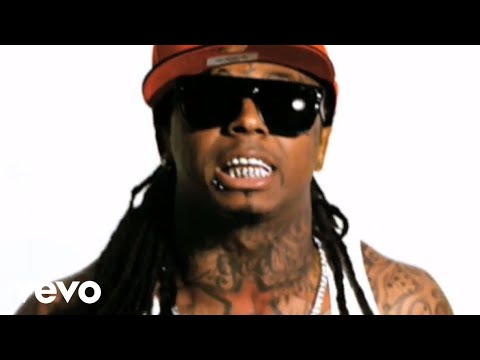
"Feelin Like Tunechi" — Lil Wayne and Rich the Kid in 2021 The Mixtape Spirit Meets the Streaming Era Autumn 2021 found the streaming music economy operating…
01 The Story
"Feelin Like Tunechi" — Lil Wayne and Rich the Kid in 2021
The Mixtape Spirit Meets the Streaming Era
Autumn 2021 found the streaming music economy operating at a velocity that earlier generations of artists could scarcely have imagined, where an album could debut, chart, and recede within a matter of days based purely on first-week consumption numbers. Lil Wayne, who had spent the 2010s partly in legal disputes with Cash Money Records that delayed several projects, had returned to a productive recording phase following the resolution of those conflicts. His catalog was finally available on streaming platforms in 2018, and the audience that had followed him across a twenty-year career responded with genuine enthusiasm to new material. Feelin Like Tunechi, featuring Rich the Kid, arrived in this context as part of Wayne's ongoing output in a period of renewed creative activity.
Lil Wayne at This Point in His Career
By 2021, Lil Wayne's status in hip-hop was essentially irreducible: a figure so central to the genre's development across the 2000s and 2010s that his influence on subsequent generations of rappers was a commonplace of music journalism rather than a contested claim. His Tha Carter III, released in 2008, remained one of the best-selling rap albums of the streaming era following its belated platform availability. The years of legal difficulty had, if anything, intensified his mythological status among his fanbase, who had followed his career through mixtape series, guest appearances, and eventual label resolution with a loyalty that most artists never inspire. New releases in 2021 carried the weight of that history even as they operated in a very different commercial landscape than the one that had made him famous.
Rich the Kid and the Collaboration Dynamic
Rich the Kid, born Dimitri Roger in New York and raised partly in Atlanta, had established himself during the mid-2010s as one of the more commercially successful artists associated with the "rich rap" aesthetic, a strand of trap music organized around themes of wealth, luxury consumption, and financial aspiration. His collaboration with Lil Wayne represented a pairing of two artists from different hip-hop generations with compatible stylistic sensibilities, both rooted in the Southern and trap-influenced sound that had come to dominate mainstream rap during the preceding decade. The combination of Wayne's established charisma and Rich the Kid's melodic trap approach gave the track a commercial rationale that reflected how features were being deployed in the streaming era to maximize playlist placement and algorithmic reach.
A One-Week Chart Presence
Feelin Like Tunechi debuted on the Billboard Hot 100 on October 16, 2021, at number 91, spending a single week on the chart. This brief chart presence was characteristic of a specific category of streaming-era releases: tracks that generated enough first-week consumption to crack the Hot 100 but did not sustain the repeat-listen engagement needed for a longer run. The Hot 100's methodology, which incorporates streaming data alongside traditional radio and sales metrics, meant that a single week at number 91 still represented genuine mass audience reach, reflecting the scale of Wayne's fanbase and their appetite for new material. In the pre-streaming era, such a chart placement would have indicated substantial sales activity; in 2021, it reflected the aggregate streaming behavior of a large and loyal following.
The Track in the Arc of Wayne's Post-Settlement Output
Viewed within the larger context of Wayne's post-legal-settlement discography, Feelin Like Tunechi fits into a pattern of consistent output that prioritized maintaining his creative presence in the streaming landscape rather than building toward a single defining moment. Wayne had always been prolific; the mixtape culture that shaped his public profile during the late 2000s was built on a philosophy of constant release and immediate fan engagement. That approach translated into the streaming era with a logic that was almost too natural, releasing material regularly and trusting the accumulated loyalty of his audience to carry individual tracks onto the charts without requiring the full machinery of a major promotional campaign.
The track rewards listening as a document of a specific moment in hip-hop's evolution, when one of its foundational figures was navigating the new landscape with characteristic confidence and undiminished verbal ambition.
"Feelin Like Tunechi" — Lil Wayne Featuring Rich the Kid's singular moment on the 2020s charts.
02 Song Meaning
"Feelin Like Tunechi" — Identity, Legacy, and the Self-Named Artist
The Significance of the Title Itself
"Tunechi" is one of Lil Wayne's most recognizable self-given nicknames, a piece of personal branding that his fanbase adopted so thoroughly over the years that it became shorthand for the entire persona rather than simply a name. A song titled Feelin Like Tunechi is, at one level, a declaration: the narrator is not merely performing confidence but asserting a specific kind of identity rooted in years of proven creative output. The name carries the weight of an entire career and an entire mythology built through mixtapes, albums, guest verses, and a legal battle that, when finally resolved, was understood by the hip-hop community as a vindication. To feel like Tunechi is to feel like someone who has survived and prevailed.
Rap's Long Tradition of Self-Assertion
Hip-hop has always been organized, at one of its foundational levels, around the declaration of self. From the earliest toasting traditions through the golden age of the 1990s and into the trap era, the genre's primary mode has often been first-person proclamation: of skill, of ambition, of status, of survival. Songs in this tradition function as argument and evidence simultaneously, the very act of delivering them convincingly being proof of the claim being made. Lil Wayne's contribution to this tradition, over a career spanning more than two decades, has been distinctive for its verbal density, its internal rhyme complexity, and its willingness to work simultaneously on multiple registers of meaning within a single line. These qualities did not diminish with Feelin Like Tunechi.
Rich the Kid's Thematic Contribution
Rich the Kid's presence on the track adds a generational dimension to its thematic content. As a younger artist who had come of age listening to Lil Wayne alongside his contemporaries, his collaboration serves as an implicit acknowledgment of influence and lineage. The "rich rap" aesthetic he helped popularize in the mid-2010s drew on some of the same Southern and trap traditions that Wayne had inhabited and, in many cases, helped define. The pairing creates a dialogue between different generations of the same broad musical tradition, with the older artist still operating at a level that makes the collaboration genuinely competitive rather than reverential.
2021 and the Evolving Nature of Hip-Hop Legacy
The early 2020s were a period in which hip-hop was actively negotiating its own history, with artists and audiences increasingly interested in questions of lineage, influence, and the relationship between foundational figures and emerging ones. Lil Wayne's position in this conversation was unusual: he was old enough to be considered a legacy artist yet still actively recording and collaborating in ways that kept him relevant to younger listeners. Feelin Like Tunechi exists in this context, a track that asserts continued vitality while also implicitly acknowledging the career behind the claim.
The Chart as a Measure of Continued Reach
That the track charted on the Billboard Hot 100, even briefly, reflected something real about the scale of Wayne's continuing audience. A Hot 100 appearance in 2021 required meaningful streaming numbers across a competitive landscape populated by artists with enormous promotional resources and algorithmic support. The fact that a track driven primarily by fanbase loyalty rather than radio promotion or viral social media activity could still reach the chart speaks to the depth of the connection Wayne maintains with his listeners, a connection built over years of prolific output and maintained through continued engagement with the craft that made his reputation.
→ More from Lil Wayne Featuring Rich The Kid
View all Lil Wayne Featuring Rich The Kid hits →
→ More from the 2020s File
View all 2020s hits →

Keep digging