The 2020s File Feature
I Can Show You
"I Can Show You" — Lil Uzi Vert The Streaming Era and the Chart at Warp Speed By March 2020, the Billboard Hot 100 operated in a fundamentally different mann…
01 The Story
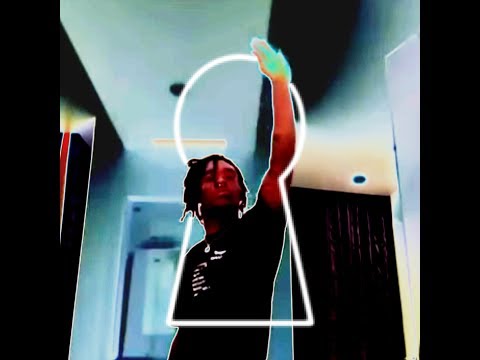
"I Can Show You" — Lil Uzi Vert
The Streaming Era and the Chart at Warp Speed
By March 2020, the Billboard Hot 100 operated in a fundamentally different manner than it had even a decade earlier. Streaming counts, video views, and digital sales had been woven into its methodology in ways that allowed tracks to appear on the chart almost the moment they were released to a sufficiently large audience. For artists like Lil Uzi Vert, who had built enormous streaming audiences over the preceding years, this environment meant that releasing material directly generated chart activity without the traditional promotional machinery of radio campaigns and physical distribution.
Lil Uzi Vert arrived at March 2020 as one of the most commercially potent figures in hip-hop. Following the massive success of Luv Is Rage 2 and the sustained streaming dominance of tracks from that project, the Philadelphia rapper had accumulated a fan base of extraordinary size and loyalty. The anticipation surrounding his long-delayed album Eternal Atake had been building for years, and when the project finally arrived, the chart responded immediately.
Part of a Massive Album Drop
Eternal Atake was released on March 6, 2020, and its arrival was one of the most discussed album drops of that year's first quarter. The project's delay had itself become a story, and the eventual release generated the kind of concentrated streaming activity that translates into immediate Billboard presence. Multiple tracks from the album entered the Hot 100 simultaneously, a pattern that had become increasingly common as streaming allowed entire albums to chart based on initial release enthusiasm.
"I Can Show You" debuted and peaked at number 66 on the Billboard Hot 100 on March 28, 2020, spending one week on the chart. That single-week appearance was a product of the album-charting phenomenon, where tracks spike at release and then settle as listener attention distributes across a larger body of work and newer releases. The chart position, while modest, represented genuine streaming activity from a demonstrably large audience.
The Sound of the Track
Lil Uzi Vert's artistic identity at this point in his career was built around a fusion of hip-hop rhythms, pop melodicism, and an emotional register that drew on both hip-hop braggadocio and a kind of confessional vulnerability. His vocal style, characterized by pitch variation and melodic delivery, placed him in the lineage of artists who had blurred the boundary between rapping and singing, a lineage that had become dominant in mainstream hip-hop by the late 2010s.
The sonic palette of "I Can Show You" fits within the atmospheric, bass-heavy production aesthetic that defined much of Eternal Atake: dense layering, processed vocal effects, and the kind of immersive sound design that rewarded listening through headphones as much as speakers. The album concept drew loosely from science fiction and cult imagery, and the production aesthetic served that thematic framework.
March 2020 as Context
The release of Eternal Atake and the brief chart appearance of its tracks coincided almost exactly with the beginning of pandemic lockdowns across the United States. The album arrived in a world that was in the process of shutting down, and the fact that it registered so strongly on the charts in those first weeks of March 2020 speaks to the depth of engagement Lil Uzi Vert's audience maintained even as social reality convulsed around them.
Music streaming accelerated during the lockdown period as people sought entertainment and distraction, and albums that landed at the precise moment of that transition benefited from unusually concentrated listening activity. Eternal Atake found its audience at a moment when that audience had nowhere else to go, a circumstance that shaped its commercial reception in ways that chart figures alone do not fully capture.
Uzi's Position in the Streaming Generation
The brief chart appearance of "I Can Show You" tells only a small part of the story of Lil Uzi Vert's commercial and cultural position in 2020. His streaming numbers across his catalog dwarfed what chart placements suggested, and his influence on a younger generation of hip-hop artists was already traceable in the melodic delivery and emotional directness of numerous contemporaries and successors.
The one-week Hot 100 appearance represents one data point in a career that is more accurately measured through streaming totals, concert attendance, and cultural penetration than through any single chart metric. For new listeners coming to the track through playlists or algorithmic discovery, it offers an entry point into an artist whose full artistic statement requires engagement with a larger body of work. Press play and let the headphone production do its work.
"I Can Show You" — Lil Uzi Vert's singular moment on the 2020s charts.
02 Song Meaning
"I Can Show You" — Confidence, Invitation, and the Uzi Aesthetic
The Art of the Proposition
Lil Uzi Vert's musical persona at the time of Eternal Atake's release was built around a particular kind of confidence: the assurance of someone who has achieved extraordinary success at a young age and now exists in a space between aspiration and arrival. I Can Show You fits within that persona, framing itself as an invitation extended from that position of achieved status. The title phrase implies that the speaker possesses something worth seeing, an experience or a world that the listener has not yet accessed.
This kind of lyrical proposition, the offer to show or reveal something exclusive, functions as a standard move in luxury-lifestyle hip-hop, but Uzi's version carries a specific flavor shaped by his alien aesthetic and the science fiction framework of the album. The "showing" is not simply about material display; it resonates with the album's conceptual interest in altered states and elevated perspectives.
Melodic Rap and Emotional Register
Lil Uzi Vert helped consolidate a particular approach to hip-hop vocal delivery that became dominant in the late 2010s: the blurring of rap and melody into a continuous emotional texture. On tracks like this one, the distinction between rapping and singing dissolves almost entirely, creating a flow that prioritizes feeling over textual precision. The emotional impact is cumulative and atmospheric rather than dependent on specific lyrical content.
This approach to vocal performance has roots in earlier artists, including Lil Wayne's melodic experiments and the broader influence of artists like Young Thug who developed highly personal vocal styles that treated pitch and texture as primary expressive tools. Uzi extended this tradition in a direction that emphasized a particular kind of emotional vulnerability wrapped in aggressive aesthetic signaling.
The Eternal Atake Framework
Understanding any individual track from Eternal Atake requires some engagement with the album's larger conceptual framework. The project drew on science fiction imagery, cult references, and a persistent interest in the uncanny and the otherworldly. These elements gave the album a coherent aesthetic identity that distinguished it from contemporaneous hip-hop projects, and they also gave individual tracks layers of resonance that a purely surface-level listening might miss.
The production environment of "I Can Show You" supports this framework: the atmospheric density, the processed sound design, and the immersive headphone experience all position the track within a musical world that has its own internal logic rather than simply following mainstream sonic conventions. For listeners who engage with the album as a complete work, the track gains meaning from its context.
Youth Culture and the Streaming Moment
Lil Uzi Vert's core audience in 2020 was predominantly young, and the themes and aesthetics of his music reflected the particular concerns of that demographic: the navigation of success and its complications, the language of online community, and the emotional registers made familiar by years of social media communication. The song participates in a cultural vocabulary that older listeners may find opaque but that functions as a native language for the generation that grew up with streaming as the primary mode of music consumption.
That generational specificity is both a limitation and a strength. The track speaks most directly to a particular audience at a particular historical moment, but within that audience and that moment, its resonance was real and its cultural impact measurable. Chart longevity is not the only metric that matters.
→ More from Lil Uzi Vert
View all Lil Uzi Vert hits →



→ More from the 2020s File
View all 2020s hits →




Keep digging