The 2020s File Feature
The Voice
Lil Durk and "The Voice": Chart History and Recording Legacy Durk Derrick Banks, known professionally as Lil Durk, emerged from Chicago's South Side as one o…
01 The Story
Lil Durk and "The Voice": Chart History and Recording Legacy
Durk Derrick Banks, known professionally as Lil Durk, emerged from Chicago's South Side as one of the most distinctive voices in drill music. Born in October 1992 in the Englewood neighborhood, he signed to Only the Family, his own label imprint, before eventually joining forces with Interscope Records and EMPIRE Distribution. By the time "The Voice" arrived in 2020, Durk had already spent nearly a decade building a fanbase through mixtapes, collaborations, and a string of projects that documented street life in Chicago with unflinching specificity.
"The Voice" was released as a standalone single on September 4, 2020, appearing at a moment when Lil Durk's career was ascending rapidly. The track was produced by Chopsquad DJ, a longtime collaborator whose production had defined much of Durk's sonic palette throughout the late 2010s. The song draws its title and its central metaphor from a nickname Durk had cultivated across years of recordings, a recognition of his unmistakable vocal signature, a melodic, warbled delivery that sits somewhere between traditional rap cadences and Auto-Tune-assisted singing.
The Billboard Hot 100 chart dated September 19, 2020 showed "The Voice" debuting at position 62, a strong entrance that reflected the song's immediate impact across streaming platforms. The single spent one week on the Hot 100, but that single appearance validated the commercial weight Durk carried in the streaming era. By 2020, chart success for hip-hop artists was increasingly determined by the first-week streaming totals, and "The Voice" generated significant numbers upon release, accumulating approximately 91 million YouTube views over its lifetime on the platform.
The single arrived during one of the most productive stretches of Lil Durk's career. His collaborative album with Lil Baby, "The Voice of the Heroes," would follow in 2021, debuting at number one on the Billboard 200 and cementing both artists as dominant forces in contemporary rap. The title of that album directly referenced "The Voice," suggesting that the single had become not just a song but a statement of artistic identity Durk was willing to build on and amplify.
The Chicago Drill Context
To fully appreciate the significance of "The Voice," one must understand the environment from which it emerged. Chicago drill music developed in the early 2010s around figures like Chief Keef, G Herbo, and Chance the Rapper, each representing different facets of the city's cultural output. Durk's contribution to drill was less about aggression in isolation and more about emotional vulnerability embedded within tough subject matter. He was among the first drill artists to consistently apply melodic hooks and emotionally resonant delivery to lyrics about violence, loss, and loyalty.
By 2020, Durk had released multiple mixtapes and albums including "Lil Durk 2X" (2016), "Signed to the Streets 3" (2018), and "Just Cause Y'all Waited 2" (2020), the last of which appeared just months before "The Voice." His productivity during the COVID-19 pandemic period was remarkable, releasing material at a pace that kept him at the forefront of streaming conversations even as live touring halted globally.
The production on "The Voice" exemplifies the sonics that defined early 2020s drill-adjacent hip-hop. Chopsquad DJ crafted a beat built on sparse, high-pitched keyboard melodies, rolling hi-hats, and hard-hitting 808 bass patterns. The arrangement creates space for Durk's vocal performance rather than overwhelming it, a production philosophy that had long suited his delivery. The song's structure is relatively compact, relying on the repetition of its central refrain to drive home the identity claim embedded in its title.
Reception, Streaming, and Cultural Resonance
Critical reception to "The Voice" was positive within hip-hop circles, with reviewers noting the song's confident simplicity. The track was not attempting to reinvent any formula but was instead refining and asserting a style Durk had developed across hundreds of songs. Music journalists in 2020 frequently pointed to Durk's ability to sound genuinely emotional even on tracks that might otherwise read as brash self-promotion.
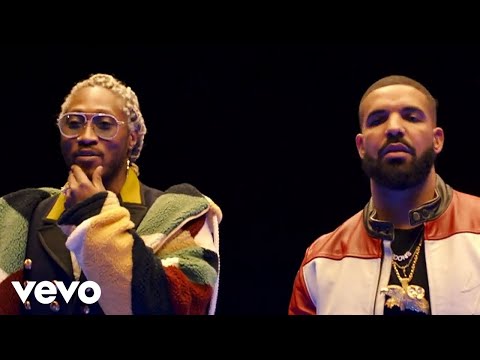
The song's commercial reach extended well beyond its single week on the Hot 100. Streaming platforms showed sustained listening through 2020 and 2021, and the track appeared on several fan-curated playlists celebrating Durk's best work. Its YouTube video, directed with an aesthetic typical of high-budget rap videos of the period, racked up tens of millions of views in the weeks following release.
By the time "The Voice" arrived, Lil Durk had also become a fixture of collaborative hip-hop. He appeared on tracks with Drake, Future, Gunna, Young Thug, and virtually every major figure in the Atlanta-Chicago axis of trap and drill music. "The Voice" functioned as a declaration of individuality within that ecosystem, a reminder that despite his many collaborations, Durk possessed a sound entirely his own.
The song also connects to a broader tradition within hip-hop of artists releasing tracks that serve as encapsulations of their personal brand. From Rakim's declarations of lyrical supremacy to more modern examples in the genre, artists frequently release songs that function as identity statements. "The Voice" belongs to this category, its impact measured not just in chart positions but in how it contributed to the ongoing construction of Lil Durk as a cultural figure.
His subsequent career bore out the promise of "The Voice." In 2021 and 2022, Durk delivered some of the most commercially successful work of his career, including the number-one collaborative effort with Lil Baby. The song served as both a calling card and a bridge between his mixtape era and his full commercial maturity, marking a transition point visible only in retrospect but significant nonetheless to students of his discography.
02 Song Meaning
Identity, Authority, and Self-Naming in "The Voice"
"The Voice" operates on a deceptively simple premise: Lil Durk announces and reaffirms his identity as the dominant voice in his corner of hip-hop. The song's title, its structure, and its delivery all converge on this single thesis. In doing so, it participates in one of the oldest rhetorical traditions within rap music, the declaration of self as the defining figure of a moment, a city, or a generation.
The nickname "The Voice" had circulated in Lil Durk's community for years before this recording crystallized it. Within Chicago hip-hop culture, Durk had earned the title through consistent output and a vocal signature that fans found instantly recognizable. The act of building a song around this title transforms the nickname into something closer to a manifesto. Rather than allowing the label to circulate passively, Durk claims it actively, embedding it in music that will then circulate on its own terms.
Thematically, the song addresses loyalty, reputation, and the consequences of operating in environments defined by danger and instability. Durk's lyrics consistently draw on personal history and the texture of street life in Englewood, Chicago, treating authenticity as both artistic and moral currency. The song positions Durk as someone who has earned his status through lived experience, not through performance or imitation, a distinction that carries significant weight within hip-hop's value system.
Vocal Performance as Meaning
One of the most analytically interesting dimensions of "The Voice" is the way the delivery itself becomes part of the argument. Durk's vocal approach, characterized by melodic phrasing, controlled vibrato, and strategic use of Auto-Tune, is not merely a stylistic choice but a statement about what hip-hop can be. In a genre that has historically prized lyrical complexity and verbal dexterity, Durk's melodic drift represented a different conception of emotive power.
By 2020, this approach had been validated commercially across the genre, with artists from Post Malone to Roddy Ricch demonstrating that melodic rap could generate massive streaming numbers. Durk's version of this approach was, however, distinctly rooted in Chicago's tradition of emotionally raw expression. The melancholic undertone present in his delivery on "The Voice" reflects a tradition of blues-inflected sorrow that runs beneath the surface of much Chicago music regardless of genre.
The production's sparse quality amplifies this vocal focus. When Chopsquad DJ strips the beat down to its essential elements, what remains is Durk's voice and the space around it. This arrangement choice is itself a form of argument, suggesting that the voice is sufficient, that it does not need ornamentation or distraction to carry the song's meaning.
Grief, Loss, and the Obligation to Speak
Running through much of Durk's catalog, and present in the emotional atmosphere of "The Voice," is a preoccupation with loss. Durk has spoken extensively in interviews about the deaths of close friends and associates, and this grief has shaped his artistic perspective in documented ways. "The Voice" does not dwell on specific losses, but the emotional weight of its delivery and the urgency of its identity claim carry traces of this biographical context.
The act of asserting oneself as "the voice" in this context takes on an additional dimension: it becomes an obligation to speak for those who cannot, to represent a community whose stories might otherwise go untold. This is not an interpretation that the song makes explicit, but it is one that aligns with the broader project of Durk's artistic career and the function that confessional hip-hop has historically served in communities with limited mainstream representation.
The cultural impact of "The Voice" extended beyond its chart performance, influencing how subsequent artists positioned themselves and how audiences understood Durk's role within Chicago's creative ecosystem. The song became a reference point in conversations about authenticity in contemporary rap, frequently cited as an example of an artist successfully translating street credibility into mainstream appeal without sacrificing the qualities that made the credibility meaningful in the first place.
The song's enduring presence on streaming platforms and its role as a touchstone in Durk's catalog also speak to the way certain tracks function as orientation points in an artist's narrative. Listeners returning to Durk's work often encounter "The Voice" as the moment when his self-definition became most compressed and most explicit, a useful lens through which to understand everything that came before and after it.
→ More from the 2020s File
View all 2020s hits →



Keep digging