The 2020s File Feature
The Bigger Picture
The Bigger Picture: Lil Baby's Protest Anthem and the George Floyd Moment Few songs released in 2020 captured the emotional and political urgency of that yea…
01 The Story
The Bigger Picture: Lil Baby's Protest Anthem and the George Floyd Moment
Few songs released in 2020 captured the emotional and political urgency of that year's racial justice reckoning with the force and clarity of Lil Baby's "The Bigger Picture." Released on June 12, 2020, just weeks after the murder of George Floyd by Minneapolis police officer Derek Chauvin on May 25, the song arrived at a moment when the entire United States was engaged in the most significant public conversation about systemic racism and police violence in a generation. Lil Baby channeled that moment into one of the defining hip-hop recordings of his career and one of the most politically explicit popular music releases in years.
The timing of the release was not incidental. The nationwide protests that followed Floyd's death, which had been recorded on video and circulated globally, brought hundreds of thousands of people into the streets and generated an unprecedented wave of corporate, political, and cultural responses. Lil Baby, who was born Dominique Armani Jones in Atlanta, Georgia, had built his career primarily around trap music that dealt with the realities of street life, incarceration, and the pursuit of success against difficult odds. "The Bigger Picture" represented his most direct engagement with systemic racism and police brutality as political and social problems rather than merely biographical facts.
The song was produced by Turbo, a prominent Atlanta-based producer who had worked extensively with Lil Baby and other major hip-hop artists. The production favored an emotional, minor-key atmosphere that suited the gravity of the subject matter, providing a backdrop that elevated the track above the trap aesthetics of his earlier work without abandoning the sonic DNA that his audience associated with him. The restraint in the production allowed the lyrical content to carry the dominant emotional weight, which was a meaningful choice for an artist who had previously leaned heavily on the atmospheric density of trap production.
On the Billboard Hot 100, "The Bigger Picture" reached number three, making it one of the highest-charting explicitly political hip-hop songs in recent memory. This remarkable commercial performance, achieved by a song with no romantic hook, no conventional pop appeal, and no attempt to soften its political message, testified to the unique cultural conditions of June 2020, when millions of Americans were actively seeking out content that spoke to the crisis they were witnessing. Streaming numbers in the weeks following the song's release were extraordinary.
The song also performed strongly on the Hot R&B/Hip-Hop Songs chart, and its chart presence was sustained over several weeks as the cultural conversation it had entered continued to evolve. Quality Control Music and its distribution partners supported the release with promotion that recognized the song's unusual position as both a commercial product and a piece of cultural advocacy. The label navigated the sensitivity of the moment with awareness that the song's authenticity was its primary asset.
Critical reception was immediately and overwhelmingly positive. Reviewers across hip-hop and mainstream music publications recognized the song as an exceptional piece of protest music that worked precisely because it came from a position of authentic experience rather than performative allyship. Lil Baby was not an established political voice, which made the song more persuasive rather than less: this was an artist speaking from his own encounters with the systems he was describing, not adopting a cause for commercial or reputational purposes.
The song appeared on Lil Baby's deluxe version of his album My Turn, which had originally been released in February 2020 before the Floyd protests. The addition of "The Bigger Picture" to the expanded version gave the album new cultural weight and contributed to its extraordinary commercial performance throughout 2020, as the album spent weeks near the top of the Billboard 200 chart across the full year.
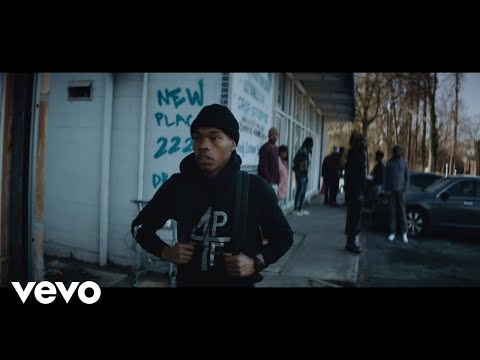
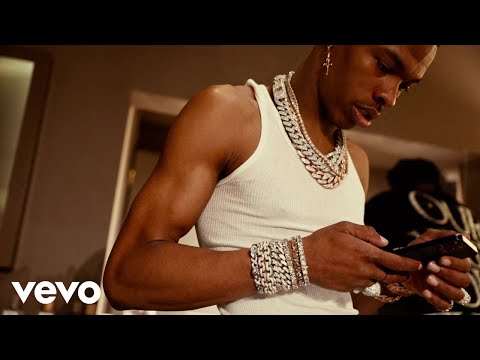
The accompanying music video reinforced the song's message with imagery drawn directly from the protest movement, featuring footage of demonstrations alongside scenes that contextualized Lil Baby's own experiences with police and the criminal justice system. The video was widely circulated across social media platforms and became one of the most-viewed music video releases of the summer.
Within the history of hip-hop as political speech, "The Bigger Picture" belongs to a tradition that includes Public Enemy, N.W.A., Kendrick Lamar, and other artists who used the form's popular commercial reach to deliver messages about racial injustice to mainstream audiences. What distinguished Lil Baby's contribution was the combination of his genuine commercial momentum, his biographical credibility, and the singular historical urgency of the moment into which the song arrived.
02 Song Meaning
The Meaning of The Bigger Picture: Systemic Racism, Personal Truth, and the Call to Wake Up
"The Bigger Picture" is one of the most significant political statements in contemporary hip-hop, arriving at a historical inflection point and drawing its power from the specificity of personal experience applied to systemic critique. Lil Baby does not speak in the abstract language of policy or ideology. He speaks from his own encounters with law enforcement and the criminal justice system, from his knowledge of what it means to grow up Black in Atlanta in the twenty-first century, and from the grief and anger of watching another Black man die on video at the hands of police while the world watched.
The song's title directs attention outward, beyond the individual incident to the pattern it represents. This is the essential move of the song as a political document: insisting that the murder of George Floyd was not an aberration but an expression of a systemic reality that has shaped Black American life across generations. The "bigger picture" is not a metaphor for optimism or consolation but an insistence on seeing the full scope of what is actually happening, even when that seeing is painful and demand something in response.
The lyrical content moves between personal narrative and collective statement with a fluency that makes the political argument feel earned rather than imposed. Lil Baby describes his own experiences with police and with the criminal justice system as context for his engagement with the broader crisis, which prevents the song from feeling like a statement adopted from the outside. He is describing a reality he has lived, and that biographical grounding gives the political content an authority that no amount of rhetorical skill alone could have produced.
The song also addresses the complexity of protest and change, acknowledging the distance between demonstrations and policy transformation. This honest engagement with the limits of what street-level activism can immediately achieve distinguished the song from simpler protest anthems that promise change without reckoning with the structural forces that resist it. Lil Baby does not offer easy consolation, which is part of what makes the song trustworthy as a political document.
Within his catalog, "The Bigger Picture" represents a significant expansion of Lil Baby's artistic identity. He had been an extraordinarily commercially successful artist before the song's release, but primarily within the conventional modes of trap music: lifestyle narratives, street survival stories, and romantic themes. "The Bigger Picture" demonstrated that he was capable of the kind of political music that had historically been associated with a different tradition of hip-hop, and it did so without sounding like an impersonation of that tradition. The distinctiveness of his voice and his approach carried into entirely new subject matter.
For listeners in 2020, the song functioned as a form of witness, a piece of music that reflected the emotional reality of the moment back at the people living through it. This is one of the things popular music does at its best: it gives form and shared language to experiences that might otherwise remain fragmented and private. "The Bigger Picture" achieved this at a scale that very few songs manage, reaching millions of people during weeks when the experiences it described were central to the national consciousness.
The song's lasting meaning is inseparable from the moment of its creation, but it also points toward something more enduring: the particular power of authentic witness in popular music, and the degree to which an artist's credibility is determined not by their credentials but by whether what they say rings true. Lil Baby said something true in June 2020, and the scale of the response reflected how many people were waiting to hear it said in exactly that way.
→ More from Lil Baby
View all Lil Baby hits →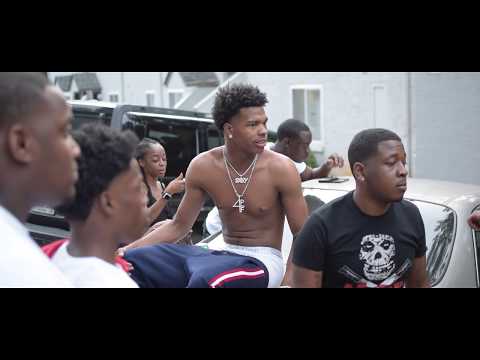
→ More from the 2020s File
View all 2020s hits →

Keep digging