The 2020s File Feature
Voice Of The Heroes
Voice Of The Heroes: Lil Baby and Lil Durk's Statement of Purpose at the Genre's Commercial Peak "Voice Of The Heroes" arrived in June 2021 as both a commerc…
01 The Story
Voice Of The Heroes: Lil Baby and Lil Durk's Statement of Purpose at the Genre's Commercial Peak
"Voice Of The Heroes" arrived in June 2021 as both a commercial document and a declaration of intent from two of rap's most commercially dominant artists. Lil Baby and Lil Durk, the Atlanta and Chicago representatives of contemporary trap's mainstream wing, released the collaborative album The Voice of the Heroes on June 4, 2021, and its title track entered the Billboard Hot 100 on June 12, 2021, at position eighty-one before climbing dramatically to number twenty-one the following week, a jump of sixty positions that ranked among the more striking single-week chart movements of the year. The song spent three weeks total on the chart, with its peak at twenty-one on June 19, 2021.
Lil Baby, born Dominique Armani Jones in Atlanta in December 1994, had established himself as one of the most consistently successful commercial rappers of the late 2010s and early 2020s through a series of albums and mixtapes that combined melodic trap production with earnest, emotionally direct lyrical content. His 2020 album My Turn debuted at number one on the Billboard 200 and sustained remarkable commercial momentum over subsequent months, making him one of the dominant streaming presences of that year.
Lil Durk, born Durk Derrick Banks in Chicago in October 1992, represented a parallel trajectory from a different geographic base. Coming from Chicago's drill scene and its descendant aesthetics, Durk had built a reputation for a vocal style characterized by an auto-tune-assisted melodic approach and lyrical content that drew on the specific experiences of Chicago's South Side with unusual directness. His 2021 album The Voice had been released earlier in the year and had sustained strong commercial performance leading into the collaborative project.
The album's production draws on the sonic vocabularies that both artists had developed in their respective solo careers, combining the melodic Atlanta trap of Lil Baby's regular collaborators with the drill-influenced elements that had characterized Durk's catalog. The title track in particular features a production approach that balances both aesthetics, with a beat structure that accommodates both artists' vocal styles without forcing either into an unfamiliar sonic context. The production team assembled for the album included several of the most in-demand beatmakers in the genre, resulting in a consistently polished sonic backdrop.
The chart jump from eighty-one to twenty-one in a single week, a move of sixty positions, was driven primarily by the extraordinary first-week streaming performance of the album. When a major collaborative project releases, fans often engage with the entire catalog simultaneously, and the chart positioning of individual tracks reflects this behavior. The combined streaming weight of both artists' fanbases created a powerful opening surge that pushed the title track and several other album cuts onto the Hot 100 simultaneously.
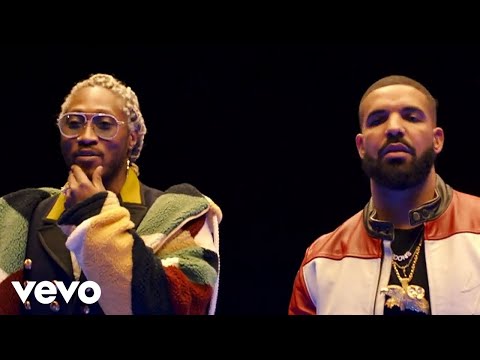
The YouTube video accumulated approximately 45 million views, a figure that reflects both the size of the combined fanbase and the continuing appeal of the video content as a standalone piece separate from the album context. The video's production, while following familiar luxury-signaling conventions, was executed with the kind of craft that the commercial ambitions of the release required.
The collaborative dynamic between Lil Baby and Lil Durk had been anticipated by fans for some time before the album's release. Both artists had appeared on each other's records and had publicly discussed their mutual admiration and friendship, making the full-length collaboration feel like the natural culmination of an existing creative relationship rather than a pairing arranged for commercial reasons. This sense of authenticity in the collaboration contributed to the enthusiastic reception the project received from the core fanbase of both artists.
In the broader context of 2021 rap, the album and its title track participated in a wave of high-profile collaborative projects that reflected the genre's increasing orientation toward streaming optimization. Two established artists combining their fanbases for a shared project is a strategy that had been executed multiple times in the preceding years, but Lil Baby and Lil Durk brought a degree of genuine creative alignment that made their collaboration feel less calculated and more natural than some of its predecessors.
The "heroes" framing in the album and track title is significant. Both artists had been vocal about their identification with their home communities and their sense of responsibility to the people they grew up with and around. The hero language suggests not superhero mythology but the simpler idea of people who survive difficult circumstances, build something meaningful from limited resources, and provide through their success a demonstration that escape from those circumstances is possible. This conception of heroism, rooted in community and survival rather than in combat or conquest, is consistent with the emotional substance of both artists' most characteristic work.
The song's three-week chart run, while brief compared to the sustained performances of some 2021 releases, represented the kind of impact appropriate to an album-track rather than a dedicated single. Its movement from eighty-one to twenty-one in a week showed genuine audience engagement with the specific recording rather than merely passive exposure, and its position as the album's title track gave it a lasting significance within both artists' catalogs that extends beyond the brief chart window.
02 Song Meaning
Heroism Redefined: The Thematic Argument of "Voice Of The Heroes"
"Voice Of The Heroes" builds its central argument around a specific and culturally grounded conception of heroism that departs significantly from the term's conventional popular usage. The heroes invoked in the title and throughout the track are not figures of mythological or fictional stature but people who navigated genuinely dangerous and economically constrained circumstances, maintained their values and their relationships under pressure, and emerged with enough stability and success to speak from a position of earned authority rather than inherited privilege.
This conception of heroism has deep roots in the communities from which both Lil Baby and Lil Durk come. In Atlanta's poorer neighborhoods and on Chicago's South Side, the category of hero is populated not by conventional figures of authority but by those who manage to survive, to provide for their families, and to build something durable from conditions that were not designed to produce success. The track's emotional claim is that this form of achievement is as worthy of celebration and recognition as any more conventionally endorsed form of excellence.
The geographic specificity of both artists' backgrounds is present in the track as a form of credentialing, an assurance that the heroism being described is not abstract but rooted in specific places and specific experiences. Lil Baby's Atlanta and Lil Durk's Chicago represent distinct cultural and social contexts, but the underlying experience of navigating poverty, violence, and limited institutional support while building something meaningful provides a common ground that the collaboration makes audible. The pairing of two different cities' voices on a track about heroes suggests that the experience being described is not locally specific but broadly representative of a set of conditions common to many American urban communities.
The tone of the track is confident and retrospective rather than defensive or angry. The speakers are not arguing for recognition they have been denied but rather asserting a status they understand themselves to have earned. This confident retrospection is thematically significant because it positions the song within a tradition of victory-lap records that celebrate survival and success rather than documenting ongoing struggle. The emotional register is one of earned satisfaction, the feeling of having come through something difficult and being able to look back at the distance traveled.
The collaborative structure of the track enacts its thematic content. Two artists who have each navigated the transition from difficult origins to commercial success, bringing their respective voices and stylistic approaches into a shared space, perform in real time the kind of mutual recognition and support that the hero concept implies. The collaboration is itself a demonstration of the values the song describes, a loyalty between peers who understand each other's journey because they have traveled comparable routes from comparable starting points.
For the audience that responded most strongly to the track, the appeal lies in the recognition that the song offers, the sense of seeing one's own experience of difficulty and perseverance acknowledged in a form that is both artistically significant and commercially visible. Popular music's capacity to render specific community experiences legible to audiences outside those communities is one of its most socially significant functions, and "Voice Of The Heroes" performs this function with particular clarity, translating experiences that might otherwise remain invisible to audiences with no direct access to them.
The song ultimately argues that the most meaningful form of recognition is not institutional or external but comes from those who share the same frame of reference. To be called a hero by someone who understands what the designation costs and what it means is worth more than any credential issued from outside the community being described. That argument, delivered in the confident, unhurried tones of two artists at the height of their commercial power, is the track's most lasting thematic contribution.
→ More from the 2020s File
View all 2020s hits →



Keep digging