The 2020s File Feature
Forever
Forever — Lil Baby Featuring Lil Wayne (2020) "Forever" was released on October 9, 2020, as a standalone single featuring Lil Wayne, released through Quality…
01 The Story
Forever — Lil Baby Featuring Lil Wayne (2020)
"Forever" was released on October 9, 2020, as a standalone single featuring Lil Wayne, released through Quality Control Music and Motown Records. The collaboration brought together two artists from different generations of the Atlanta and New Orleans rap traditions: Lil Baby, who had emerged as one of the most commercially dominant rappers of the late 2010s, and Lil Wayne, the Cash Money Records legend whose influence on a generation of rappers including Lil Baby himself was widely acknowledged and explicitly celebrated in the song's content.
The track was produced by Wheezy, one of the central production figures in Atlanta trap music, whose spacious, melodically rich production style had contributed to a significant number of Lil Baby's most successful releases. Wheezy's beat for "Forever" was built around a mid-tempo trap framework with melodic keyboard elements that gave the track an emotional warmth atypical of the harder-edged production that had defined some of Baby's earlier work. The production matched the reflective and aspirational subject matter of the song's lyrics.
Commercially, "Forever" charted on the Billboard Hot 100 and performed strongly on rap and R&B tracking charts, benefiting from the enormous streaming infrastructure Lil Baby had built through his 2020 output. The year 2020 had been extraordinary for Baby commercially; his album My Turn had debuted at number one on the Billboard 200 in March 2020 with approximately 197,000 equivalent album units in its first week and had sustained remarkable longevity on the chart through the pandemic period, when streaming numbers surged industry-wide.
Lil Wayne's contribution to "Forever" was received with particular enthusiasm by fans who had long considered him a formative influence on the melodic rap style that Lil Baby had popularized. Wayne's verses demonstrated the improvisational verbal acrobatics and wordplay that had made him the most celebrated rapper of his era in the mid-to-late 2000s, and his participation in a Lil Baby track was read as a form of generational torch-passing, an established legend appearing on the work of an heir apparent and treating the collaboration as a peer exchange rather than a favor.
The song arrived during a politically charged moment in the United States. October 2020 was the final weeks of the presidential campaign, and Lil Baby had become notably engaged in discussions of criminal justice and police violence following the social justice movements of summer 2020. He had released the protest song "The Bigger Picture" in June 2020, which became one of the most commercially successful and culturally resonant protest rap songs in years, debuting at number three on the Billboard Hot 100. "Forever" offered a complementary perspective, focusing on aspirations and survival rather than systemic critique.
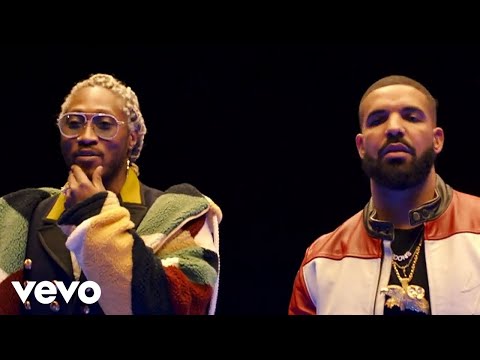
The music video for "Forever" featured elaborate production values consistent with the commercial status of both artists, with imagery that reflected the luxury and ambition described in the song's lyrics while also including visual references to the communities and experiences that had shaped both rappers' trajectories. The video accumulated substantial YouTube views rapidly, driven by the combined fan bases of the two artists.
The release also demonstrated Lil Baby's ability to extend his commercial run beyond the album cycle, maintaining chart relevance through standalone singles and collaborative releases in the months following My Turn's peak commercial period. His management and label strategy during 2020 was widely discussed in the music industry as a model for maximizing streaming momentum across an extended release calendar rather than concentrating entirely on a single album rollout window.
Critically, "Forever" was received as a competent and enjoyable demonstration of both artists' strengths rather than a landmark statement, but the generational dimension of the collaboration gave it a significance beyond its immediate sonic qualities. The meeting of two artists who represented different eras of melodic rap's history in the trap context was itself culturally meaningful.
02 Song Meaning
The Meaning Behind "Forever"
"Forever" is a song about the desire to secure and extend the gains of success beyond one's own immediate experience, to build something that outlasts the individual and provides for the people who depend on the narrator. The title word, forever, frames ambition not as a momentary desire for personal gratification but as a project of permanence, a commitment to ensuring that what has been built will endure. For an artist like Lil Baby, whose trajectory from street life to global commercial success had been rapid and public, this kind of aspiration toward permanence carries a particular emotional weight.
The song addresses themes of loyalty, generational responsibility, and the particular consciousness of someone who has escaped scarcity and now bears responsibility for others who have not. Lil Baby's music throughout his career had consistently returned to the complicated feelings of a person whose success separates them from the environment and people that shaped them, and "Forever" is one of the more direct expressions of that theme. The desire to secure his future "forever" is inseparable from the desire to secure the futures of the people around him.
Lil Wayne's presence on the track adds a layer of meaning that the song could not have achieved with any other featured artist. Wayne is not merely a famous rapper making a guest appearance but a figure who represents a specific lineage of melodic, improvisational rap from which Lil Baby drew direct inspiration. When Wayne performs on "Forever," the generational dimension of the theme becomes literal, with a pioneer and his inheritor inhabiting the same sonic space and implicitly reflecting on the chain of influence and survival that connects them.
Wayne's verses carry their own engagement with the "forever" theme, reflecting from the vantage point of an artist who has navigated multiple decades in a genre that had been unkind to longevity. His continued commercial and artistic vitality at the time of "Forever" was itself a kind of answer to the question the song raises about permanence. That he was still making relevant, compelling music and that younger artists of Lil Baby's stature were eager to collaborate with him demonstrated that enduring creative relevance was achievable, even in a culture that tended to value novelty over sustained artistry.
The trap production framework, characterized by its rhythmic directness and its emphasis on atmosphere over melodic complexity, gave "Forever" a sonic environment consistent with its subject matter. Trap music has always been partly about the experience of being in motion, of pursuing something with urgency and focus, and the production on "Forever" captured that quality while also providing the melodic warmth appropriate to a song about aspiration and connection rather than conflict or dominance.
The song also reflected the particular cultural moment of late 2020, when the pandemic had heightened awareness of mortality and the fragility of the present moment, making themes of permanence and endurance feel more charged than they might have in ordinary circumstances. Lil Baby's own political awakening during 2020, expressed most directly in "The Bigger Picture," had given his public profile a dimension of social consciousness that made even a more personal song like "Forever" resonate within a broader context of thinking about what matters and what endures.
Within Lil Baby's catalog, "Forever" occupies the space of sincere aspiration, the articulation of a desire for stability and legacy that underlies the more immediate pleasures of success that his music also celebrates. It is a song about wanting something to last, and the collaboration with Lil Wayne ensured that the desire it expressed was anchored in the reality of what endurance in rap actually looks like when it is achieved by artists of genuine ability and sustained commitment.
→ More from the 2020s File
View all 2020s hits →


Keep digging