The 2020s File Feature
Live Off My Closet
Live Off My Closet: Lil Baby and Future's Fashion-Forward Trap Anthem "Live Off My Closet" is a collaboration between Lil Baby and Atlanta legend Future that…
01 The Story
Live Off My Closet: Lil Baby and Future's Fashion-Forward Trap Anthem
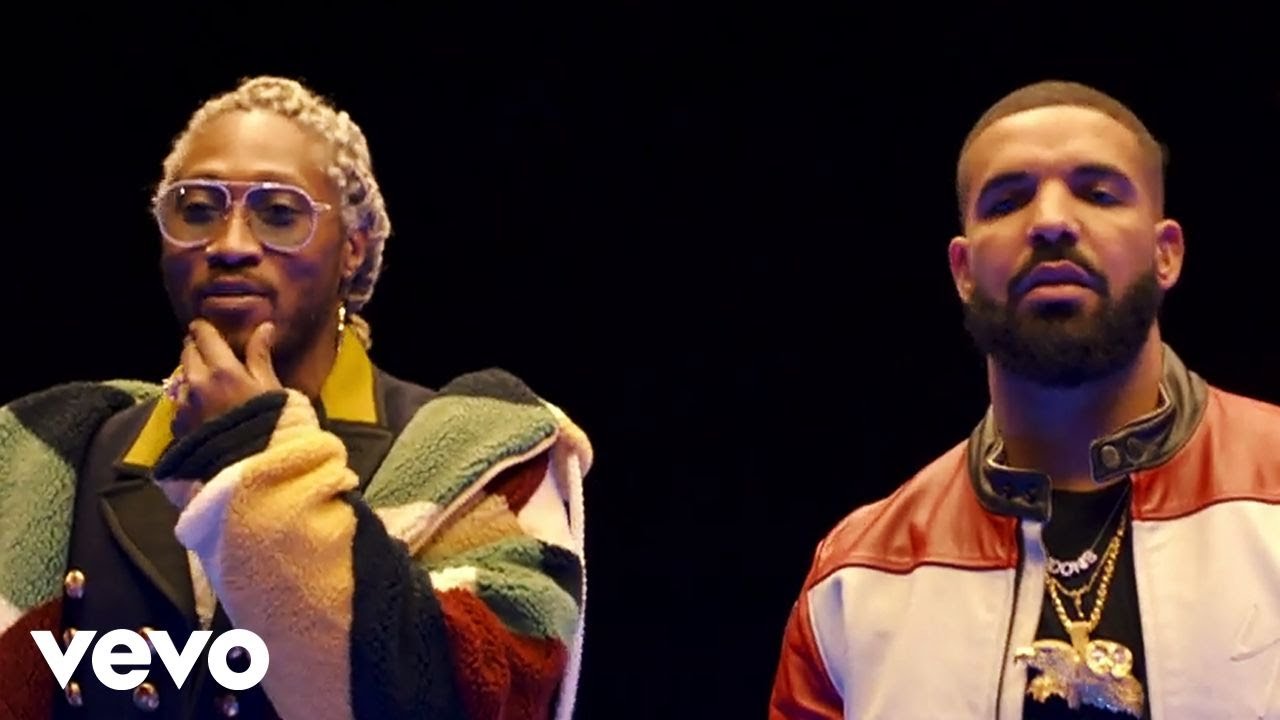
"Live Off My Closet" is a collaboration between Lil Baby and Atlanta legend Future that captured the lifestyle aspirations of trap's commercial peak era in 2020. The track was released on March 31, 2020, as part of Lil Baby's second studio album "My Turn," which became one of the defining rap releases of a year marked by enormous upheaval in the music industry due to the COVID-19 pandemic. The album arrived at a moment when streaming consumption was accelerating as audiences turned to music during lockdowns and social distancing.
"My Turn" debuted at number one on the Billboard 200 with approximately 197,000 album-equivalent units in its first week, an exceptional opening for a rap album in 2020. The project would go on to spend multiple weeks at or near the top of the chart, eventually becoming one of the longest-running number-one rap albums of the year. "Live Off My Closet" was among the tracks that received the most attention from both fans and critics as a highlight of the project.
The song pairs two Atlanta artists separated by roughly a decade in age but united by a shared obsession with luxury fashion and the material trappings of success achieved from humble beginnings. Future, born Nayvadius DeMun Wilburn, had by 2020 already established himself as one of the architects of melodic trap, and his presence on Baby's album was a form of generational endorsement. Future's Pluto label and Epic Records affiliations made him one of the most powerful figures in Atlanta's rap ecosystem, and his participation in "My Turn" carried implicit industry weight beyond the musical contribution.
The production on the track is lush and atmospheric, built on layered synth textures and a trap rhythm that prioritizes mood over aggression. The sonic choice reflects both artists' career trajectories by 2020, when both had moved toward a more refined, melodic presentation of trap that was designed for repeated listening and crossover streaming consumption rather than purely club or street contexts. Producers crafted the beat to give both artists ample space to develop their respective approaches without crowding the arrangement.
The title refers to the artists' ability to generate income through the clothing and accessories they wear, a reference to the economics of brand partnerships, sponsorships, and the attention economy of fashion in the social media age. Both Lil Baby and Future had established themselves as fashion figures whose choices in clothing and accessories carried genuine cultural influence. The song's premise treats the closet not merely as a storage space but as a commercial asset, a revenue stream in itself.
"My Turn" was eventually certified 4x Platinum by the RIAA, with multiple individual tracks from the project achieving their own certification milestones. "Live Off My Closet" benefited from the album's extended commercial life and continued to accumulate streams well beyond its initial release window, finding new audiences through playlist placement and recommendation algorithms on major streaming platforms.
The song's release during the early weeks of the global pandemic gave it an unusual cultural context. As physical fashion retail collapsed and social events disappeared, a song celebrating the pleasures of high-end clothing and social display carried a bittersweet quality for many listeners. Yet streaming numbers showed that audiences responded enthusiastically, perhaps because the aspirational fantasy it offered felt more appealing precisely when the lifestyle it described was temporarily inaccessible.
Critics who reviewed "My Turn" frequently singled out the Future collaboration as evidence of Lil Baby's ability to hold his own alongside established industry giants, a marker of his rapid commercial and artistic maturation since his 2017 debut. The track remains one of the more frequently discussed moments in his 2020 output and stands as a document of the cross-generational Atlanta rap alliance that defined the sound of the year.
02 Song Meaning
Live Off My Closet: Fashion, Identity, and the New Economics of Rap Luxury
"Live Off My Closet" engages with a set of themes that have become increasingly central to mainstream trap: the intersection of fashion, wealth, and personal identity in a social media environment where visibility and style are themselves forms of economic capital. The song is not simply a boast about expensive clothing. It is a meditation on how material success expresses itself through appearance, and how the accumulation of luxury fashion functions as both personal satisfaction and public communication.
The central conceit, earning income directly from one's wardrobe through brand relationships and cultural influence, reflects a genuine economic reality for artists at the level of Lil Baby and Future by 2020. Both had cultivated relationships with fashion brands and had become fixtures in streetwear and luxury fashion media. The song transforms a personal experience into a universal aspiration, inviting listeners to imagine a world in which style is not expenditure but investment.
Future's verses on the track layer an additional dimension onto the theme. His relationship to fashion and luxury had been a consistent thread through his discography since at least 2012, and by 2020 it carried the weight of a well-established persona rather than a new posture. When Future discusses what he wears, he speaks from a position of authentic cultural authority in the fashion world, which gives his contributions to the song a credibility that goes beyond simple braggadocio.
Lil Baby's approach is more rooted in the narrative of transformation, the distance traveled from scarcity to abundance. For him, the ability to live off one's closet represents a specific kind of freedom: the freedom from economic anxiety that had defined his early life. The luxury goods he describes are not frivolous in his framework. They are markers of a transition that his audience, many of whom come from similar economic backgrounds, can understand as genuinely meaningful rather than merely flashy.
The song participates in a longer tradition in hip-hop of using material description as a form of autobiography, a practice that stretches back to the genre's earliest commercial recordings. The brand names, the specific garments, the price points, these details function as a kind of testimony, evidence of a life changed by success and of a relationship to consumption that was once impossible and is now central. To describe what one owns in hip-hop has always been to describe who one has become.
The pairing of two Atlanta artists across generational lines also gives "Live Off My Closet" a particular resonance as a document of the city's rap ecosystem. Future represents the first generation of melodic trap architects; Baby represents those who learned from and built upon that template. Their collaboration on a track about shared values, luxury, identity, and the performative aspects of success, reads as a conversation across time as much as a simple feature. The song is partly about what Atlanta rap has built and the lifestyle it has made available to those who succeed within it.
Emotionally, the song operates in a register of confident pleasure rather than anxiety or hunger, suggesting that both artists have arrived at a comfortable relationship with their success rather than still striving toward it. This contentment, understated but palpable in the melodic delivery of both rappers, is itself meaningful in a genre that so often foregrounds struggle even in its celebration. The decision to build a track around the specific pleasure of fashion and material acquisition, rather than the more common themes of hustle and striving, marks a particular stage in the career trajectory of both artists: the stage at which success is no longer a goal being pursued but a condition being inhabited. "Live Off My Closet" captures that stage with unusual precision, making it a useful document not just of a particular sound or moment but of what it feels like to have arrived at a place one once could only imagine.
→ More from Lil Baby Featuring Future
View all Lil Baby Featuring Future hits →


→ More from the 2020s File
View all 2020s hits →


Keep digging