The 2020s File Feature
Happy Does
Happy Does: Kenny Chesney's Meditation on Contentment in 2020 Kenny Chesney's career across the late 1990s and 2000s had established him as the most commerci…
01 The Story
Happy Does: Kenny Chesney's Meditation on Contentment in 2020
Kenny Chesney's career across the late 1990s and 2000s had established him as the most commercially dominant touring force in country music, with a series of multi-platinum albums and arena and stadium tours that routinely set records for country music attendance. By 2020, he had maintained this commercial presence across more than two decades of recording and touring, a durability that few artists in any genre can claim. "Happy Does," released in 2020 on his Blue Chair Records imprint through Warner Music Nashville, was a single that demonstrated his continuing ability to find material that resonated with his audience's core values while engaging with the specific emotional circumstances of the period in which it was released.
The song arrived during a year in which questions about happiness, contentment, and the conditions that make a good life were being asked with particular urgency across American culture. The Covid-19 pandemic had disrupted the routines and assumptions of daily life for millions of people, forcing a reckoning with what genuinely mattered when external entertainments, social gatherings, and professional activities were suddenly unavailable. A song exploring the nature of happiness and contentment found a natural audience in this environment, not because it addressed the pandemic directly, but because its thematic concerns aligned with what people were thinking and feeling.
Chesney's artistic identity had long been rooted in a particular vision of the good life that emphasized outdoor pleasures, coastal settings, the company of friends, and a general rejection of urban stress and corporate ambition in favor of simpler satisfactions. This vision, developed across albums like When the Sun Goes Down and the long series of recordings featuring beach and island imagery, had made him one of the most recognizable aesthetic voices in country music. "Happy Does" fit naturally within this established artistic identity while bringing a more reflective, less celebratory tone than some of his most famous work in the beach-life genre.
The production of "Happy Does" reflected the craft standards that had characterized Chesney's work throughout his career. His collaborators in Nashville understood how to frame his voice and persona within productions that were polished enough to compete in contemporary country radio without losing the accessibility and warmth that connected him to his audience. The arrangement combined elements of acoustic country texture with the fuller sound that contemporary country production required for radio effectiveness, creating a balance that served both the song's introspective tone and its commercial context.
Chesney had established Blue Chair Records as his own imprint, giving him a degree of creative and commercial control that was unusual for artists in the major label system and that reflected both his commercial leverage and his investment in the long-term direction of his career. Working through a distribution relationship with Warner Music Nashville, the setup allowed him to make recording and release decisions without the full apparatus of major label involvement in the creative process, which had implications for the kind of material he could choose to record and release.
The song performed well on country radio, where Chesney's established presence and track record gave new material a strong starting position. His singles over the years had generated more than thirty number-one placements on the Billboard country charts, and "Happy Does" continued his engagement with the radio format that had been central to his commercial success across his career. The contemporary country radio landscape of 2020 was a competitive and format-conscious environment, but Chesney's long-established relationship with the format's audience meant that his new releases received sustained attention.
Critical reception of "Happy Does," written by David Lee Murphy and Craig Wiseman, acknowledged its thematic straightforwardness as a virtue rather than a limitation. Country music has always maintained a tradition of songs that state their emotional content directly without irony or complication, and "Happy Does" belonged to this tradition in its willingness to simply explore what happiness is and what produces it without hedging or qualifying its commitment to the subject. This directness was consistent with Chesney's overall artistic approach, which had never sought to complicate or subvert the genre's conventions but rather to work within them with maximum craft and emotional honesty.
The song's position within Chesney's discography as a whole places it in a late phase of a career that had achieved remarkable commercial longevity. His ability to continue making records that felt current while remaining consistent with the values and aesthetic that had built his audience over decades was itself a notable achievement, and "Happy Does" represented this ability in compact form, a new recording that sounded entirely like Kenny Chesney without sounding like a repetition of anything he had done before.
02 Song Meaning
The Meaning of Happy Does: Simplicity, Presence, and the Philosophy of Contentment
"Happy Does" engages with a philosophical question that is genuinely ancient but consistently relevant: what is happiness, and where does it come from? The song's approach to this question is characteristic of Kenny Chesney's artistic perspective, which has always located value in the immediate, the sensory, and the particular rather than in abstract goals or distant achievements. The argument the song makes is one that philosophers might recognize as experiential or even pragmatist, which is that happiness is constituted by what one does rather than by what one possesses or achieves, and that it tends to be found in small, immediate pleasures rather than in large, deferred satisfactions.
This is not a revolutionary philosophical position, but the song earns its place in the country tradition of wisdom literature by articulating it with warmth, specificity, and a genuine lack of condescension. The song is not instructing the listener to be happy in a particular way but rather celebrating and exploring what happiness actually looks like in practice, which is the kind of attentive observation of ordinary experience that the best country songwriting has always offered. The thematic concern connects to the tradition of songs about the good life that runs through country music from its earliest commercial period to the present.
The emphasis on doing rather than having is significant. Kenny Chesney's artistic identity has consistently been built around activities and experiences, the beach lifestyle, live music, outdoor gatherings, the company of friends, rather than around the accumulation of material goods that much of mainstream culture treats as the marker of success. "Happy Does" makes this emphasis explicit, drawing the distinction clearly between passive acquisition and active engagement with life as sources of genuine satisfaction. In the context of 2020, when many of the activities that Chesney's music celebrates had been made unavailable by the pandemic, this emphasis on what happiness requires in terms of presence and engagement carried additional resonance.
The song, written by David Lee Murphy and Craig Wiseman, also participates in a country music tradition of songs that function as instruction in how to live well. From the philosophical reflections of older country and folk traditions to more recent recordings that have explored questions of values and priorities, country has maintained a space for this kind of reflective wisdom literature. "Happy Does" places itself within this tradition while keeping its tone warm and accessible rather than preachy or didactic. The exploration feels like shared observation rather than prescription, which is the key quality that separates wisdom songs that feel genuine from those that feel like lectures.
For Chesney's catalog, the song represents the mature expression of values that have been implicit in his work for decades. His beach and island recordings, his live concert documentaries, and the general tenor of his artistic persona have all consistently pointed toward a vision of the good life centered on presence, pleasure, and connection with other people. "Happy Does" makes that vision explicit as a philosophical statement rather than simply embodying it as a lifestyle aesthetic, which gives it a slightly different and deeper quality than the more purely celebratory recordings that form the backbone of his commercial catalog. The Blue Chair Records and Warner Music Nashville platform gave this more reflective material the commercial reach it needed to find Chesney's extensive audience at a moment when its thematic content was particularly well-aligned with where that audience's attention was focused.
→ More from Kenny Chesney
View all Kenny Chesney hits →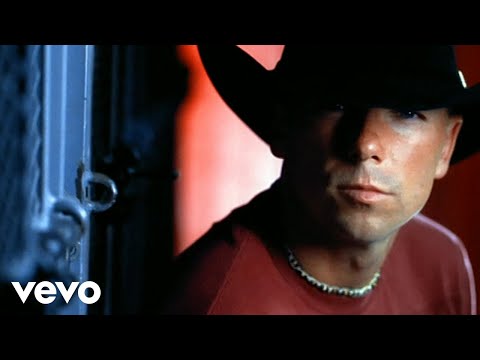
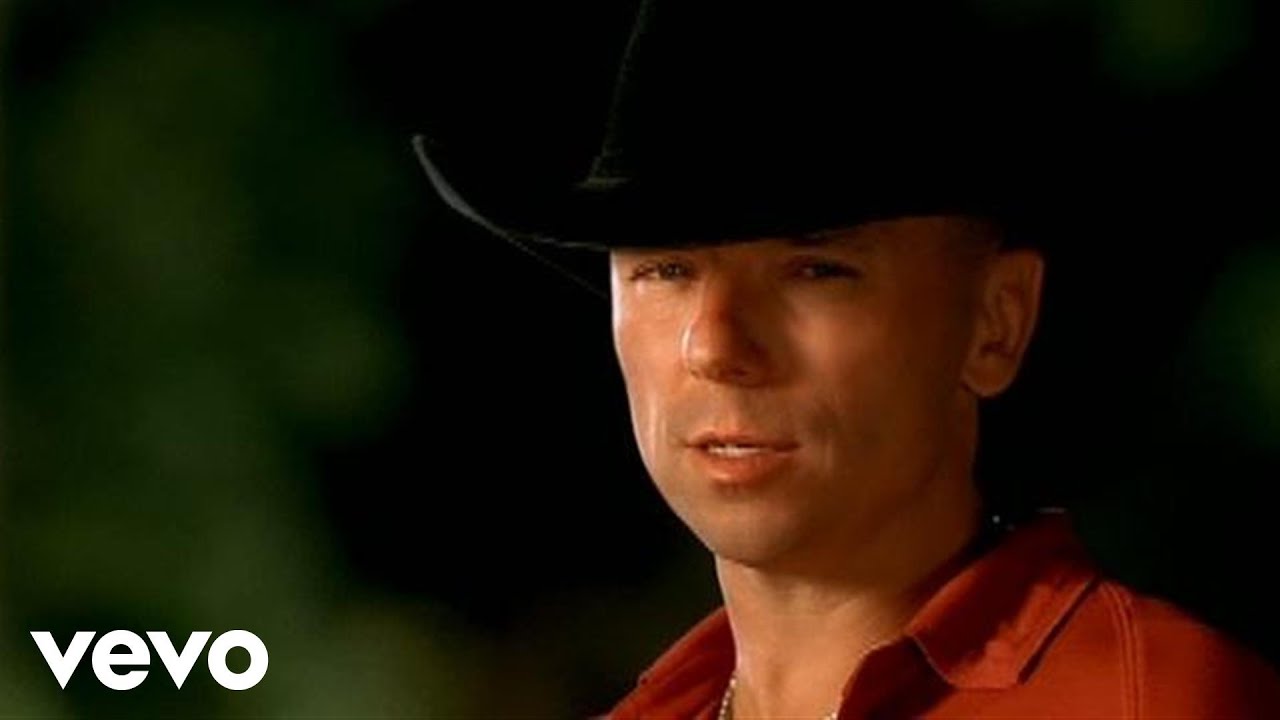


→ More from the 2020s File
View all 2020s hits →



Keep digging