The 2020s File Feature
I Want It
I Want It — Juice WRLD (2020) "I Want It" is a posthumous track from Juice WRLD, the Chicago-born rapper and singer whose legal name was Jarad Armani Higgins…
01 The Story
I Want It — Juice WRLD (2020)
"I Want It" is a posthumous track from Juice WRLD, the Chicago-born rapper and singer whose legal name was Jarad Armani Higgins. The song was released as part of the posthumous album Legends Never Die, which arrived on July 10, 2020, through Grade A Productions and Interscope Records, approximately seven months after Juice WRLD's death on December 8, 2019, at the age of 21. The album debuted at number one on the Billboard 200 with 497,000 album-equivalent units in its first week, the largest debut for any posthumous album in history at the time of its release, underscoring the scale of Juice WRLD's fanbase and the depth of grief that had followed his passing.
Juice WRLD had accumulated an enormous catalog of recorded material during his brief career. He was famously prolific, capable of freestyling fully formed songs on the spot and recording dozens of tracks in single studio sessions. The vault of unreleased material he left behind was substantial, and Legends Never Die was curated from that archive by his label and management team in collaboration with his family. "I Want It" represented one of the tracks selected from this vault, processed and completed for commercial release in the months following his death.
The production on "I Want It" reflected the melodic emo-rap aesthetic that Juice WRLD had helped popularize through his commercial peak between 2018 and 2019. His debut single "Lucid Dreams," which peaked at number two on the Billboard Hot 100 and was certified diamond by the RIAA, had established the template: lush melodic production derived partly from rock instrumentation, emotionally raw lyrics about romantic pain and psychological distress, delivered in a vocal style that blended singing and rapping without respecting the conventional division between the two modes. "I Want It" followed that template.
The Legends Never Die album included guest appearances from multiple major artists who recorded new contributions to complement Juice WRLD's archived vocals, including Marshmello, Trippie Redd, Polo G, The Kid LAROI, and others. "I Want It" was positioned among the album tracks that showcased Juice WRLD's melodic range and the emotional directness that had made him one of the most streamed artists of his generation. The album generated over one billion streams across platforms within its first month of release.
The posthumous release of material from deceased artists raises complex ethical and commercial questions that have become increasingly prominent as streaming economics have made vault material more commercially viable than at any previous point in the industry's history. In the case of Legends Never Die, Juice WRLD's estate and label worked with Grade A's Lil Bibby to determine which material was sufficiently complete and representative to release under the artist's name. "I Want It" was determined to meet that threshold.
On the Billboard Hot 100, multiple tracks from Legends Never Die charted simultaneously in the weeks following the album's release, reflecting the same pattern of album-driven multi-track chart penetration that had characterized Juice WRLD's commercial approach during his lifetime. His 2019 album Death Race for Love had debuted at number one with 165,000 album-equivalent units, establishing the precedent for the scale of audience engagement that the posthumous album would eventually surpass.
Critical reception for Legends Never Die was mixed, with some reviewers expressing reservations about the ethics of posthumous releases while acknowledging the quality of the archived material. "I Want It" was generally received as a strong individual track within the collection, consistent with the melodic and emotional qualities that had made Juice WRLD a defining voice in late-2010s hip-hop. The song demonstrated the depth and consistency of the catalog he left behind, confirming the assessment of those who had worked closely with Juice WRLD during his lifetime that the volume of unreleased material he had recorded was not merely large but genuinely good. His productivity in the studio, documented by collaborators who described sessions in which he would record complete songs spontaneously and without apparent effort, meant that the archive from which "I Want It" was drawn represented a meaningful cross-section of his creative output rather than B-tier material that had been passed over for a reason.
02 Song Meaning
The Meaning of "I Want It" by Juice WRLD
"I Want It" belongs to the emotional territory that Juice WRLD claimed as his defining creative space: the intersection of romantic desire, emotional pain, and the kind of wanting that exceeds its object and becomes something more like an existential condition. The song's narrator expresses longing in terms that are simultaneously specific and overwhelming, grounded in the details of a particular relationship while gesturing toward something larger about the nature of desire itself.
Juice WRLD's approach to lyrical content was characterized by a rawness that critics and fans consistently identified as his most distinctive quality. He did not process emotional experience through ironic distance or narrative abstraction; he presented it in something close to real time, as though the recording was happening at the moment of feeling rather than in retrospect. "I Want It" participates in this mode, delivering its emotional content with the urgency of someone who has not yet found a way to manage or contain what they are feeling.
The thematic content of "I Want It" centers on desire as both pleasure and torment. The wanting of the title is not portrayed as a comfortable state; it is destabilizing, consuming, and tinged with the awareness that what is wanted may not be fully attainable or fully healthy to pursue. This ambivalence in the face of desire was central to the emo-rap sensibility that Juice WRLD helped develop and popularize, which distinguished itself from earlier hip-hop approaches to romantic content by making the speaker's emotional vulnerability and dysfunction as prominent as the desire itself.
The song also participates in the broader thematic concerns that ran through Juice WRLD's catalog: the relationship between love, pain, and various forms of self-medication or escapism. His lyrics frequently depicted emotional pain as something that demanded management through substances, behaviors, or relationships that were themselves sources of additional pain. The cycle of desire and damage, wanting something that harms and being unable to stop wanting it, is one of his central subjects, and "I Want It" engages with that cycle.
Within the context of the posthumous album Legends Never Die, "I Want It" carries additional weight because the listener cannot separate the emotional content from the biographical reality of the artist's death. Juice WRLD died at twenty-one from a drug overdose at Chicago's Midway Airport. The songs he left behind, including this one, are documents of an inner life that was clearly troubled and that never had the opportunity to find resolution or peace. Listening to "I Want It" after his death is necessarily a different experience than it would have been during his lifetime.
The cultural significance of "I Want It" extends beyond its individual lyrical content to what it represents as a piece of vault material released under complex posthumous conditions. The decision to release it reflects a judgment by the people managing Juice WRLD's estate that the track represented his artistic vision authentically and that its release would honor rather than exploit his legacy. Listeners navigating that question individually brought their own ethical frameworks to the experience of the song, which added a layer of complexity to its reception that purely commercial contemporary releases do not typically carry.
For understanding Juice WRLD's artistic identity, "I Want It" is a useful document of the emotional register he occupied most naturally and most productively. He was an artist whose power came from vulnerability expressed without defensive distance, and the track demonstrates why that approach connected so powerfully with a generation of listeners who found in his work a language for experiences they had not previously seen reflected in mainstream music. The song is simultaneously personal testimony and cultural artifact, and both dimensions continue to resonate beyond the circumstances of its creation.
→ More from Juice WRLD
View all Juice WRLD hits →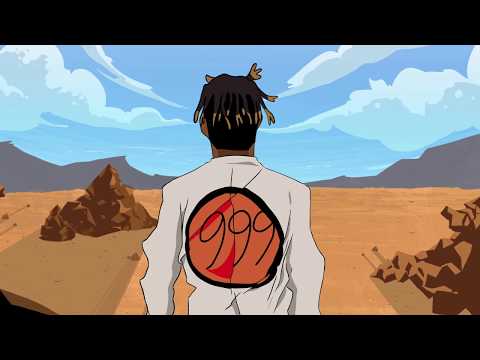


→ More from the 2020s File
View all 2020s hits →


Keep digging