The 2020s File Feature
Make Me Want To
Make Me Want To — Jimmie Allen: History "Make Me Want To" is a single by country artist Jimmie Allen , released in 2019 and achieving its peak chart performa…
01 The Story
Make Me Want To — Jimmie Allen: History
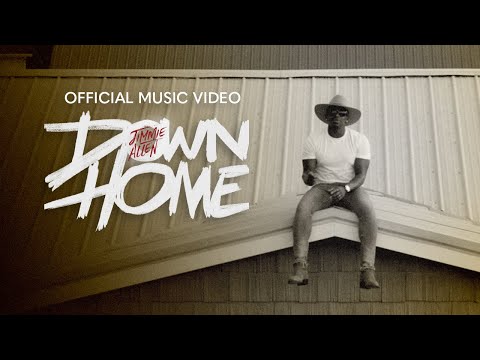
"Make Me Want To" is a single by country artist Jimmie Allen, released in 2019 and achieving its peak chart performance in 2020. The song became Allen's second consecutive number-one single on the Billboard Country Airplay chart, following the historic success of his debut single "Best Shot," which had made him the first Black artist to debut at number one on that chart. "Make Me Want To" built on that breakthrough and cemented his position as one of the most commercially significant new voices in country music.
Jimmie Allen hails from Milton, Delaware, and his path to country music stardom involved years of struggle and persistence in Nashville before his breakthrough. He signed with Broken Bow Records and released "Best Shot" in 2018, which drew considerable attention both for its commercial performance and for its significance in a genre that has historically had very few Black artists in prominent positions. When "Make Me Want To" followed and also reached number one, it confirmed that his chart success was not a fluke and that his appeal among country radio audiences was genuine and durable.
The production of "Make Me Want To" sits within the polished, melodically driven mainstream country pop sound that dominated country radio in the late 2010s and early 2020s. Guitars, programmed and live percussion, and Allen's warm, expressive vocal delivery come together in a production that prioritizes emotional accessibility and radio-friendly hooks. The song was produced by top Nashville producers working within the commercial country framework, and its construction reflects the careful attention to format that is required to navigate country radio successfully.
"Make Me Want To" reached number one on the Billboard Country Airplay chart in 2020, completing Allen's back-to-back number-one achievement. This accomplishment was celebrated in the country music press as an important milestone given Allen's race and the historical underrepresentation of Black artists in mainstream country. His success contributed to a broader conversation in the genre about diversity and inclusion that became particularly prominent in 2020 in the context of the national reckoning with racial equity.
Allen performed the song extensively on the country touring circuit and on television programs catering to the country audience, including appearances on various syndicated country radio events and award show contexts. His live performances were well-received, demonstrating a stage presence and vocal capability that translated the song's recorded appeal into compelling live execution. The touring infrastructure of Nashville country, with its network of radio station-sponsored events and county fairs, was instrumental in building Allen's audience beyond the streaming platforms where he also performed well.
The song appeared on Allen's debut studio album Mercury Lane, released in October 2018 on Broken Bow Records, a project that introduced his full artistic vision to country audiences. The album title references a street in his hometown in Delaware, grounding his commercial country music in a specific geographic and personal origin. The album received positive reviews from country music publications and established Allen as an artist with depth beyond his chart singles.
The commercial success of "Make Me Want To" arrived at a moment when country music was actively debating its own identity and inclusivity. Allen's presence at the top of the Country Airplay chart served as a practical argument that country audiences were receptive to Black artists when given meaningful exposure, which had historically been limited by radio gatekeeping and industry structures that tended to favor a narrow demographic profile among its featured artists. His back-to-back number ones became reference points in these broader industry discussions throughout 2020 and beyond.
In subsequent years, Allen continued to release music and tour successfully, building a catalog that demonstrated consistent songwriting quality and commercial appeal. "Make Me Want To" remains among his signature tracks and a song that represents a genuinely significant moment in the history of mainstream country music's engagement with racial diversity at the highest level of chart performance.
02 Song Meaning
Make Me Want To — Jimmie Allen: Meaning
"Make Me Want To" is a romantic song about the transformative power of attraction, the way a particular person can make the speaker desire things he would not otherwise have thought to pursue. The lyrical premise is that the object of the singer's affection inspires not just desire but aspiration, making him want to become a better version of himself in order to be worthy of her. This theme of love as personal elevation has deep roots in country music and in popular song more broadly, tapping into an emotional archetype that resonates across wide demographic ranges.
The song's emotional register is warm and earnest. Allen performs the material without irony or qualification, delivering the sentiment with the straightforward sincerity that has characterized his vocal approach across his catalog. Country music audiences, particularly those who respond to the mainstream radio format that Allen works within, tend to reward this kind of unguarded emotional directness, and "Make Me Want To" is constructed to maximize that reward by delivering its central emotion clearly and repeatedly across the song's structure.
The romantic themes in the song fit squarely within a tradition of country love songs that present relationships in terms of wholesome aspiration and genuine emotional need. The speaker is not describing lust or possession; he is describing admiration and the desire to rise to the occasion of being loved by someone he regards as exceptional. This framing positions the song as broadly family-friendly and appropriate for the range of country radio contexts in which it would be heard, from morning drive airplay to concert performances at festivals attended by multigenerational audiences.
Within Jimmie Allen's catalog, "Make Me Want To" functions as a confirmation of the artistic identity established by "Best Shot." Both songs deal with romantic aspiration, the desire to do right by a partner and to live up to the love being offered. This thematic consistency suggests a deliberate artistic vision rather than random commercial calculations, presenting Allen as an artist whose work returns to the question of how love demands and inspires the best version of the self.
The song's cultural significance extends beyond its lyrical content into the context of who is performing it and where. Jimmie Allen's presence at the top of country radio charts as a Black artist carries a meaning that the song itself does not explicitly address but that surrounded its reception. His success helped demonstrate that country audiences could embrace a Black artist delivering mainstream country content, which was both a commercial fact and a cultural statement at a moment when the country music industry was being asked hard questions about representation and access.
For listeners who came to Allen through "Make Me Want To," the song served as an introduction to an artist whose personal story, his journey from a small town in Delaware through years of Nashville struggle to national chart success, added depth to the romantic sincerity he brings to the material. Knowing that sincerity is not merely performed but rooted in a genuine personality that persisted through significant adversity makes the song's warmth feel earned rather than manufactured.
The song ultimately means what it says: that love has the power to transform aspiration, to make someone reach for a better version of themselves. That it says this clearly, warmly, and without complication is both its limitation for listeners who want complexity and its gift for those who want a country song that delivers uncomplicated emotional truth with craft and conviction.
→ More from Jimmie Allen
View all Jimmie Allen hits →
→ More from the 2020s File
View all 2020s hits →


Keep digging