The 2020s File Feature
Met Gala
Met Gala — Gunna (2020) Gunna, born Sergio Giavanni Kitchens in College Park, Georgia, had been building toward a commercial breakthrough for several years b…
01 The Story
Met Gala — Gunna (2020)
Gunna, born Sergio Giavanni Kitchens in College Park, Georgia, had been building toward a commercial breakthrough for several years before "Met Gala" arrived in the summer of 2020. His collaborative work with Lil Baby and Young Thug had established him as a significant presence within the Young Stoner Life (YSL) Records ecosystem, and his studio albums Drip or Drown and its sequel had confirmed that he could sustain solo commercial momentum alongside his collaborative work. By the time "Met Gala" was released, Gunna occupied a position in Atlanta rap that was commercially significant but not yet at the absolute peak of his market visibility, which would arrive with his later work.
"Met Gala" was released on June 12, 2020, as part of Gunna's project WUNNA, his second studio album, which had been released in May 2020 through YSL Records and 300 Entertainment. WUNNA debuted at number one on the Billboard 200, marking a significant commercial milestone for Gunna and demonstrating that his streaming numbers had reached a level capable of generating chart-topping first-week performance. The album's success positioned "Met Gala" as a track on a number-one record rather than a standalone single, giving it the commercial context of a flagship project's constituent part.
The production on "Met Gala" was handled by Wheezy, one of the most prominent producers in the Atlanta trap ecosystem whose credits include extensive work with Gunna, Young Thug, and other YSL-adjacent artists. Wheezy's production style on "Met Gala" employs the melodic, layered trap aesthetic that had become characteristic of the sound associated with Young Thug's extended creative family, featuring piano-forward melodies, precise hi-hat patterns, and a sonic architecture that creates space for Gunna's signature melodic rap delivery rather than competing with it.
The song's title references the Metropolitan Museum of Art's Costume Institute Gala in New York, one of the most prominent events in the intersection of fashion, celebrity, and cultural capital. The Met Gala's annual occurrence generates enormous media coverage and has become a shorthand for a specific kind of aspirational luxury aesthetic that Gunna had been articulating throughout his catalogue. The reference was not coincidental: fashion and luxury iconography had been central to Gunna's artistic identity from early in his career, and "Met Gala" represented an explicit name-checking of one of the culture's most recognisable fashion events.
The track performed well on the Billboard Hot 100, generating streaming activity that reflected WUNNA's broader commercial success. In the context of an album that had reached the top of the Billboard 200, individual tracks like "Met Gala" accumulated streaming numbers driven by album listening behaviour on platforms like Spotify and Apple Music, where listeners were encountering the song as part of a cohesive project rather than as a standalone single.
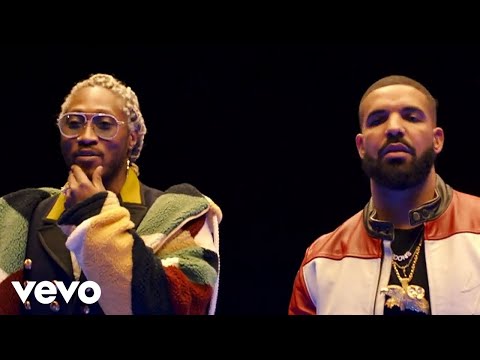
The music video for "Met Gala" leaned heavily into the fashion and luxury imagery suggested by the title, presenting Gunna in high-fashion styling and settings consistent with the aspirational aesthetic he had been cultivating. The visual was directed with the kind of high production value that had become standard for major Atlanta rap releases and attracted significant YouTube views, contributing to the song's overall streaming profile.
Critical reception for WUNNA and its constituent tracks including "Met Gala" was largely positive within hip-hop media, with reviewers acknowledging the consistency of Gunna's melodic rap approach and the quality of the production provided by Wheezy and other collaborators. The album was discussed as evidence of Gunna's ability to sustain commercial momentum as a solo artist beyond the collaborative halo that his association with Lil Baby and Young Thug had initially provided.
Gunna's streaming numbers on Spotify during the WUNNA campaign placed him among the most-streamed artists in hip-hop, and "Met Gala" contributed to those totals as one of the project's more discussed individual tracks. The song has since been remembered as part of the period in which Gunna was establishing his commercial identity at the highest level of mainstream rap, before his subsequent projects would further consolidate that position.
02 Song Meaning
Fashion, Status, and Aspirational Identity in "Met Gala"
"Met Gala" positions fashion as one of the primary languages through which contemporary status is communicated, negotiated, and performed. Gunna had been developing this thematic territory throughout his catalogue, building an artistic identity in which designer labels, luxury goods, and high-fashion event culture function not merely as material signifiers but as a coherent aesthetic philosophy about how success should be presented to the world. The Met Gala of the title is not simply a name drop but a precise cultural reference that situates the narrator at the intersection of hip-hop commercial success and high fashion's most visible annual event.
The Met Gala itself occupies a unique position in American cultural life, sitting at the point where fashion, celebrity, philanthropy, and media attention converge in an annual spectacle that has become as much a cultural event as a fundraiser. For a rapper from College Park, Georgia, to reference the Met Gala not with aspiration but with the casual ownership of someone who belongs in that world is itself a meaningful statement. Gunna's lyrical approach throughout the song treats this level of cultural access as achieved rather than desired, which is consistent with the emotional posture of confidence and established success that defines his artistic persona.
The melodic rap delivery Gunna employs throughout "Met Gala" is integral to its meaning. The melodic approach softens what might otherwise be straightforwardly aggressive status assertion, giving the luxury imagery a dreamy, immersive quality rather than a confrontational one. This is a defining characteristic of the Young Thug-influenced Atlanta aesthetic that Gunna absorbed and made his own: status can be communicated with ease rather than force, floating rather than insisting. Wheezy's production reinforces this tonal choice, creating a melodic environment in which luxury and comfort are presented as synonymous states of being.
The intersection of hip-hop and high fashion that the song celebrates had been developing as a cultural relationship for decades by 2020, but had accelerated considerably in the years immediately before the song's release. Figures like Kanye West and Pharrell Williams had built careers at this intersection, and the influence of streetwear culture on luxury fashion houses had created a moment in which the aspirational vocabulary of Atlanta trap and the luxury fashion world were genuinely speaking to each other. Gunna's appropriation of the Met Gala as an artistic reference was part of this broader cultural conversation rather than an isolated gesture.
The song also communicates something about geographic and cultural mobility, about the movement from Atlanta's College Park to the corridors of New York luxury culture, without making that journey the explicit subject of the lyric. This implicit narrative of arrival is embedded in the confidence of the reference itself: one does not casually name-check the Met Gala unless the cultural distance between oneself and that world has been substantially reduced. For listeners from similar backgrounds, this casual ownership of aspirational references is itself a form of representation, evidence that the cultural territory under discussion is not permanently off-limits.
Within Gunna's broader catalogue, "Met Gala" represents a crystallisation of the aesthetic values he had been developing since his earliest mixtape work. The emphasis on fashion, on the visual and material presentation of success, on luxury as a primary medium of self-expression, was already present in his earlier work but found in this song a particularly concentrated form. The track functions as a kind of artistic manifesto about what kind of rapper Gunna intended to be: one for whom fashion is as important a medium of expression as music, and for whom the boundary between the two is deliberately blurred.
The song's enduring appeal in streaming playlists organised around luxury aesthetics and aspirational lifestyle content demonstrates that its meaning has successfully translated across the specific cultural moment of its creation, speaking to listeners who encounter it years later through the same aspirational emotional logic that animated its production in 2020.
→ More from the 2020s File
View all 2020s hits →


Keep digging