The 2020s File Feature
Real Baby Pluto
Real Baby Pluto: Future and Lil Uzi Vert's Collaborative Album Track "Real Baby Pluto" appeared on the joint collaborative album Pluto x Baby Pluto , release…
01 The Story
Real Baby Pluto: Future and Lil Uzi Vert's Collaborative Album Track
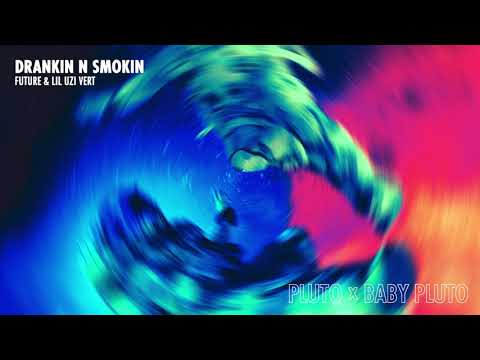
"Real Baby Pluto" appeared on the joint collaborative album Pluto x Baby Pluto, released on October 9, 2020, by Future and Lil Uzi Vert through Epic Records and Atlantic Records. The project was the first official collaborative album between two of hip-hop's most commercially successful streaming-era artists, a pairing that had been anticipated for years given the overlapping fan bases and complementary artistic identities of both performers. The album arrived as a deluxe edition was issued a month later on November 13, 2020, extending its commercial presence and adding additional tracks.
Pluto x Baby Pluto debuted at number two on the Billboard 200 with approximately 100,000 album-equivalent units in its first week, demonstrating the combined commercial pull of two artists who were individually among the most streamed performers in American hip-hop. Future's streaming dominance had been established through a series of influential projects beginning with DS2 in 2015 and extending through numerous subsequent releases that consistently reached the top of streaming charts. Lil Uzi Vert's fanbase, built through the success of Luv Is Rage and its sequels and his multiple Hot 100 entries, complemented Future's audience in ways that made the collaboration commercially logical as well as artistically interesting.
"Real Baby Pluto" takes its title from the album's naming conceit, which combined Future's longtime alter ego "Pluto" with Lil Uzi Vert's self-designation as "Baby Pluto," a nickname he had been using publicly for several years. The song functions as a statement of collaborative identity, asserting the two artists as a unit rather than simply a temporary commercial pairing. The production is consistent with the atmospheric, melodic trap aesthetic that characterized both artists' solo work, creating a sonic environment that felt like a natural meeting point rather than a forced stylistic compromise.
The production credits on Pluto x Baby Pluto included contributions from a range of producers who had worked with both artists individually, including Southside, Wheezy, and Pi'erre Bourne among others. This collective production approach gave the album a varied sonic palette while maintaining coherence through the consistent presence of the two primary artists. "Real Baby Pluto" specifically benefits from production that allows both voices ample space to operate in their characteristic modes without either overshadowing the other.
Future, born Nayvadius DeMun Wilburn in Atlanta in 1983, had spent the preceding decade establishing himself as one of the most influential figures in trap music's evolution from regional genre to global commercial force. His use of Auto-Tune as an expressive rather than merely corrective tool had been enormously influential on a generation of artists who came after him, and Lil Uzi Vert was among those who had absorbed and extended that influence into their own musical identities. The collaboration thus had a quasi-genealogical quality, connecting an originator of melodic trap with one of its most successful subsequent practitioners.
The commercial landscape of October 2020 was defined by the ongoing pandemic context, with streaming numbers running at elevated levels as audiences remained predominantly home-based. This benefited the album's opening week performance and its sustained chart presence across individual tracks. "Real Baby Pluto" and other tracks from the album appeared on the Hot 100 as part of the broader streaming activity the album generated, reflecting the way collaborative projects between high-profile artists could flood charts when both artists' fan bases converged on a new release simultaneously.
Critical reception for the album was generally positive within the context of assessing collaborative trap projects. Reviewers noted the natural chemistry between Future and Lil Uzi Vert, observing that their vocal styles complemented each other without either artist needing to substantially adjust their approach. The album was not positioned as a major artistic statement but rather as an enjoyable and commercially effective meeting of two compatible creative sensibilities, and it delivered on that more modest but genuine promise.
The album's release during a period of extraordinary productivity in Future's career demonstrated the prolific output rate that had become a defining feature of his artistic identity. Future had released multiple projects through the streaming era at a pace that consistently maintained his profile and chart presence, and Pluto x Baby Pluto fit within that pattern of regular, high-quality release activity. For Lil Uzi Vert, the collaboration offered a slightly different creative environment from his solo work, one in which a collaborative spirit rather than singular vision drove the material.
02 Song Meaning
The Meaning of "Real Baby Pluto": Identity, Mythology, and the Trap Cosmos
"Real Baby Pluto" operates within the extended personal mythology that both Future and Lil Uzi Vert had constructed around their artistic identities over the preceding decade. The song's title references the planetary imagery that each artist had incorporated into their respective brands, Future through his "Pluto" alter ego and Lil Uzi Vert through the "Baby Pluto" designation he had embraced as a marker of his extraterrestrial, outside-of-normal-existence persona. The collision of these two cosmic identities is the song's central conceptual conceit, establishing the collaboration as the meeting of two self-constructed mythologies.
The planetary imagery in both artists' work carries specific thematic weight. Pluto's status as a body at the edge of the solar system, distant from conventional structures and existing in a different relational context than the inner planets, serves as a metaphor for operating outside of mainstream norms, conventional expectations, and ordinary social frameworks. Both artists had built careers on the premise of inhabiting a different kind of existence from the average, and the Pluto imagery crystallized that premise into a compact, memorable symbol. "Real Baby Pluto" asserts that this otherness is genuine rather than performed, the "real" of the title functioning as a truth claim against the possibility of inauthenticity.
Future's thematic concerns across his catalog have consistently revolved around the intersection of success, excess, and emotional numbness, a condition he has described in various ways as the cost of achieving the kind of material abundance that his background in Atlanta's Zone 6 made seem both aspirational and unattainable in equal measure. "Real Baby Pluto" participates in this thematic universe while inflecting it through the collaborative dynamic, finding in the pairing with Lil Uzi Vert a version of the same story told from a slightly different generational perspective.
Lil Uzi Vert's contribution to the song extends its emotional range by adding a quality of genuine enthusiasm and even joy to the proceedings. Where Future's emotional register has often been described as melancholic or emotionally flat, Lil Uzi Vert brings a more openly exuberant energy even when addressing themes of isolation or difference. This contrast between the two performers' emotional modes is one of the collaboration's most interesting qualities, creating a dialogue between adjacent but distinct emotional sensibilities rather than simply doubling the same energy.
The trap aesthetic within which the song operates carries its own set of meanings that function independently of specific lyrical content. The production style, with its particular combination of melodic elements, rhythmic patterns, and sonic textures, communicates a specific relationship to contemporary urban experience that audiences familiar with the genre read fluently. "Real Baby Pluto" participates in this larger communicative system, its meaning partially determined by its formal properties as a piece of music rather than solely by its verbal content.
The concept of realness in hip-hop has a long and complicated history as both an aesthetic criterion and an ethical claim. Asserting that something is "real" in this context means claiming that it is authenticated by lived experience and genuine identity rather than constructed for commercial or social effect. "Real Baby Pluto" deploys this assertion within the collaborative context, positioning the two artists' shared cosmic mythology as a genuine expression of who they are rather than a marketing strategy. Whether that claim is straightforwardly biographical or more complex is less important than the function it serves in establishing the terms on which the collaboration wants to be understood.
For both artists' catalogs, "Real Baby Pluto" marks a moment of collaborative codification, a song that exists partly to declare the fact of the collaboration itself as a meaningful artistic event. The Epic Records and Atlantic Records infrastructure behind the album gave this declaration a commercial scale that matched its artistic ambition. The song is as much about the meeting of Future and Lil Uzi Vert as it is about any specific experience or emotion, and that self-referential quality places it within a tradition of collaborative tracks that celebrate the fact of a pairing as inherently significant within the culture they represent.
→ More from Future & Lil Uzi Vert
View all Future & Lil Uzi Vert hits →



→ More from the 2020s File
View all 2020s hits →


Keep digging