The 2020s File Feature
Harley Quinn
Two Worlds Collide: Harley Quinn by Fuerza Regida Marshmello Picture the fall of 2023, when the borders between regional Mexican music and mainstream EDM wer…
01 The Story
Two Worlds Collide: "Harley Quinn" by Fuerza Regida & Marshmello
Picture the fall of 2023, when the borders between regional Mexican music and mainstream EDM were dissolving faster than anyone had predicted. Streaming had already upended the radio gatekeepers, and the Billboard Hot 100 was reflecting something genuinely new: corridos tumbados rubbing shoulders with pop anthems, sierreño bass tones bouncing off festival bass rigs. Into that charged moment came "Harley Quinn," a collaboration between Sinaloa-rooted group Fuerza Regida and masked electronic producer Marshmello, a pairing that, on paper, looked like a publicity stunt and, on record, sounded like a genuine cultural handshake.
The Collision of Two Sounds
Fuerza Regida had spent years building their following through raw, direct storytelling rooted in the norteño tradition, their sound sharpened with trap rhythms and an unapologetic street edge that connected hard with young Mexican-American listeners. By 2023 they were among the most-streamed regional Mexican acts on Spotify, operating well outside the polished corridors of mainstream pop radio. Marshmello, meanwhile, had built a global brand through high-energy festival sets and crossover collaborations that ranged from country to hip-hop. The marriage of those two orbits was the pitch; the song had to make it feel natural.
On record, the track layers the accordion-laced melodic structure of corridos tumbados over Marshmello's signature synth-driven production, with the group's lead vocals carrying the narrative. The title references the iconic DC Comics villain, wielding her name as shorthand for a charismatic, unpredictable romantic foil, a figure simultaneously dangerous and irresistible. That kind of pop-culture borrowing had become a calling card for the new wave of corridos artists, who were just as likely to sample a Marvel reference as a ranchera melody.
Entering the Hot 100
The song debuted on the Billboard Hot 100 the week of November 18, 2023, entering at number 44. Just one week later it climbed to number 40, its peak position, an arrival that represented the full force of Fuerza Regida's streaming muscle combined with whatever additional reach Marshmello brought from the electronic and pop world. The song spent 20 weeks total on the chart, a residence that speaks to the deep loyalty of the regional Mexican fanbase, which tends to stream in sustained waves rather than in sharp, radio-driven spikes.
Reaching the top 40 of the Hot 100 was still genuinely significant territory for a corridos tumbados act at that point in the genre's American crossover story. The chart run coincided with a broader moment when labels and programmers were scrambling to understand just how big the genre had become.
The Streaming Era's New Gatekeepers
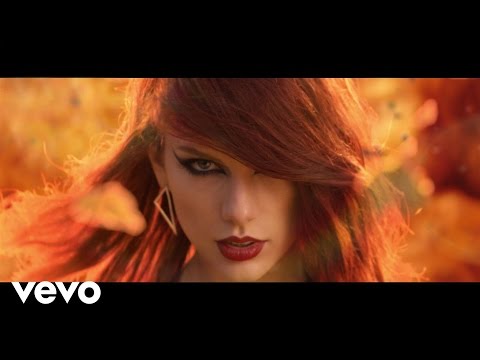
Songs like "Harley Quinn" did not need a major pop radio push to survive on the Hot 100. The Billboard methodology, which weights streams heavily, meant that a devoted and active fanbase streaming a track daily could sustain a position that purely passive radio listeners never would have driven. Fuerza Regida's audience had demonstrated precisely that behavior across multiple releases, and this collaboration extended it into new territory by pulling in Marshmello's audience across platforms. The 70 million YouTube views the video accumulated underline just how visually driven that fanbase was, choosing the platform as a primary listening environment rather than a secondary one.
Where It Sits in Both Careers
For Marshmello, the collaboration was another entry in a long catalog of genre-hopping pairings; it sits alongside work with Kane Brown, Halsey, and Bastille as evidence of a producer genuinely comfortable crossing stylistic lines. For Fuerza Regida, it was a milestone: evidence that corridos tumbados had enough commercial gravity to pull an internationally recognized producer into its orbit, rather than the other way around. The collaboration ran on roughly equal creative footing, which is the thing that made it resonate.
If you have any curiosity about where the borders of regional Mexican music currently sit, or about how EDM absorbs and reflects other genres, press play. The answer arrives in the opening eight bars.
“Harley Quinn” — Fuerza Regida & Marshmello's singular moment on the 2020s charts.
02 Song Meaning
Danger, Devotion, and a Borrowed Name: The Meaning of "Harley Quinn"
When Fuerza Regida borrowed Harley Quinn's name for their 2023 Marshmello collaboration, they were not reaching for a cheap pop-culture hook. The character carries very specific cultural weight: she is loyal to the point of self-destruction, dangerous in proportion to how deeply she loves, and impossible to categorize cleanly as victim or aggressor. Dropping that name into a corridos tumbados context gave the track a resonance that went well beyond novelty.
The Romantic Archetype at the Center
The lyrics position the subject as a woman with that Harley Quinn energy: unpredictable, captivating, capable of flipping the dynamic in any relationship. The narrator is not simply admiring her from a distance; he is fully aware of the risk and choosing her anyway. That willingness to embrace danger as part of attraction is a thread running through the corridos tumbados tradition, where romantic complexity and street-level realism tend to coexist rather than cancel each other out. The character reference makes the abstract concrete, lending the emotional stakes a recognizable visual shorthand.
The Genre's Language of Desire
Corridos as a form have always been narrative; they tell stories of real people and real situations with the directness of oral history. The tumbados variant grafted onto that tradition a melodic looseness and a trap-influenced rhythm that allowed for more emotional vulnerability alongside the bravado. In "Harley Quinn," that combination produces a portrait of obsessive attraction that feels genuinely conflicted rather than simply boastful. The narrator wants the chaos she brings. That's the admission the song is built around.
Marshmello's Emotional Architecture
The production choice matters for meaning as much as the lyrics do. Marshmello's contributions wrap the narrative in a sound that is expansive and almost euphoric, the kind of sonics designed for open-air festival stages and late-night drive playlists alike. Set against that scale, the lyrical content about obsessive romantic attachment takes on something close to grandeur. The love described feels as large as the production surrounding it, which is either romantic or alarming depending on how closely you read the words. That productive ambiguity is part of what kept the track circulating for 20 weeks on the Hot 100.
Cultural Resonance Across Audiences
The song connected across at least two distinct audiences: listeners steeped in regional Mexican music, who recognized the storytelling conventions and the sincerity underneath the bravado; and listeners arriving via Marshmello, who encountered the corridos tumbados aesthetic perhaps for the first time. For the latter group, the Harley Quinn reference served as a cultural bridge, familiar enough to lower the barrier while the music itself did the work of introducing something genuinely new. Pop-culture references in corridos have that dual function: they signal openness to outside influences while keeping the emotional core firmly rooted in the genre's own values.
What the Song Says About Modern Romance
Underneath the supervillain imagery and the festival-ready production, "Harley Quinn" is articulating something fairly timeless: the experience of being drawn to someone whose energy is destabilizing, and choosing to stay anyway. That dynamic has fueled romantic narratives across every genre and era. What the song adds is a 2023 specificity: the cultural references, the sonic hybridity, the streaming-native way it travels across communities. It is a love song dressed in the visual language of comic books and produced for a moment when music no longer recognizes clean geographic or genre borders.
→ More from the 2020s File
View all 2020s hits →



Keep digging