The 2020s File Feature
Killer
Killer by Eminem Featuring Jack Harlow and Cordae: Chart History and Reception "Killer" is a track by Eminem from his twelfth studio album Music to Be Murder…
01 The Story
Killer by Eminem Featuring Jack Harlow and Cordae: Chart History and Reception
"Killer" is a track by Eminem from his twelfth studio album Music to Be Murdered By — Side B, released on December 18, 2020, through Shady Records, Aftermath Entertainment, and Interscope Records. The album arrived as a surprise release, following the same format as the original Music to Be Murdered By earlier that year, and the expanded edition included collaborations with a range of artists representing different generations of rap. The remix of "Killer" featuring Jack Harlow and Cordae was released in 2021 and became the more widely circulated and charting version of the song.
The remix entered the Billboard Hot 100 and garnered significant attention both for Eminem's continued presence as a commercial force and for the selection of Jack Harlow and Cordae as collaborators, two younger artists who represented the most critically and commercially respected voices of their generation in rap. The pairing of these artists with Eminem was interpreted as a generational handoff of sorts, with the veteran rapper explicitly acknowledging and elevating two peers from a younger cohort.
Jack Harlow had experienced a breakthrough year in 2020 with his hit "WHATS POPPIN," which reached the top five of the Hot 100 and established him as one of the most commercially viable new voices in mainstream rap. His appearance on "Killer" came at the height of his initial wave of mainstream visibility and contributed to the remix's commercial reach by bringing his fanbase to the track. Cordae, meanwhile, had been recognized as one of the more lyrically ambitious young rappers following his debut album The Lost Boy in 2019, and his reputation for technical skill made him a natural fit for a remix of a track defined by Eminem's own technical virtuosity.
The original "Killer" demonstrated Eminem operating in the dense, internally rhymed, rapid-fire delivery mode that had defined his career since the late 1990s. The track functions as a lyrical showcase, with verses structured to demonstrate technical proficiency through complex rhyme schemes, multisyllabic patterns, and rapid rhythmic switching. This approach is consistent with Eminem's body of work but was particularly pronounced on the Music to Be Murdered By projects, which seemed designed in part to reassert his credentials as a technical rapper.
Eminem's commercial standing at the time of the release remained considerable. The original Music to Be Murdered By had debuted at number one on the Billboard 200 in January 2020, demonstrating that his audience remained large and engaged. The Side B release sustained that engagement by delivering additional material within the same year, an unusual and ambitious move for a major artist.
Critical reception to the "Killer" remix was mixed in the way that much of Eminem's post-Recovery work has been received. Admirers of his technical skill praised the density and precision of his verses, while detractors felt that the lyrical content prioritized shock value and technical display over emotional depth. Jack Harlow and Cordae were generally praised for holding their own alongside the Detroit legend, with Cordae in particular receiving strong notices for the quality of his verse.
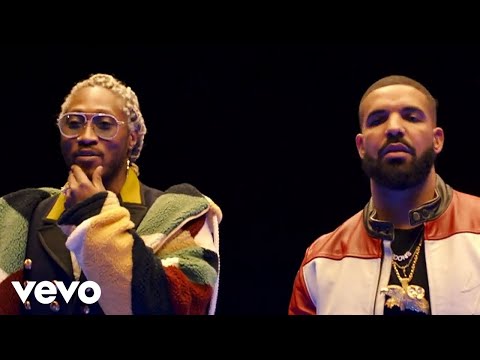
The music video for the remix, which brought all three artists together in a visual presentation that highlighted the generational and stylistic range of the collaboration, received substantial views online and was used extensively in the promotional campaign for the Side B album. Visual content remained an important driver of streaming activity, and the video helped sustain the track's chart performance beyond its initial release week.
The song's cultural significance was amplified by what it represented in terms of rap's generational dynamics. Eminem choosing Harlow and Cordae as his collaborators, rather than more established peers from his own generation, was read as an endorsement of sorts, a signal that the rap elder regarded these two young artists as worthy of the platform. That context gave the remix a narrative weight beyond its commercial performance.
On streaming platforms, the remix accumulated substantial play counts, driven both by Eminem's existing catalog audience and by the combined fanbases of Harlow and Cordae. The track demonstrated that a well-constructed generational collaboration, when executed with genuine care for the musical result, could generate commercial and cultural heat even in a crowded marketplace.
02 Song Meaning
Killer by Eminem Featuring Jack Harlow and Cordae: Meaning and Themes
"Killer" operates primarily as a lyrical demonstration, a track whose thematic content is inseparable from its formal achievement. Eminem has spent much of his career making songs whose meaning lies partly in their construction: the density of the rhyme schemes, the complexity of the multisyllabic patterns, and the speed and precision of the delivery are all themselves arguments about what rap can accomplish technically. "Killer" fits firmly within this tradition, using the language of violent confrontation as a framework for displaying verbal dominance.
The title and the thematic surface content, imagery of destruction and dominance, function in Eminem's catalog as metaphors for lyrical supremacy. When he describes himself as a killer in a rap context, the meaning operates on the level of artistic competition rather than literal violence. This is a rhetorical tradition as old as hip-hop itself, where the ability to "murder" or "destroy" an opponent in verbal battle is the highest form of praise one can achieve. Eminem's entire career has been built on claiming and demonstrating this kind of verbal dominance.
The remix's collaborative dimension adds a new layer of meaning to this thematic framework. By inviting Jack Harlow and Cordae into the song, Eminem implicitly extends the tradition of lyrical excellence to include these younger artists. The track becomes partly about the continuity of craft in rap music, about the transmission of values around technical skill and lyrical ambition from one generation to the next. Both Harlow and Cordae approach their verses with the kind of deliberate technical care that the original song demands, and the result is a document of shared artistic values across generational lines.
Cordae's verse in particular has been praised for bringing genuine lyrical depth to complement the track's technical surface. Cordae has consistently demonstrated a willingness to engage with personal narrative, social commentary, and literary ambition in his work, and his contribution to "Killer" carries traces of these concerns even within a framework that privileges technical display. His verse suggests that technical skill and emotional or intellectual content are not mutually exclusive in rap, a case he has been making throughout his career.
Jack Harlow's contribution reflects a somewhat different sensibility: confident, commercially minded, and built on a charismatic delivery that prioritizes presence over technical density. His approach on "Killer" is well suited to the track's energy and demonstrates his versatility as a performer, but it also illustrates how different performers can bring compatible but distinct qualities to a shared musical context.
Eminem's thematic concerns on "Killer" also include elements of self-defense against critics and doubters, a recurring subject across his catalog. The aggressive posture is partly a response to the ongoing critical debate about his relevance and artistic quality in the post-Relapse phase of his career. This defensive energy, though sometimes criticized as repetitive, gives the song an emotional urgency that purely technical exercises can lack.
The song also engages implicitly with questions about legacy and durability in rap music. By remaining commercially and artistically active into his late forties and continuing to release material that generates chart placements and critical discussion, Eminem's very existence as a performer makes an argument about the possibility of sustained excellence in a genre that often prizes youth. "Killer" is in part a statement about endurance, delivered through the specific vocabulary of rap battle rhetoric.
For listeners, the meaning of "Killer" depends significantly on what they bring to it. Those who value technical rap craft above other qualities will find in the track a dense and rewarding display of verbal skill. Those who look for emotional complexity or narrative development may find the surface content less engaging. But within its own terms, the song is a coherent and effective statement about what rap music can accomplish when practitioners take its formal possibilities seriously.
→ More from the 2020s File
View all 2020s hits →



Keep digging