The 2020s File Feature
Chicago Freestyle
Drake's "Chicago Freestyle" and the Emergence of Giveon "Chicago Freestyle" arrived as part of Drake's sprawling Dark Lane Demo Tapes mixtape, released on Ma…
01 The Story
Drake's "Chicago Freestyle" and the Emergence of Giveon
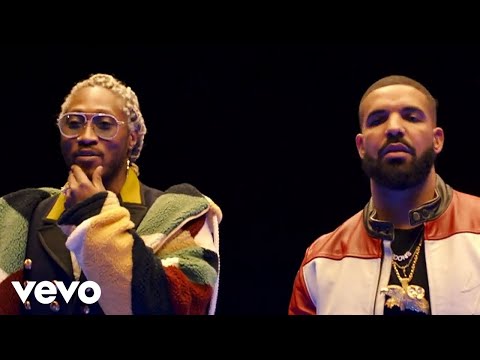
"Chicago Freestyle" arrived as part of Drake's sprawling Dark Lane Demo Tapes mixtape, released on May 1, 2020, a project that assembled loosely held material, SoundCloud leaks, and new recordings during the early weeks of the global pandemic. The song became one of the project's most talked-about moments not primarily because of Drake's own performance, which is compact and reserved, but because of the featured contribution by Giveon, a Long Beach, California singer whose deep baritone and old-soul approach to R&B made an immediate impression on listeners who encountered the track.
Giveon Dezmann Evans, known professionally as Giveon, was born on February 21, 1994, and had grown up absorbing classic R&B, soul, and classical music before developing his own sound, one that drew on 1960s Motown balladry, the lush production of artists like Barry White, and a vocal gravity that was immediately distinctive in a pop landscape dominated by lighter, more nimble vocal textures. He had signed with Epic Records and released an EP titled Take Time in March 2020, but his profile remained modest until "Chicago Freestyle" exposed him to the full weight of Drake's global audience.
Drake, born Aubrey Drake Graham in Toronto, Ontario, on October 24, 1986, had by 2020 accumulated one of the most impressive commercial records in the history of popular music. His ability to identify emerging talent and give it a signal-boosting platform was well-established, having previously introduced artists including PartyNextDoor and PARTYNEXTDOOR-affiliated acts to mass audiences through his OVO Sound label and guest appearances. The decision to feature Giveon on "Chicago Freestyle" followed a similar pattern, pairing an established superstar with a rising vocalist whose tone provided a quality that Drake's own vocal style could not.
The song itself is built around a sample, with production credited to Tay Keith and T-Minus among others. The sonic palette is sparse and nocturnal, with a deliberate slowness that suits the confessional, retrospective tone of the writing. Drake's verse engages with themes of reflection and relationship ambivalence that have been central to his artistic identity since his breakthrough with Thank Me Later in 2010. Giveon's contribution, which closes the song, demonstrates a formal, almost theatrical vocal control that created an immediate contrast with the more contemporary-sounding production underneath.
On the Billboard Hot 100, "Chicago Freestyle" debuted at number 14 on May 16, 2020, demonstrating the commercial momentum that any Drake release commanded at the height of his streaming dominance. The song charted for 12 weeks in total, spending its opening week at the peak position before gradually declining as the broader Dark Lane Demo Tapes release cycle competed internally. The debut at 14 represented one of the strongest entries on the chart that week and confirmed that even loosely assembled Drake projects could open at levels that formal album campaigns from other artists rarely reached.
The song's YouTube presence grew steadily, eventually accumulating over 125 million views, a figure that reflected both Drake's established fanbase and the curiosity generated by Giveon's viral reception. Within days of the project's release, social media discussions had identified Giveon as a standout, and clips of his vocal performance circulated widely across platforms. This organic amplification accelerated his independent profile in ways that a conventional press campaign might not have achieved in the same compressed timeframe.
Giveon subsequently released a second EP, When It's All Said and Done, in October 2020, and in 2021 scored his own major Billboard moment with "Heartbreak Anniversary," which became a genuine streaming phenomenon and eventually certified platinum multiple times over. The arc from "Chicago Freestyle" to "Heartbreak Anniversary" represented one of the more compelling career launches in recent R&B history, built on the foundation of a single guest appearance that landed at precisely the right moment.
Context Within the Drake Catalog
For Drake, "Chicago Freestyle" fit into a pattern of reflective, mood-driven recordings that had always coexisted alongside his more commercially aggressive hits. The title's reference to Chicago, a city outside of Drake's own biographical frame, was understood by many listeners as an allusion to relationships and memories tied to specific places and the emotional geography of his personal life. Drake had explored similar territory across multiple albums, using geographic references to anchor emotional states without requiring explicit autobiographical disclosure.
The Dark Lane Demo Tapes project was itself an unusual release, positioned between the major studio albums Scorpion (2018) and Certified Lover Boy (2021), and designed to satisfy audience demand during a period of extended absence from formal releases. That context, combined with the global disruption of the pandemic, made the project and its standout tracks feel particularly significant to listeners who were consuming music under unusual circumstances. "Chicago Freestyle" became one of the songs that many listeners associated with the specific emotional register of the spring of 2020.
Within discussions of Drake's broader commercial record, the song demonstrated his capacity to generate chart results from even ancillary projects, a testament to the depth of streaming audience loyalty that he had cultivated across a decade of consistent output. The 12-week chart run at positions clustered in the upper and middle portions of the Hot 100 illustrated the sustained pull of the release across the full cycle of the album campaign.
02 Song Meaning
Longing, Memory, and the Duality of "Chicago Freestyle"
"Chicago Freestyle" functions as a kind of split-screen emotional portrait, with two distinct voices presenting complementary perspectives on romantic ambivalence, nostalgia, and the complicated relationship between aspiration and attachment. The song's thematic structure benefits from the contrast between Drake's verse and Giveon's closing section, with each performer bringing a different emotional texture to the shared subject matter of desire and memory.
Drake's portion of the song occupies familiar territory for the artist, the space of introspection where success and romance exist in an uneasy tension. The narrative voice moves through images of longing and self-awareness, acknowledging both the appeal of intimacy and the difficulty of fully committing to it. This is a recurring concern in Drake's catalog, the sense of a person who is simultaneously drawn toward connection and aware of the ways that his particular circumstances complicate ordinary relationships. The "Chicago" of the title functions less as a literal place than as a shorthand for a specific kind of remembered feeling, warm, particular, and tinged with the knowledge that the past cannot be recovered.
Giveon's contribution, which closes the track, shifts the emotional register significantly. Where Drake's delivery is conversational and contemporary, Giveon's approach is formal and deliberately archaizing, drawing on a vocal tradition associated with classic soul and R&B. His baritone carries a weight and deliberateness that makes the emotional declarations feel formal in the best sense, as though the feelings being described deserve a certain ceremony of expression that more casual contemporary singing styles cannot provide. The contrast with the sparse, modern production underneath creates an appealing friction that is central to the track's appeal.
The thematic concern with memory running through the song connects to a broader meditation on how places become emotionally charged through experience. The invocation of a specific city as a vessel for feeling is a technique with deep roots in American music, from the geographic nostalgia of classic country and blues to the place-naming of hip-hop that uses locations as markers of identity and belonging. In "Chicago Freestyle," the city name carries an emotional rather than biographical charge, functioning as a symbol for a particular kind of feeling rather than a literal autobiographical reference.
The song also engages with the theme of emotional vulnerability in ways that align with broader conversations happening in popular music around 2020. The period had seen a significant expansion of the emotional range considered acceptable for male artists in the pop and R&B mainstream, with vulnerability, longing, and emotional complexity increasingly positioned not as departures from masculine artistic norms but as authentic expressions of a more honest sensibility. "Chicago Freestyle" participated in this shift without making any programmatic claims about it, simply inhabiting emotional territory that might have seemed less available to mainstream artists in earlier decades.
Giveon's closing section carries a specifically romantic-devotional quality that amplifies the song's emotional stakes. The vocal performance communicates something close to reverence, treating the object of affection with a formality that transforms what might have been a casual romantic narrative into something approaching a declaration of emotional significance. This quality of emotional seriousness is what connected most strongly with listeners who encountered the track through social media, where clips of Giveon's performance circulated as a kind of emotional shorthand for feelings about love, longing, and the desire for depth in relationships.
The cultural impact of "Chicago Freestyle" was significantly amplified by its role in launching Giveon's career into broader visibility. The song became a gateway through which listeners unfamiliar with his earlier EP discovered a vocal style that felt genuinely distinctive in the contemporary landscape. This discovery function, where a major artist's track serves as an introduction to a new voice, has a long history in popular music, but the speed and scale at which it operated in 2020, driven by streaming platforms and social sharing, gave it a particular intensity.
In retrospect, "Chicago Freestyle" represents a meaningful moment in the ongoing evolution of R&B and hip-hop toward a more emotionally expansive register. It offered listeners two different approaches to the same emotional territory and demonstrated that these approaches could coexist productively within a single piece of music, each enriching the other through contrast.
→ More from the 2020s File
View all 2020s hits →


Keep digging