The 2020s File Feature
I'll Be Home For Christmas
"I'll Be Home for Christmas" — Camila Cabello's Holiday Reimagining Christmas Standards in the Streaming Age Holiday music occupies a unique position in the …
01 The Story
"I'll Be Home for Christmas" — Camila Cabello's Holiday Reimagining
Christmas Standards in the Streaming Age
Holiday music occupies a unique position in the contemporary music economy. Songs written and recorded decades ago return every November and December to dominate streaming charts, generating enormous numbers for artists who have sometimes been dead for generations. Into this annual competition, new artists periodically attempt to insert themselves, recording their own versions of beloved standards in hopes of capturing some of the holiday stream. The challenge is significant: the originals are deeply familiar, the emotional associations are intensely personal, and standing out requires either a genuinely distinctive interpretation or simply the right kind of commercial timing.
When Camila Cabello released her version of "I'll Be Home for Christmas" in the holiday season of 2021, she was attempting to navigate exactly this terrain. The song, written by Kim Gannon and Walter Kent and originally recorded in 1943 by Bing Crosby, is among the most beloved and emotionally resonant of all Christmas standards. The original carries an extraordinary weight of wartime longing; Crosby's version was recorded during World War II and its emotional charge comes directly from the specific historical context in which separation from loved ones at Christmas was a reality for millions of families.
Cabello's Version and Its Context
The 2021 holiday season arrived in the context of two years of pandemic-related separation and disrupted holiday gatherings, circumstances that gave the song's themes of longing for home and family a contemporary resonance that was impossible to ignore. Camila Cabello's recording arrived at a moment when many listeners were experiencing their first normal or near-normal holiday gatherings after a long period of enforced distance, giving the song's yearning quality both retrospective and prospective emotional weight.
Her vocal approach on the track emphasizes warmth and genuine feeling rather than technical display, a choice that serves the song well. Holiday standards are not the place for vocal pyrotechnics; they require a singer who sounds like they mean what they're saying. Cabello's voice on this recording carries the right combination of sincerity and restraint, honoring the song's emotional content without turning it into a showcase.
The Chart Performance
The recording entered the Billboard Hot 100 on December 18, 2021, debuting at number 97. It climbed steadily through the holiday period, reaching 83 in its second week and then peaking at number 71 on January 1, 2022, spending four weeks in total on the chart. The holiday peak reflected the song's seasonal dynamics, climbing as Christmas approached and appearing on the chart through the New Year's week before audience attention shifted away from holiday programming.
For a cover version of a classic standard during a season when dozens of holiday recordings compete simultaneously, a peak of 71 represents a meaningful commercial showing. The chart result confirmed that Cabello's audience was engaged with her version and that streaming listeners were actively choosing her interpretation alongside more familiar recordings during the season.
Camila Cabello in Late 2021
By the 2021 holiday season, Camila Cabello had established herself as one of the more commercially significant pop artists of her generation, with a string of major singles and albums building a global audience since her departure from Fifth Harmony in 2016. Her willingness to record a holiday standard spoke to a broadening of her artistic scope, a desire to participate in the tradition of pop artists who stake a claim in the holiday season's enormous commercial landscape.
The recording fit naturally into the period leading up to the release of her third album Familia, maintaining her visibility and demonstrating a versatility beyond the Latin-influenced pop that had defined her most recent studio work.
Carrying a Classic Forward
The best holiday covers add a layer to a song's meaning rather than simply reproducing the original for a new generation of listeners. "I'll Be Home for Christmas" in Cabello's hands becomes a document of a very specific contemporary moment, shaped by recent experiences of absence and reunion that give the song's eighty-year-old lyrical content new currency. Play it in the context of those two years of disrupted holiday seasons and the emotional resonance shifts; the song is both ancient and immediate, which is precisely what the great standards accomplish across the decades of their lives.
"I'll Be Home for Christmas" — Camila Cabello's singular moment on the 2020s charts.
02 Song Meaning
"I'll Be Home for Christmas" — Meaning, Themes, and the Persistence of Longing
A Song Born from Wartime Absence
When Kim Gannon and Walter Kent wrote "I'll Be Home for Christmas" in 1943, they were writing directly into the experience of a nation at war. Millions of American families were separated by military service, and the holidays had taken on an extraordinary emotional weight as the most concentrated expression of what that separation meant. Bing Crosby's original recording, released that same year, captured the particular ache of a soldier's promise, an aspiration toward home that is offered knowing it may not be kept.
The song's genius lies in its final phrase, a moment where the narrator acknowledges that the promised homecoming may exist only in dreams. That pivot transforms what might have been a simple holiday sentiment into something considerably more complex, a love letter that contains within it an admission of uncertainty. This emotional honesty is why the song has endured across eight decades while many of its contemporaries have faded.
Home as Both Place and Feeling
The song's central image of home is not primarily a physical location but an emotional state, a place of safety, belonging, and connection that the narrator holds in memory against the reality of displacement. This distinction between home as place and home as feeling is what allows the song to resonate across a vast range of personal circumstances, from wartime separation to the ordinary distances of adult life that keep people from the families and places they love.
When Camila Cabello recorded the song in 2021, listeners brought to it the specific contemporary experience of pandemic-related separation, of holidays missed and gatherings deferred, that gave the song's thematic content an unusually direct application to recent lived experience. The song created in 1943 for one kind of enforced absence found itself resonating across a very different but emotionally similar disruption nearly eighty years later.
The Holiday Standard as Emotional Container
Holiday music occupies a unique psychological space in human experience. The songs associated with Christmas and the winter holiday season become anchored to specific memories, specific people, specific years, in ways that music encountered in other contexts rarely achieves. "I'll Be Home for Christmas" functions as an emotional container that different generations and different individuals fill with their own associations while the song's essential structure holds.
This is what makes covering holiday standards such a complex artistic task. A singer approaching this song is not only interpreting a lyric and a melody but engaging with an enormous accumulated weight of personal and collective memory. Cabello's approach, emphasizing sincerity and emotional presence over technical novelty, reflects an understanding of that weight and a choice not to compete with it but to honor it.
Why the Longing Persists
The fundamental human experience that "I'll Be Home for Christmas" addresses, the desire to be in a beloved place with beloved people, is not historically contingent. It doesn't require wartime to be relevant, doesn't require a pandemic, doesn't require any specific external circumstance. The experience of wanting to be home, of feeling at a distance from the people and places that constitute your deepest sense of belonging, is common enough and persistent enough that a song built on it will always find listeners who recognize exactly what it describes.
Cabello's version joins a long line of interpretations from artists across the decades since 1943, each bringing their voice and their moment to a song that absorbs new performances without losing its essential character. The song's longevity is the measure of how accurately it names something that does not change, no matter how much else does.
→ More from Camila Cabello
View all Camila Cabello hits →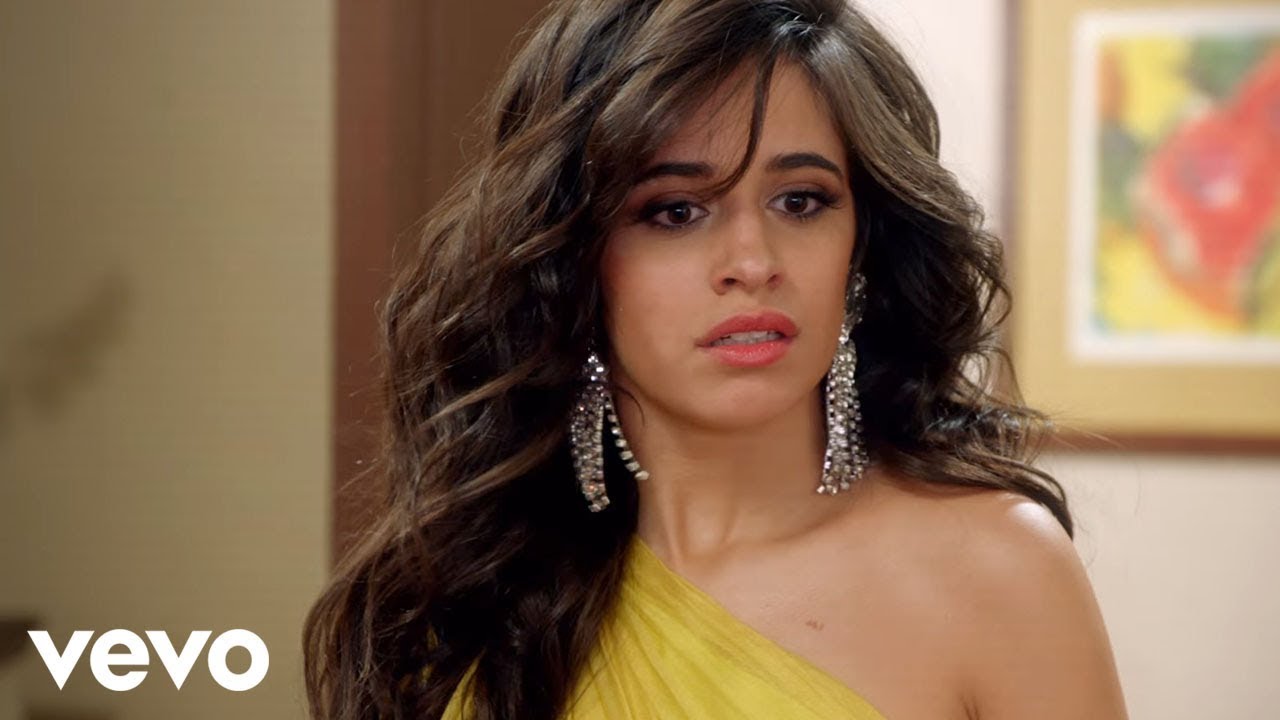


→ More from the 2020s File
View all 2020s hits →


Keep digging