The 2020s File Feature
First Man
First Man: Camila Cabello's Tribute to Her Father in 2020 "First Man" arrived in October 2020 as one of the most emotionally resonant pieces in Camila Cabell…
01 The Story
First Man: Camila Cabello's Tribute to Her Father in 2020
"First Man" arrived in October 2020 as one of the most emotionally resonant pieces in Camila Cabello's catalog, a deeply personal tribute to her father that demonstrated a different dimension of her artistry from the pop hits that had driven her commercial success since leaving Fifth Harmony. The song was released as part of her second studio album Romance, released in December 2019 through Epic Records and Syco Entertainment, though "First Man" received its most concentrated attention and chart activity in 2020 when it was released as a promotional single and gained significant streaming momentum.
The track was written by Camila Cabello alongside Frank Dukes, who served as its producer. Frank Dukes had established himself as one of the more creatively distinctive producers working in pop and hip-hop, known for his ability to construct atmospheric, emotionally textured beats that gave artists space to be vulnerable. His production on "First Man" is characteristically restrained, built around piano and subtle orchestration that supports rather than competes with Cabello's vocal performance. The song's arrangement was deliberately spare, designed to prioritize the intimacy of the subject matter above commercial polish.
The subject of "First Man" is Cabello's relationship with her father, Alejandro Cabello, and specifically the complex emotions surrounding his eventual need to hand his daughter over to another man in marriage. The song imagines the moment of a wedding from the father's perspective, exploring the mixture of joy, grief, pride, and loss that attends watching a child move fully into their adult life and partnership. This was an unusual subject for a pop ballad in 2020, when the genre's emotional center was more typically romantic relationships between equals, and the choice distinguished the song from Cabello's earlier commercial output.
Camila Cabello's biography gave the song additional personal resonance. She was born in Havana, Cuba, and moved to the United States at age six, with her parents making significant sacrifices to provide her with opportunities in America. Her father's role in her upbringing and success was substantial, and "First Man" acknowledged that role with specific, sensory imagery drawn from childhood memories. The autobiographical quality of the writing gave the song a specificity that distinguishes it from more generic father-daughter sentiment.
The song performed well on the Billboard Hot 100 and resonated particularly strongly on adult contemporary radio, where emotionally direct, piano-based ballads with clear narrative content had always found receptive audiences. The timing of its promotional push in 2020 also coincided with a period when many people were separated from their families due to the COVID-19 pandemic, which intensified the song's emotional impact for listeners who were missing parents or other loved ones.
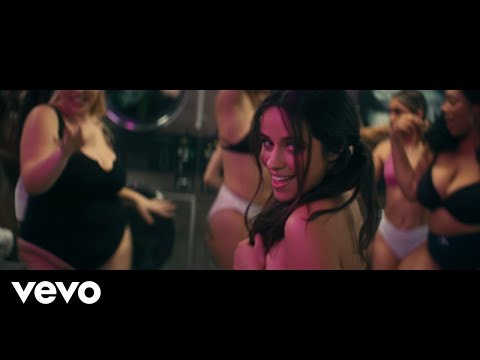
The music video for "First Man" featured real footage and imagery of Cabello's family life, including appearances by her father, which gave the song's themes additional weight and authenticity. The decision to include genuine family material rather than purely constructed narrative footage was consistent with the confessional sincerity of the song itself. The video circulated widely on social media, with many viewers reporting emotional responses that translated into streaming activity and word-of-mouth recommendation.
Within the context of Camila Cabello's album Romance, "First Man" occupied an unusual position. The album was primarily focused on romantic love, following her public relationship with Shawn Mendes, and the inclusion of a song about paternal love provided the record with an emotional register it would otherwise have lacked. That range demonstrated that Cabello's songwriting ambitions extended beyond the romantic pop narrative and that she was capable of genuine vulnerability about subjects beyond the love story that was driving her public profile at the time.
The song's live performances, including a memorable appearance that Cabello gave at an awards ceremony where her father was present in the audience, generated viral attention and introduced "First Man" to audiences who had not encountered it through radio or streaming. These performance contexts cemented the song's reputation as one of the most emotionally affecting pieces in Cabello's catalog, and it has continued to circulate in playlists and recommendations for fans seeking music that addresses parental relationships with honesty and specificity.
02 Song Meaning
The Meaning Behind "First Man": A Father's Love in the Face of Letting Go
"First Man" explores a form of parental love that pop music rarely examines with this degree of precision: the bittersweet experience of a father watching his daughter grow into an adult who will build her primary life with someone other than him. The song adopts the father's perspective rather than the daughter's, which is itself an unusual choice that gives the narrative a quality of compassionate imagination, an attempt to inhabit and honor a point of view that is not the writer's own primary vantage point but that matters enormously to her.
The emotional architecture of the song is built around the concept of succession. The father has been the "first man" in his daughter's life, the one who established the template for love, protection, and emotional security. The song contemplates the moment when that primary role is formally transferred, when a wedding ceremony makes visible what has been privately understood, that the daughter's central love relationship will now be with someone else. The grief in this transfer is real, but the song insists that it coexists with joy and pride rather than displacing them.
Camila Cabello's choice to imagine and articulate her father's perspective rather than simply describing her own feelings about him is one of the song's most sophisticated qualities. The act of imagining how one's own life looks from a parent's point of view, of inhabiting the parental experience rather than merely being the child within it, represents a form of emotional and moral growth that the song embodies in its very structure. The capacity for that imaginative empathy is itself a demonstration of the kind of love that makes the father-daughter relationship described in the song worth the grief of its evolution.
The autobiographical dimensions of the song are significant for understanding its emotional authenticity. Cabello's father made genuine sacrifices, including leaving Cuba and navigating immigration to give his daughter opportunities in America. That background of parental sacrifice and unconditional investment in a child's future gives the song's gratitude a specific historical and familial weight that readers familiar with Cabello's biography can access but that also communicates itself more generally to listeners who may not know the biographical details. The emotional truth of gratitude toward a sacrificing parent is not culturally specific, even when the specific circumstances of the sacrifice are.
The song's imagery focuses on childhood, on the specific textures of being cared for and protected by a father, and then on the imagined future moment of wedding ceremony. This temporal span, from childhood through adulthood to a future symbolic threshold, gives the song a scope that is unusual for a pop ballad. Most pop songs occupy a single emotional moment; "First Man" moves through time in a way that gives it the quality of a life story compressed into song form.
The emotional register is one of grateful love suffused with anticipatory grief, a combination that is difficult to render convincingly because it requires holding two seemingly contradictory feelings simultaneously without resolving either in favor of the other. Cabello's vocal performance navigates this difficulty with genuine skill, allowing the warmth and the sadness to coexist in the same phrases. The restraint of the production supports this emotional complexity by refusing to push the song toward easy catharsis and instead letting it sit in the more complicated emotional space where real love actually lives.
For Cabello's catalog, "First Man" represents a significant expansion of her emotional range as a writer and performer. Her commercial success had been built primarily on romantic pop, on songs about desire, longing, and the pleasures and pains of early love. "First Man" demonstrated that she was also capable of the quieter, more durable kind of emotional writing that engages with love's longer arc, the love that persists and deepens across a lifetime, the love that involves loss not as a failure but as a condition of deep attachment. That demonstration was valuable for her career trajectory and for listeners who wanted to know whether her artistry could grow beyond the particular emotional territory where she had first established herself.
→ More from Camila Cabello
View all Camila Cabello hits →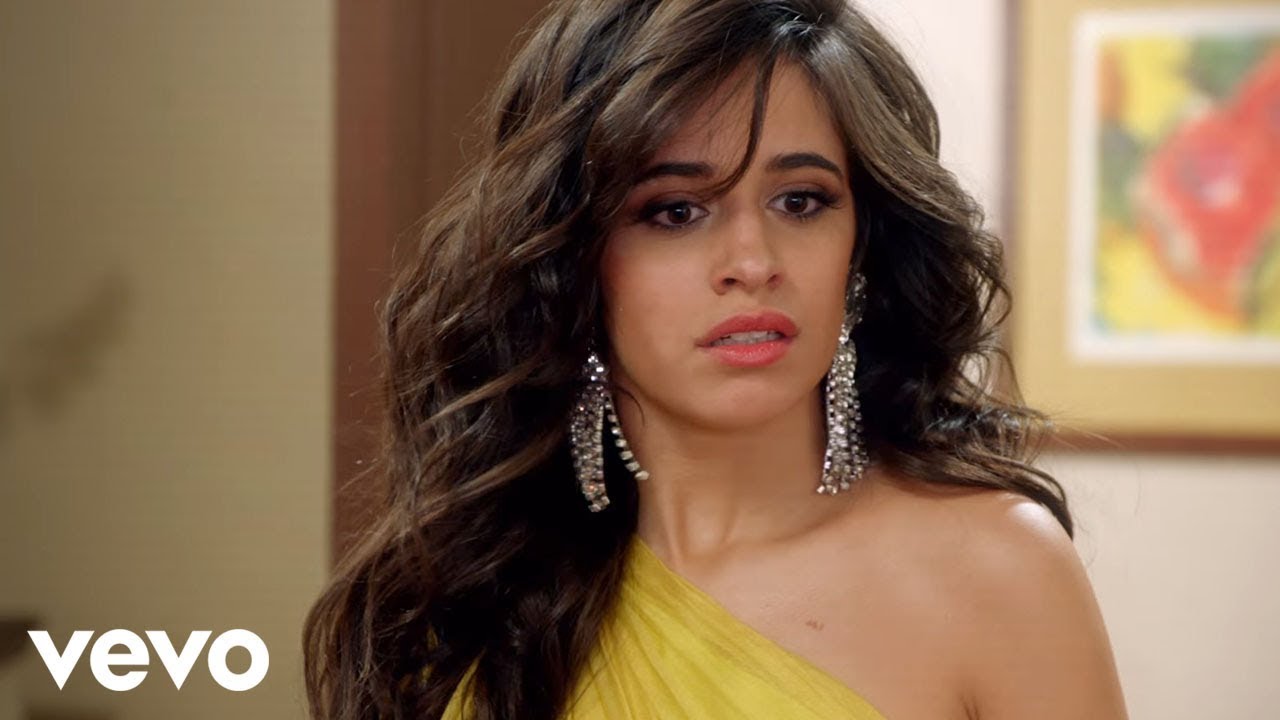
→ More from the 2020s File
View all 2020s hits →

Keep digging