The 2020s File Feature
Permission To Dance
Permission To Dance: BTS and the English-Language Anthem That Celebrated Returning Joy "Permission to Dance" by South Korean septet BTS stands as one of the …
01 The Story
Permission To Dance: BTS and the English-Language Anthem That Celebrated Returning Joy
"Permission to Dance" by South Korean septet BTS stands as one of the most deliberately optimistic and culturally significant pop singles released in 2021. Released on July 9, 2021, through HYBE Labels and Columbia Records, the track arrived as a direct follow-up to the massive success of "Butter" and was written entirely in English, continuing BTS's strategic engagement with the American and international English-language market that had accelerated dramatically with "Dynamite" in 2020. The song's themes of joy, liberation, and communal celebration connected to a specific cultural moment when vaccines were becoming widely available and the prospect of returning to normal life felt newly plausible.
The composition of "Permission to Dance" involved a creative team that included Ed Sheeran, Johnny McDaid, Steve Mac, and Jenna Andrews, with Steve Mac handling production duties. Sheeran's songwriting involvement was disclosed during the promotional period and generated considerable attention, as the British singer-songwriter was one of the most commercially successful solo artists of the preceding decade. His fingerprints on the track's structure and melodic character were discussed extensively by music journalists and fans alike, with the song's anthemic, arena-ready quality being attributed in part to his songwriting sensibility.
The track debuted at number one on the Billboard Hot 100 on the chart dated July 24, 2021, making BTS the first group since The Beatles to have consecutive number-one debuts on the Hot 100 with "Butter" and then "Permission to Dance." This remarkable achievement placed BTS in a historical category that underscored the extraordinary nature of their commercial success in the American market. The Beatles comparison, which would have seemed hyperbolic in a different context, was supported by verifiable chart data and became one of the most frequently cited data points in coverage of the group's American success.
The song was included on the special album "Butter," released to capitalize on the commercial momentum of both "Butter" and "Permission to Dance." Its inclusion allowed the group to package their two English-language summer 2021 singles for physical and digital formats, extending the commercial life of both tracks and providing additional sales and streaming data that reinforced their chart dominance. Physical album sales from the dedicated BTS fanbase known as ARMY contributed meaningfully to first-week performance metrics.
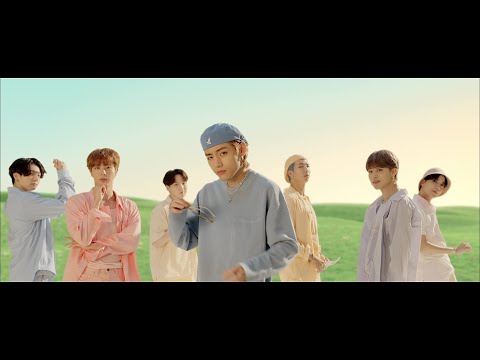
The music video for "Permission to Dance" was a visually distinctive production that incorporated elements of American Sign Language, using gestures for "joy," "dance," and "peace" as visual motifs throughout. This decision to integrate ASL into the choreography and visual language of the video was widely praised as an inclusive gesture, making the song legible and participatory for deaf and hard-of-hearing viewers in a way that most pop videos do not consider. The gesture was discussed approvingly in accessibility advocacy communities and generated positive media coverage beyond the typical entertainment press.
The cultural context of "Permission to Dance" is essential to understanding its reception. Released in the summer of 2021, when pandemic restrictions were being lifted in many countries and live entertainment was beginning to return, the song's explicit celebration of dancing and togetherness arrived at precisely the moment when such themes were most emotionally charged. Lines celebrating freedom of movement and communal joy landed differently in a world that had spent over a year with those freedoms curtailed. BTS and their collaborators made an astute creative decision in producing a song whose optimism felt earned rather than naive given the circumstances.
The United Nations General Assembly performance in September 2021 connected "Permission to Dance" to one of the most significant institutional stages in the world. BTS performed at the UN as part of a broader engagement with SDG Moment, an initiative connected to the Sustainable Development Goals. Their performance of "Permission to Dance" at the UN, followed by remarks addressing youth and the future, was widely covered internationally and added a dimension of global civic relevance to what might otherwise have been understood as a straightforward pop release.
Critical reception acknowledged the deliberate optimism of the track while also noting its craftsmanship. Reviews highlighted the way the song's anthemic chorus, built for stadium singalongs, balanced simplicity with genuine melodic appeal. Some reviewers noted that Ed Sheeran's songwriting contributions were detectable in the track's structure, pointing to the bridge and the way the pre-chorus built toward the payoff. The production by Steve Mac, known for work with artists including Kelly Clarkson and Robbie Williams, gave the track a polished, international quality that distinguished it from more experimentally produced K-pop releases.
BTS's achievement of consecutive number-one Hot 100 debuts was placed in historical context by chart analysts who noted how rare it is for any artist, let alone a group, to achieve that feat. The fact that BTS accomplished it as a non-English-language act whose primary recordings were in Korean made the achievement even more statistically improbable. "Permission to Dance" and "Butter" together formed a paired commercial argument for the group's capacity to compete directly with any artist on any chart, regardless of language or origin.
The song's use of International Sign Language gestures in the choreography was extended into live performances and fan interaction, with BTS teaching fans the gestures during concert events and encouraging their use as a shared participatory element of the concert experience. This integration of accessible communication into the physical language of the performance demonstrated a thoughtfulness about audience inclusion that went beyond typical pop video production decisions.
02 Song Meaning
Permission To Dance: Joy as Resistance and the Collective Act of Choosing to Celebrate
"Permission to Dance" operates as a song about the radical act of allowing yourself to experience joy. The title's phrasing is itself meaningful: asking for "permission" implies that there exists some authority or set of circumstances that might withhold it. The song's assertion is that no such permission is required, that the human impulse to move, to celebrate, to express joy through the body is not contingent on external approval. This seemingly simple message carried unusual emotional weight when the song was released in the summer of 2021, a period when many people were beginning to reclaim forms of social pleasure that had been prohibited or curtailed by pandemic restrictions.
The song's co-writer Ed Sheeran has spoken about the track as being written during a period when people were longing for normalcy and the return of communal experience. This creative context shaped the song's emotional architecture, which is built around the specific feeling of relief, the particular quality of joy that comes not from routine pleasure but from the recovery of something previously lost. Dancing in the song is not simply entertainment; it is a metaphor for the broader reclamation of life, connection, and agency.
BTS's position as a group that has consistently addressed their audience with messages of self-acceptance and perseverance gives "Permission to Dance" an additional layer of meaning within their broader artistic project. The group's earlier work, including their "Love Yourself" campaign series, established a framework in which self-love and the refusal to be defined by external judgment were central themes. "Permission to Dance" extends this framework into a more communal register, suggesting that the permission to be joyful is something people can give to one another as well as to themselves.
The incorporation of International Sign Language gestures for "joy," "dance," and "peace" into the choreography is a meaningful extension of the song's thematic content. The decision to include accessible communication within the visual and physical language of the performance is a statement about who the song is for. By building ASL gestures into the choreography that fans could learn and replicate, BTS created a shared physical vocabulary that crossed the boundary between hearing and non-hearing audiences. The gesture toward inclusion is consistent with the song's broader message about collective celebration without preconditions.
The setting of the music video, which cycles through a variety of public spaces including streets, parks, and communal areas, reinforces the idea that the joy being celebrated is not private but communal. Dancing in the video is not a solo or intimate act; it is something that happens in shared spaces, that spreads from person to person, that is inherently social. The visual grammar of the video makes the argument that joy is contagious in the best sense, that choosing to celebrate openly invites others to do the same.
The song's relationship to BTS's specific cultural position as a South Korean group singing in English on one of the world's largest stages at the United Nations is also part of its meaning. The performance of "Permission to Dance" at the UN General Assembly in September 2021 placed the song in dialogue with global concerns about youth, the future, and the possibility of positive collective action. In that context, the song's message about allowing oneself to experience joy and movement became connected to a broader argument about the importance of hope and human connection as preconditions for addressing the world's challenges.
There is something philosophically serious embedded in the song's seemingly simple premise. The question of who grants permission, and the assertion that no permission is needed, touches on issues of autonomy, authority, and the social conditions under which human beings allow themselves to experience pleasure and freedom. In many cultural contexts, joy and celebration are treated as rewards, things to be earned after sufficient hardship or productivity. "Permission to Dance" pushes back against this transactional understanding of pleasure, asserting instead that joy is a birthright rather than a prize.
The song's ending, which transitions from major-key celebration into something that feels like a genuine emotional resolution, suggests that the freedom being claimed is not merely momentary but lasting. The song does not simply promise a good night of dancing; it gestures toward a more permanent reclamation of the right to be present, to be joyful, and to move through the world with lightness. That aspiration, communicated through melody and rhythm as much as through language, is what allowed "Permission to Dance" to connect with listeners across multiple cultures and circumstances.
→ More from the 2020s File
View all 2020s hits →


Keep digging