The 2020s File Feature
Thug Love
Thug Love — A Boogie Wit da Hoodie New York Hunger in the Streaming Era Picture the Bronx in the late 2010s, a borough that had always fed hip-hop's hungries…
01 The Story
Thug Love — A Boogie Wit da Hoodie
New York Hunger in the Streaming Era
Picture the Bronx in the late 2010s, a borough that had always fed hip-hop's hungriest voices. By 2020, the streaming landscape had fundamentally shifted how rap artists broke through, and few understood that dynamic better than Julius Dubose, known professionally as A Boogie Wit da Hoodie. He had built a loyal following through a melodic, introspective style that blended trap production with the emotional directness of R&B, and his dedicated fanbase turned every project launch into a chart event almost by default.
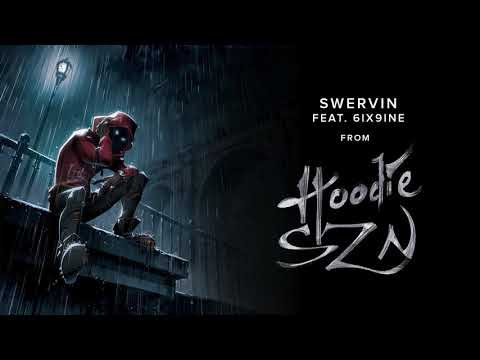
A Boogie had already demonstrated serious commercial muscle before "Thug Love" arrived. His 2018 album Hoodie SZN debuted at number one on the Billboard 200, making him one of the most streamed artists of that year. That success set enormous expectations for whatever came next, and the Bronx rapper worked to satisfy a fanbase that consumed new material at a relentless pace.
The Making of the Track
"Thug Love" arrived as part of Artist 2.0, A Boogie's third studio album released in February 2020. The project as a whole reflected a rapper comfortable with his own identity, leaning into the melodic trap sound that had defined his career while pushing its emotional range further. The track pairs a smooth, atmospheric production bed with the kind of vulnerable romanticism that A Boogie had made his signature. Where many of his contemporaries defaulted to aggression or braggadocio, he returned consistently to themes of loyalty, longing, and the tension between street life and genuine affection.
The album benefited from a precise release strategy. February 2020 was a competitive moment on the charts, with streaming numbers already reflecting a year that would become historically disruptive. Artist 2.0 landed as listeners were spending more time at home and more time with their headphones in, conditions that amplified the kind of introspective, melodic rap A Boogie excelled at.
A Brief but Real Chart Moment
"Thug Love" debuted on the Billboard Hot 100 on February 29, 2020, entering at position 73. It charted for one week, a pattern common to deep album cuts from major artists whose project-wide streaming impact sends multiple tracks onto the chart simultaneously upon release. The song's chart placement was less a measure of single-track dominance and more an indicator of how thoroughly A Boogie's fanbase engaged with the full album. Artist 2.0 itself debuted at number one on the Billboard 200, demonstrating the breadth of that support.
9.4 million YouTube views accumulated over subsequent years, a number that underscores the track's durable appeal within the A Boogie catalog even if its chart life was brief. Melodic trap, more than almost any other subgenre, generates playlist and algorithmic longevity well past initial release windows.
A Boogie's Place in New York's Melodic Rap Movement
To understand "Thug Love" properly, you have to understand A Boogie's role in a larger shift in New York rap. The mid-2010s had seen the Bronx and broader New York scene grapple with how to stay relevant in a streaming world that initially seemed to favor Atlanta's trap sound above all else. Artists like A Boogie, Lil Uzi Vert (from Philadelphia but deeply connected to the same melodic wave), and PnB Rock introduced a template that acknowledged hip-hop's emotional range rather than suppressing it.
A Boogie's voice, nasal and melodic with a tendency to slide between singing and rapping, became a defining sound of that era. "Thug Love" captures that quality at something close to its purest: a track about romantic loyalty delivered with the same intensity that street anthems once reserved for territorial declarations. It was a tonal shift that younger New York artists had been building toward for several years.
Legacy Within the Artist 2.0 Era
Albums like Artist 2.0 represent a particular moment in hip-hop economy, where an artist's total streaming presence across an entire record matters more than the performance of any individual single. "Thug Love" belongs to that framework. It is a piece of a larger whole, a track that fills a specific emotional slot within an album designed to cover extensive emotional and sonic ground. Its modest chart appearance reflects not the limits of the song but the nature of how streaming-era fanbases consume music: all at once, in album mode, with favorite tracks cycling through personal playlists for months after the initial release week.
A Boogie Wit da Hoodie's catalog, taken as a whole, represents a sustained argument that New York rap could adapt to melodic sensibilities without losing its authenticity. "Thug Love" is a small but genuine piece of that argument.
If you have not given it a proper listen, the track rewards patience. Put it on, let the production breathe, and hear what a Bronx artist at full confidence sounds like when he sets ambition aside and simply feels something.
"Thug Love" — A Boogie Wit da Hoodie's singular moment on the 2020s charts.
02 Song Meaning
Thug Love — Meaning, Themes, and Emotional Resonance
The Central Tension: Street Identity Meets Romantic Devotion
At its core, "Thug Love" works through a tension that runs through much of A Boogie Wit da Hoodie's catalog: the desire to project toughness while acknowledging genuine emotional vulnerability. The phrase "thug love" as a concept had existed in hip-hop culture for decades before A Boogie claimed it, describing a kind of affection that does not soften a person's street credentials but instead frames romantic loyalty as its own form of strength. A Boogie makes that framework feel personal and immediate, grounding abstract romanticism in something that feels lived-in rather than performed.
Loyalty as the Dominant Theme
The track's lyrical content circles around themes of loyalty and trust within a romantic relationship, particularly the idea that real love survives the pressures that street life or public scrutiny create. This was a recurring concern in A Boogie's music around this period. Artist 2.0 as an album grappled openly with the strains that fame and the environment of a public-facing music career place on personal relationships. "Thug Love" addresses the version of devotion that says: the world may complicate things, but the connection between two people can hold regardless.
The emotional register is quietly confident rather than desperate or pleading. A Boogie does not beg; he asserts. The lyrical stance assumes that the affection expressed is reciprocal, which gives the song a warmth that more anxious romantic tracks often lack.
The Cultural Context of Melodic Trap Romance
By 2020, melodic trap had made romantic vulnerability a commercially viable lane for male rap artists in a way that would have seemed unlikely ten years earlier. Artists were expected to balance toughness with openness, and listeners rewarded authenticity in that balancing act. A Boogie's approach to romantic subjects was not novelty or vulnerability for its own sake; it was a consistent artistic position that his audience had embraced from the beginning of his career.
The broader cultural moment mattered too. Early 2020 arrived just before the world changed dramatically, and music that centered on personal connection and emotional intimacy would prove to resonate deeply as listeners retreated inward. Tracks like "Thug Love" fit the moment without having been designed for it, which is often how the most durable music works.
Why It Connected with Listeners
A Boogie's melodic delivery is a significant part of why this kind of material reaches listeners as effectively as it does. His voice carries an inherent sincerity; he sounds like someone who means what he is saying rather than someone performing a role. That quality of felt conviction is difficult to manufacture and impossible to fake consistently across an entire album. "Thug Love" benefits from it because the romantic content asks for exactly that kind of authenticity.
The production supports the emotional content by creating space around A Boogie's vocals rather than overwhelming them. The atmosphere is cool and intimate, the kind of sonic environment that makes a listener feel like a song was made for a private moment. That sense of intimacy is a deliberate and effective creative choice.
Place in A Boogie's Artistic Statement
Understanding "Thug Love" fully requires placing it within Artist 2.0's larger argument. The album's title itself signals self-awareness: A Boogie was identifying himself as a defined creative entity, not a work in progress. "Thug Love" fits that framing by showing an artist completely at ease with a particular emotional register. It is not straining for an effect; it is simply doing what this artist does at a high level. That confidence is the track's deepest meaning, a statement that romantic directness and street credibility are not opposites but simply different facets of a complete person.
→ More from A Boogie Wit da Hoodie
View all A Boogie Wit da Hoodie hits →

→ More from the 2020s File
View all 2020s hits →


Keep digging