The 2010s File Feature
Make A Movie
Creation, Recording, and Chart History of "Make a Movie" "Make a Movie" is a track by Chicago-based rapper Twista featuring singer Chris Brown, released in 2…
01 The Story
Creation, Recording, and Chart History of "Make a Movie"
"Make a Movie" is a track by Chicago-based rapper Twista featuring singer Chris Brown, released in 2010. The song appeared on Twista's eighth studio album, The Perfect Storm, which was issued through Atlantic Records. The album represented a continuation of Twista's presence on major-label rap radio, though it arrived at a point when the landscape of mainstream hip-hop was shifting rapidly toward younger acts and new sonic trends. Twista had long been recognized for his rapid-fire delivery, which earned him a Guinness World Record for the fastest rap in 1992, and The Perfect Storm sought to pair that technique with contemporary production and high-profile collaborators.
The production on "Make a Movie" was crafted to suit both Twista's technical performance style and Chris Brown's melodic abilities. The track opens with a smooth, mid-tempo R&B beat that provides a foundation for Brown's sung hook, while Twista's verses demonstrate his characteristic rhythmic density. The arrangement draws from late-2000s urban pop-R&B conventions, featuring synthesized chords, programmed drums, and a production aesthetic common to radio-friendly hip-hop of the period. The contrast between Twista's rapid delivery and Brown's melodic passages was a deliberate structural choice, creating sonic variety across the track's runtime.
Chris Brown was among the most commercially active recording artists in the industry at the time of the collaboration. Despite significant personal controversy following a 2009 incident that resulted in criminal charges, Brown had continued to record and release music, and his presence on a track remained a commercial asset. His participation on "Make a Movie" was part of a broader pattern in which he contributed guest vocals to numerous hip-hop and R&B releases during this period, maintaining his commercial profile across multiple album cycles and artists' projects.
Twista had been a consistent presence on the Billboard Hot 100 since his commercial breakthrough in 2004, when "Slow Jamz" with Kanye West and Jamie Foxx reached number one. Subsequent chart appearances, including "Sunshine" and "Overnight Celebrity," had established him as a dependable commercial rapper with crossover potential. "Make a Movie" was intended to sustain that commercial momentum by pairing him with one of the era's most recognizable vocal talents.
The song debuted on the Billboard Hot 100 on the chart dated November 27, 2010, at position 94. Its early chart movement was steady but modest, reaching positions of 91 and then 96 before recovering to 91 again. By the week of December 25, 2010, the track had climbed to number 80. The song continued its upward movement in the new year, eventually peaking at number 71 on the chart dated January 1, 2011. It spent a total of 14 weeks on the Hot 100, a respectable run for an album track with limited traditional promotional infrastructure behind it.
The commercial trajectory of "Make a Movie" reflected the pattern typical of R&B-adjacent rap collaborations during this era: a slow build driven by radio play in urban and rhythmic formats, followed by a gradual crossover to mainstream pop audiences. The 14-week chart run demonstrated consistent audience engagement, even if the song never broke into the chart's upper reaches. Radio play data contributed significantly to its Hot 100 performance, as streaming was still in its early stages as a commercial metric at this point in Billboard's methodology.
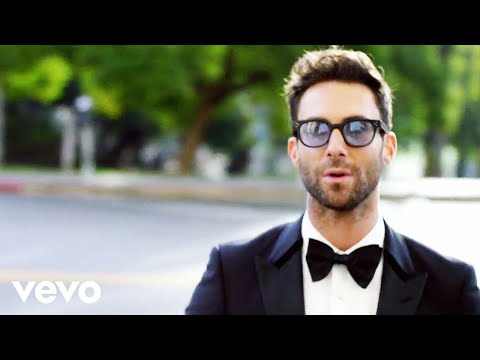
The music video for "Make a Movie" supported the track's promotional campaign and received rotation on music video channels. The visual played into the song's thematic content, presenting a glamorized romantic scenario consistent with the contemporary conventions of the urban video format. Chris Brown's visual presence was a significant element of the video's promotional value, given his established popularity as a performer whose image was central to his commercial appeal.
The Perfect Storm as an album received moderate critical attention and commercial performance, with "Make a Movie" serving as one of its most successful individual tracks. The song's chart performance placed it among the stronger singles from the album cycle and helped sustain Twista's radio presence at a moment when long-established rap acts were facing increased competition from emerging artists with newer sonic identities.
02 Song Meaning
Themes and Meaning of "Make a Movie"
"Make a Movie" is a romantic and sensual track built around the metaphor of cinematic fantasy. The song's central conceit frames a romantic encounter as a scene worthy of being captured on film, using the language of moviemaking to describe attraction, desire, and the heightened emotional experience of being with someone whose presence feels extraordinary. The metaphor functions both literally and figuratively: it describes the visual appeal of the subject and simultaneously elevates the romantic moment to the status of an artistic or cultural event worth preserving.
The track divides its thematic content between Twista's rapid-fire verses and Chris Brown's melodic hook. Brown's contributions establish the emotional tone of the song, expressing admiration for a romantic interest in terms that blend the physical and the aspirational. The image of making a movie serves as shorthand for wanting to capture and preserve something beautiful, transforming what might otherwise be a straightforward romantic encounter into something cinematic and significant. This kind of elevated framing is a common convention in contemporary R&B and hip-hop, where romantic desire is often expressed through imagery drawn from luxury, spectacle, and visual culture.
Twista's verses operate within this framework but bring additional layers of bravado and verbal complexity. His characteristic rapid delivery itself becomes part of the track's meaning: the density and speed of his flow communicate urgency and intensity, which complement the emotional register established by the hook. The contrast between his verses and Brown's sung sections mirrors the contrast between the internal experience of desire and its outward, more composed expression.
The track belongs to a tradition of hip-hop and R&B songs that use filmmaking imagery as a vehicle for romantic and sexual expression. By framing the romantic encounter as a "movie," the song positions its narrator as both participant and director, someone who not only experiences the moment but actively shapes and appreciates its aesthetic dimensions. This self-awareness about spectacle is consistent with a broader cultural tendency in early-2010s urban music to merge romantic expression with references to fame, visual media, and celebrity culture.
Commercially and culturally, "Make a Movie" occupied the mainstream space of feel-good urban radio. It was not designed as a politically charged or formally experimental work; its ambitions were primarily entertainment-oriented, offering an appealing, well-crafted piece of radio pop with strong melodic hooks and technically impressive rapping. In that context, the song's thematic simplicity is a feature rather than a limitation: it achieves its stated goal of creating an enjoyable, replayable romantic track that works across a range of listening contexts.
The song also reflects the commercial dynamics of the collaboration itself. Pairing Twista's technical credibility in hip-hop with Chris Brown's mainstream pop appeal allowed the track to speak to multiple audiences simultaneously. The romantic themes are universal enough to attract listeners who might not otherwise follow either artist closely, while the specificity of each performer's style gives the song a distinctive texture that prevents it from being simply generic. The result is a track that functions effectively as popular entertainment while demonstrating genuine craft in its construction.
→ More from the 2010s File
View all 2010s hits →



Keep digging